




6 min read
Accra has always been a city of movement, ambition, and reinvention. In 2026, that energy is being channelled more deliberately through a new generation of entrepreneurs redefining how business is built, scaled, and sustained in Ghana’s capital. These emerging entrepreneurs are not only responding to market gaps but are actively reshaping consumer behaviour, employment patterns, and the city’s economic narrative.
The story of Accra’s entrepreneurial rise is not centred on overnight success or viral moments. Instead, it is rooted in persistence, adaptability, and a deep understanding of local realities. From technology and agribusiness to creative industries, logistics, and financial services, Accra’s emerging entrepreneurs reflect a broader shift toward sustainable, locally grounded innovation.
Key Takeaways
- These emerging entrepreneurs are not only responding to market gaps but are actively reshaping consumer behaviour, employment patterns, and the city’s economic narrative.
- From technology and agribusiness to creative industries, logistics, and financial services, Accra’s emerging entrepreneurs reflect a broader shift toward sustainable, locally grounded innovation.
- Rather than building platforms that merely replicate global tech models, emerging entrepreneurs are solving distinctly Accra-based problems.
The New Entrepreneurial Identity in Accra
Unlike previous generations that often looked outward for validation or expansion, today’s Accra-based entrepreneurs are building with the city itself as their primary market. They understand the nuances of urban life in Accra—traffic congestion, informal trade networks, youth unemployment, digital adoption, and purchasing power variability—and design solutions around these realities.
In 2026, the emerging entrepreneur in Accra is defined less by access to capital and more by access to insight. Business models are leaner, customer-centric, and built for resilience. Entrepreneurs are prioritising cash flow sustainability, community trust, and long-term relevance over rapid but fragile growth.
This shift has produced a class of founders who are comfortable operating at the intersection of formality and informality, digital and physical commerce, and local and global standards.
Technology-Driven Enterprises Leading the Way
Technology continues to play a central role in Accra’s entrepreneurial ecosystem, but the focus has evolved. Rather than building platforms that merely replicate global tech models, emerging entrepreneurs are solving distinctly Accra-based problems.
Digital payment solutions tailored for informal traders, logistics platforms optimised for congested urban routes, and service marketplaces designed for reliability and trust are among the most visible examples. These businesses succeed not because they are technologically complex, but because they are contextually intelligent.
In 2026, Accra’s tech entrepreneurs are also increasingly collaborative. Shared workspaces, startup hubs, and innovation communities across East Legon, Osu, Spintex, and Cantonments have fostered knowledge exchange and partnerships that strengthen the overall ecosystem.
Creative and Cultural Entrepreneurship on the Rise
Accra’s cultural influence across Africa has become a powerful economic asset. Emerging entrepreneurs in fashion, music, film, design, and digital media are transforming creativity into structured, revenue-generating enterprises.
What distinguishes this generation is their business discipline. Creatives are no longer relying solely on talent; they are investing in branding, intellectual property protection, distribution strategies, and audience analytics. Fashion entrepreneurs are building export-ready brands, filmmakers are leveraging streaming platforms, and digital creators are monetising content through diversified income streams.

This cultural entrepreneurship contributes not only to economic growth but also to Accra’s global identity, positioning the city as a hub of African innovation and expression.
Agribusiness and Food Innovation Within the City
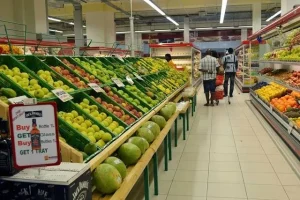
While agribusiness is often associated with rural regions, emerging entrepreneurs in Accra are redefining its role within the urban economy. Food processing, urban farming, cold-chain logistics, and branded food products have become significant areas of innovation.

These entrepreneurs address food security, quality control, and supply chain inefficiencies while creating employment opportunities across the value chain. By integrating technology and branding into traditional food systems, they elevate local products to compete in premium markets.
In 2026, food-based enterprises in Accra are no longer informal sidelines. They are structured businesses with traceable supply chains, standardised production, and growing consumer trust.
Financial Innovation and Business Services
Access to finance remains a challenge, but emerging entrepreneurs are responding with creativity rather than complaint. Financial technology startups, cooperative savings models, and alternative credit platforms are expanding financial inclusion for small businesses and individuals.
Beyond fintech, professional services tailored to startups—such as accounting, legal support, branding, and digital marketing—are also on the rise. These service-based entrepreneurs play a critical role in strengthening the wider business ecosystem by enabling other businesses to scale responsibly.
This interconnected growth reflects a maturing entrepreneurial environment where success is increasingly collective rather than isolated.
Women and Youth Driving Entrepreneurial Momentum
Women and young people remain at the centre of Accra’s entrepreneurial story in 2026. Female-led enterprises are particularly visible in retail, wellness, education, and creative industries, while youth-led startups dominate digital services and innovation-driven sectors.
These entrepreneurs face structural challenges, including limited access to funding and mentorship, yet continue to thrive through networks, community support, and digital exposure. Their success challenges traditional business hierarchies and expands the definition of leadership within Accra’s economy.
The Role of Policy, Infrastructure, and Ecosystem Support
While entrepreneurship in Accra is largely driven by individual initiative, ecosystem support has become increasingly important. Business associations, incubators, accelerators, and public-private partnerships provide training, exposure, and market access.
Infrastructure improvements, digital connectivity, and regulatory reforms—though uneven—have contributed to a more enabling environment. Entrepreneurs who understand how to navigate policy frameworks and compliance requirements gain a competitive advantage in 2026.
Building for Longevity, Not Hype
Perhaps the most defining trait of Accra’s top emerging entrepreneurs in 2026 is their focus on longevity. These founders are less interested in hype and more committed to building businesses that can withstand economic cycles, currency fluctuations, and shifting consumer behaviour.

They invest in systems, people, and governance. They document processes, prioritise customer experience, and build brands anchored in trust. This long-term mindset positions Accra not just as a city of startups, but as a city of enduring enterprises.
FAQs
Who qualifies as an emerging entrepreneur in Accra?
An emerging entrepreneur is typically a business founder or owner whose enterprise is in its early to growth stages and demonstrates strong potential for scalability, innovation, and long-term impact within Accra’s economy.
Which sectors are producing the most emerging entrepreneurs in Accra?
Key sectors include technology, creative industries, agribusiness, food processing, logistics, financial services, and professional business services.
Why is Accra important to Ghana’s entrepreneurial growth?
As Ghana’s capital and largest commercial centre, Accra offers access to markets, talent, infrastructure, and networks that are critical for business growth and innovation.
What challenges do emerging entrepreneurs in Accra face?
Common challenges include access to finance, regulatory compliance, infrastructure gaps, market competition, and economic volatility.
How are emerging entrepreneurs shaping Accra’s future?
They are creating jobs, improving service delivery, introducing innovative solutions, and strengthening the city’s position as a regional business and cultural hub.
Source: ASJ
Last Updated on February 6, 2026 by Samuel Kwame Boadu
Disclaimer: Some content on Accra Street Journal may be aggregated, summarized, or edited from third-party sources for informational purposes. Images and media are used under fair use or royalty-free licenses. Accra Street Journal is a subsidiary of SamBoad Publishing Hub under SamBoad Business Group Ltd, registered in Ghana since 2014.
For concerns or inquiries, please visit our Privacy Policy or Contact Page.

Samuel Kwame Boadu is a Ghanaian media entrepreneur and storyteller with a passion for amplifying urban voices and uncovering everyday truths. He is the Editor-in-Chief and Founder of Accra Street Journal, a dynamic digital platform dedicated to capturing the pulse of Ghana’s capital—its people, culture, challenges, business, sports and innovations.
Use the following reference when citing or referencing this article.
Your feedback helps us improve our journalism.
Report an Error
Help us maintain accuracy. Let our editorial team know if you spot an issue in this article.
Report a problem with this article