








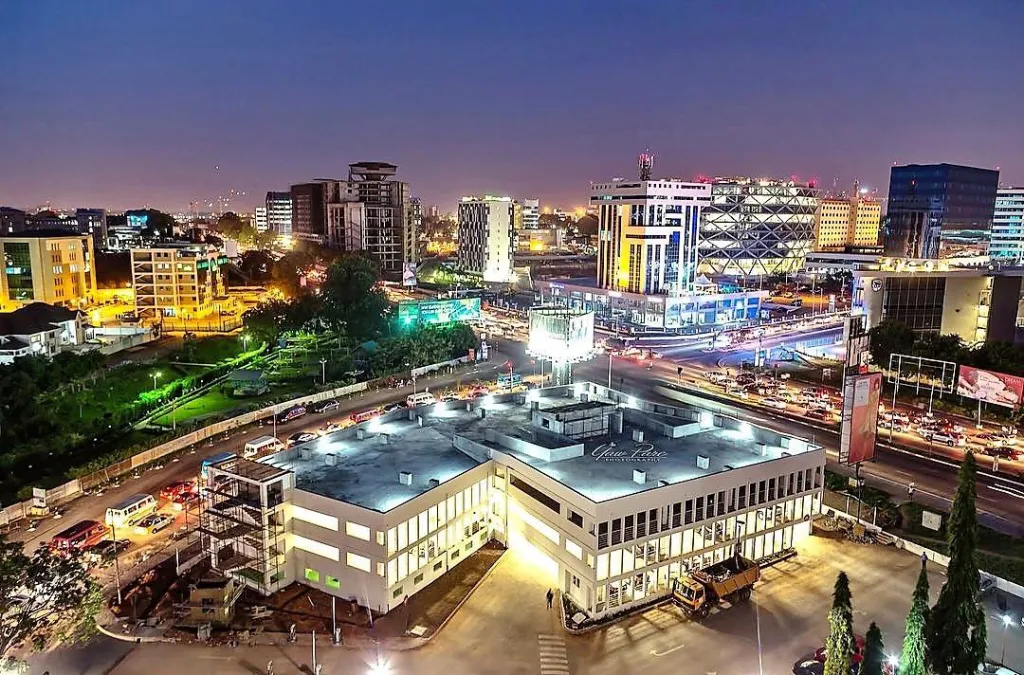
Accra’s economy does not move at a constant pace throughout the year.
There are periods when businesses experience intense sales spikes — festive seasons, school reopening months, major holidays, and election cycles. Then there are slower months when customer spending tightens and foot traffic drops.

For businesses operating in Ghana’s capital, managing seasonal demand is not optional. It is a survival skill.
📢 GET A DETAILED ARTICLES + JOBS
Join ASJ's WhatsApp Channel and never miss a post or opportunity.

From retail shops and restaurants to event planners, logistics companies, and market traders, Accra-based businesses have developed flexible systems to handle both boom and slow periods.
Understanding how they do it reveals the deeper mechanics of urban commerce in Ghana.

1. Understanding Accra’s Seasonal Patterns
Seasonal demand in Accra typically revolves around predictable cycles:
-
Christmas and New Year festivities
-
Easter holidays
-
Back-to-school periods
-
Wedding and event seasons
-
Election years
-
Mid-year and end-of-year bonuses
During these periods, spending rises significantly. Consumers are more willing to spend on food, fashion, electronics, décor, travel, and entertainment.
In contrast, early-year months and post-festive periods often bring tighter budgets and reduced discretionary spending.
Businesses that fail to anticipate these cycles often struggle with inventory mismanagement and cash flow instability.
2. Inventory Planning and Stock Adjustment
One of the most important tools businesses use is inventory forecasting.
During peak seasons:
-
Retailers increase stock levels.
-
Importers place larger orders months in advance.
-
Supermarkets expand high-demand product categories.
-
Restaurants increase supply of fast-moving ingredients.
During slower months:
-
Stock orders are reduced.
-
Perishable goods are minimized.
-
Promotions are introduced to clear excess inventory.
This flexibility prevents overstocking during slow periods and shortages during high demand.
Accra’s retail ecosystem depends heavily on anticipating what customers will want — and when they will want it.

3. Flexible Staffing Strategies
Seasonal spikes require more hands.
Many businesses in Accra:
-
Hire temporary workers during festive periods.
-
Increase shifts during busy weeks.
-
Engage contract staff for events and promotions.
After peak seasons:
-
Staffing levels are reduced.
-
Temporary contracts end.
-
Overtime hours decrease.
This approach helps manage payroll costs without permanently expanding overhead.
In sectors like hospitality and events, flexible staffing is central to staying profitable.
4. Pricing Adjustments
Seasonal demand often influences pricing.
During high-demand periods:
-
Prices may increase due to supply pressure.
-
Premium packages are introduced.
-
Limited-time products are marketed as exclusive.
During slow seasons:
-
Discounts are offered.
-
Bundled promotions appear.
-
Loyalty incentives are introduced.
Dynamic pricing allows businesses to maximize revenue during peaks while stimulating sales during downturns.
5. Cash Flow Management
Seasonal income fluctuations require strong financial discipline.
Businesses in Accra often:
-
Save aggressively during peak months.
-
Create buffer funds for slow periods.
-
Avoid large expansions immediately after a good season.
Poor cash flow planning is one of the main reasons small businesses collapse after festive highs.
Smart operators understand that high revenue months must support weaker ones.
6. Marketing Strategy Shifts
Seasonal marketing plays a major role in demand management.
During peak seasons:
-
Advertising budgets increase.
-
Social media promotions intensify.
-
Influencer partnerships become more visible.
During slower periods:
-
Marketing focuses on value and affordability.
-
Engagement campaigns are prioritized.
-
Businesses strengthen brand loyalty rather than chasing volume.
Marketing in Accra often mirrors consumer mood — festive, cautious, celebratory, or restrained.
7. Product Diversification
Some businesses reduce seasonal risk by diversifying their offerings.
For example:
-
Event planners expand into corporate services during off-wedding months.
-
Restaurants introduce affordable lunch specials during slow weeks.
-
Fashion retailers stock everyday basics alongside festive collections.
Diversification stabilizes revenue and reduces dependency on one seasonal spike.
8. Managing Supply Chain Risks
Seasonal demand can strain supply chains.
Import delays, currency fluctuations, and shipping costs can affect stock availability during peak times.
To manage this, businesses:
-
Order early.
-
Build supplier relationships.
-
Keep backup suppliers.
-
Monitor exchange rate trends.
Preparation months ahead often determines success during high-demand seasons.
9. Adapting to Economic Conditions
Seasonality in Accra is also influenced by macroeconomic factors such as inflation and currency shifts.
During inflationary periods:
-
Consumers prioritize essentials.
-
Luxury spending declines.
-
Businesses adjust product mix accordingly.
Understanding economic climate helps businesses refine seasonal strategy beyond just holiday calendars.
10. Leveraging Technology
Digital tools help manage seasonal changes.
Businesses use:
-
Sales data analytics
-
Inventory management systems
-
Customer tracking software
-
Online pre-orders
Data provides insights into which products spike at certain times, helping predict future cycles more accurately.
Technology reduces guesswork.
The Risk of Poor Seasonal Planning
Without proper seasonal management, businesses face:
-
Overstock losses
-
Cash flow shortages
-
Excess staffing costs
-
Missed revenue opportunities
-
Emergency borrowing
Seasonal volatility can either strengthen or weaken a business depending on preparation.
Why Seasonal Management Matters in Accra
Accra’s economy is highly consumption-driven.
Festive spending is significant. Social events are frequent. School cycles are structured. Cultural celebrations are consistent.
Businesses that align operations with these rhythms remain competitive.
Those that ignore them struggle with unpredictability.
Seasonal management is not about reacting — it is about anticipating.
Final Thoughts From ASJ
Managing seasonal demand in Accra requires:
-
Forecasting
-
Flexibility
-
Financial discipline
-
Strategic marketing
-
Smart staffing
-
Supply chain awareness
The city’s commercial rhythm is cyclical.
Businesses that understand the cycle thrive.
Those that prepare during quiet months often dominate during busy ones.
Seasonality is not a threat — it is a predictable pattern.
And in Accra, prediction is power.
FAQs
1. What are the busiest business seasons in Accra?
Christmas, Easter, back-to-school periods, and election years typically drive strong consumer spending.
2. How do businesses prepare for festive demand?
They increase inventory, hire temporary staff, expand marketing, and secure supply chains months in advance.
3. Why do some businesses struggle after festive seasons?
Poor cash flow planning and over-expansion during peak periods often lead to financial strain during slow months.
4. How can small businesses manage seasonal income fluctuations?
By building savings during high-revenue months and diversifying products or services during slower periods.
5. Does inflation affect seasonal demand in Accra?
Yes. Inflation can reduce discretionary spending and shift consumer focus toward essential goods.
Source: Accra Street Journal
Last Updated on March 14, 2026 by Samuel Kwame Boadu
Disclaimer: Some content on Accra Street Journal may be aggregated, summarized, or edited from third-party sources for informational purposes. Images and media are used under fair use or royalty-free licenses. Accra Street Journal is a subsidiary of SamBoad Publishing Hub under SamBoad Business Group Ltd, registered in Ghana since 2014.
For concerns or inquiries, please visit our Privacy Policy or Contact Page.

Samuel Kwame Boadu is a Ghanaian media entrepreneur and storyteller with a passion for amplifying urban voices and uncovering everyday truths. He is the Editor-in-Chief and Founder of Accra Street Journal, a dynamic digital platform dedicated to capturing the pulse of Ghana’s capital—its people, culture, challenges, business, sports and innovations.