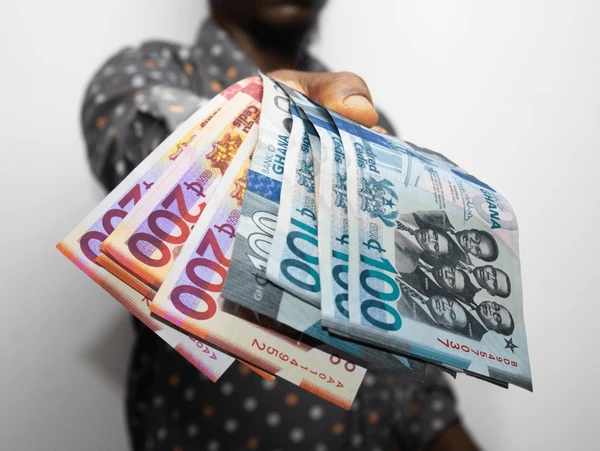
Investing in the Ghana Stock Exchange (GSE) is no longer reserved for financial experts or large institutions. Today, ordinary Ghanaians — salaried workers, entrepreneurs, students, and retirees — can participate in the country’s capital markets and grow their wealth over time. However, before buying your first shares, it is important to understand the requirements involved.
This ASJ guide breaks down everything you need to start investing on the Ghana Stock Exchange — from documentation and accounts to capital requirements and regulatory compliance.

1. A Valid Identification Document
The first requirement is proper identification. To open an investment account, you must provide:
📢 GET A DETAILED ARTICLES + JOBS
Join ASJ's WhatsApp Channel and never miss a post or opportunity.

-
Ghana Card (preferred primary ID)
-
Passport (for non-Ghanaians)
-
Driver’s license (in some cases)
The Ghana Card has become the standard identification document for financial services in Ghana. Brokers use it to verify your identity and comply with Know Your Customer (KYC) regulations.
Without proper identification, you cannot proceed with opening a trading account.

2. A Central Securities Depository (CDS) Account
Before you can buy shares, you must open a CDS account. This is a mandatory requirement.
The Central Securities Depository keeps electronic records of all securities owned by investors in Ghana. Think of it as a digital vault where your shares are stored securely.
The CDS system in Ghana is operated by the Central Securities Depository Ghana Limited.
Why You Need a CDS Account:
-
It records ownership of shares.
-
It prevents fraud and duplicate certificates.
-
It allows electronic settlement of trades.
-
It ensures transparency and regulatory oversight.
Your broker typically assists you in opening the CDS account during the onboarding process.
3. A Licensed Stockbroker
You cannot buy shares directly from the stock exchange. You must trade through a licensed broker approved by the Securities and Exchange Commission Ghana.
What a Broker Does:
-
Executes buy and sell orders on your behalf.
-
Provides market updates.
-
Advises on stock selection.
-
Handles documentation and compliance.
Some of the well-known brokerage firms in Ghana operate under banks, investment firms, or independent financial institutions.
When selecting a broker, consider:
-
Reputation
-
Fees and commissions
-
Ease of communication
-
Online trading availability
4. Minimum Capital Requirement
There is no officially fixed minimum amount required by the Ghana Stock Exchange itself. However, practical investment amounts depend on:
-
Share price of the company
-
Broker’s minimum trade size
Some shares trade below GHS 1 per share, while others trade at higher prices.

Realistically, many brokers advise starting with at least GHS 1,000 to GHS 5,000 to make investment worthwhile after fees. However, smaller amounts can still be invested depending on the stock and broker requirements.
5. Completed Account Opening Forms
You will be required to complete:
-
Brokerage account opening form
-
CDS account form
-
Risk profiling questionnaire
-
Signature specimen card
These forms assess:
-
Your risk tolerance
-
Source of funds
-
Investment objectives
-
Financial background
This process ensures compliance with financial regulations and anti-money laundering laws.
6. Bank Account Details
You must provide:
-
Bank name
-
Branch details
This account will be used for:
-
Funding your investments
-
Receiving dividends
-
Receiving proceeds from share sales
Most brokers require payments via bank transfer or cheque. Some now accept digital payment channels as Ghana’s financial system modernizes.
7. Passport-Sized Photographs
Some brokers still require physical passport-sized photos for documentation, although many are moving toward digital verification.
8. Tax Identification (TIN)
Although the Ghana Card now serves many identification purposes, some brokers may still request a Tax Identification Number (TIN), especially for corporate or institutional investors.
9. For Corporate Investors
If a company wants to invest in the Ghana Stock Exchange, additional documents are required:
-
Certificate of incorporation
-
Company regulations
-
Board resolution authorizing investment
-
Company TIN
-
Directors’ identification documents
Corporate investing requires more documentation because of governance and compliance standards.
10. Understanding the Rules and Risks
Investing requires more than documents — it requires awareness.
Before investing, you should understand:
-
Dividend policy differences
-
Capital gains potential
-
Liquidity risks
-
Long-term vs short-term investing strategies
The Ghana Stock Exchange operates under strict regulations to ensure transparency, but like all stock markets globally, returns are not guaranteed.
11. How the Process Works Step-by-Step
Here is a simplified process:
-
Choose a licensed broker.
-
Submit identification and complete forms.
-
Open a CDS account.
-
Fund your brokerage account.
-
Place your first buy order.
-
Receive trade confirmation.
-
Monitor performance and dividends.
Settlement of trades typically takes a few business days.
12. Can Non-Ghanaians Invest?
Yes. Foreign investors can invest in the Ghana Stock Exchange. However:
-
They must provide passport identification.
-
They may face currency conversion considerations.
-
Some restrictions may apply depending on regulatory guidelines.
Foreign participation has historically contributed to liquidity and market growth.
13. Digital Evolution of Investing in Ghana
The investment landscape in Ghana is gradually modernizing. Some brokerage firms now offer:
-
Email trade confirmations
-
Mobile communication channels
-
Digital dividend notifications
This shift makes investing more accessible, especially for younger and tech-savvy investors.
Why Meeting These Requirements Matters
The structured requirements serve important purposes:
-
Prevent fraud
-
Ensure legal compliance
-
Maintain market integrity
-
Promote transparency
These safeguards build confidence in Ghana’s capital market and encourage broader participation.
Frequently Asked Questions (FAQs)
1. What is the minimum amount to start investing in Ghana?
There is no fixed minimum by the exchange, but practically GHS 1,000–GHS 5,000 is often recommended depending on broker requirements and share prices.
2. Do I need a CDS account to buy shares?
Yes. A CDS account is mandatory because it holds your shares electronically.
3. Can students invest in the Ghana Stock Exchange?
Yes, provided they have valid identification and meet broker requirements.
4. How do I receive dividends?
Dividends are paid directly into the bank account linked to your brokerage profile.
5. Is investing on the Ghana Stock Exchange safe?
The market is regulated by the Securities and Exchange Commission Ghana. However, like all investments, it carries risk.
6. Can I sell my shares anytime?
Yes, provided there is a buyer in the market and liquidity is available.
7. How long does it take to open an account?
Typically between a few days to a week, depending on documentation and broker processing time.
Source: Accra Street Journal
Last Updated on March 9, 2026 by Samuel Kwame Boadu
Disclaimer: Some content on Accra Street Journal may be aggregated, summarized, or edited from third-party sources for informational purposes. Images and media are used under fair use or royalty-free licenses. Accra Street Journal is a subsidiary of SamBoad Publishing Hub under SamBoad Business Group Ltd, registered in Ghana since 2014.
For concerns or inquiries, please visit our Privacy Policy or Contact Page.

Samuel Kwame Boadu is a Ghanaian media entrepreneur and storyteller with a passion for amplifying urban voices and uncovering everyday truths. He is the Editor-in-Chief and Founder of Accra Street Journal, a dynamic digital platform dedicated to capturing the pulse of Ghana’s capital—its people, culture, challenges, business, sports and innovations.