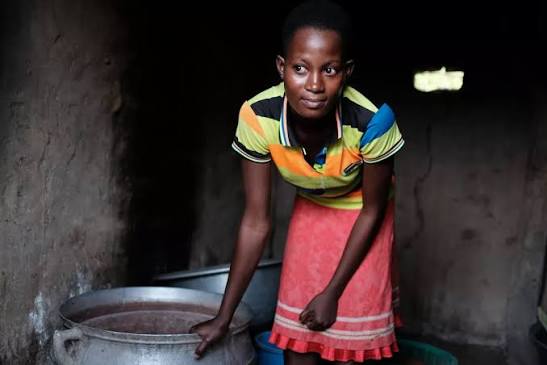
Access to reliable telecommunications services has become a fundamental driver of economic participation, financial inclusion, and social development. In Ghana, mobile connectivity now supports everyday activities ranging from communication and education to digital payments and small business operations.
While urban centres such as Accra and Kumasi enjoy relatively strong network infrastructure, extending telecommunications services to rural communities remains one of the most critical challenges for the industry.

As part of its broader strategy to improve nationwide connectivity, Telecel Ghana has been investing in expanding telecom services into underserved rural areas. These efforts are aimed at reducing the digital divide, enabling economic participation, and ensuring that rural populations benefit from the country’s rapidly growing digital economy.
📢 GET A DETAILED ARTICLES + JOBS
Join ASJ's WhatsApp Channel and never miss a post or opportunity.

This Accra Street Journal editorial examines how Telecel services are reaching rural Ghana, why rural connectivity matters, and the broader implications for national development.
The Importance of Rural Connectivity in Ghana
Rural communities make up a significant portion of Ghana’s population. Yet for many years, telecommunications infrastructure has been concentrated primarily in urban areas.

Limited connectivity in rural regions often affects:
-
Access to information
-
Financial services availability
-
Educational opportunities
-
Business growth and market access
-
Healthcare communication systems
Improving telecom access in rural areas helps bridge this development gap by connecting communities to digital platforms and services that were once limited to major cities.
Telecommunications development in Ghana is regulated by the National Communications Authority, which works with operators to expand coverage nationwide.
Telecel Ghana’s Role in Expanding Rural Telecom Infrastructure
As one of the major telecom operators in the country, Telecel Ghana has been implementing strategies aimed at expanding network coverage beyond major cities.
These strategies include:
-
Building new telecom towers in underserved areas
-
Upgrading network equipment to support wider coverage
-
Expanding 3G and 4G infrastructure
-
Collaborating with government connectivity initiatives
-
Strengthening signal coverage along rural transport corridors
Such investments are necessary because rural telecom infrastructure typically requires higher capital expenditure due to lower population density and challenging terrain.
Despite these challenges, telecom expansion remains critical to Ghana’s digital inclusion agenda.
Mobile Connectivity and Rural Economic Activity
Telecommunications services have transformed how rural economies function.
In many communities, mobile connectivity has enabled farmers, traders, and small-scale entrepreneurs to access markets and conduct business more efficiently.

Mobile phones allow rural residents to:
-
Communicate with suppliers and buyers
-
Monitor agricultural market prices
-
Promote businesses through social media
-
Access online educational resources
These capabilities significantly enhance economic opportunities and reduce the information gap between rural and urban markets.
The Role of Mobile Money in Rural Areas
One of the most transformative telecom-driven services in Ghana is mobile money.
Mobile financial services allow individuals in rural communities to send, receive, and store money using their mobile phones.
Through partnerships with financial institutions, telecom companies like Telecel Ghana provide platforms that support:
-
Person-to-person transfers
-
Merchant payments
-
Utility bill payments
-
Airtime purchases
-
Micro-business transactions
Mobile money has become particularly important in rural communities where access to traditional banking infrastructure may be limited.
By providing digital financial services, telecom networks help promote financial inclusion and economic empowerment.
Expanding Mobile Internet Access
Another key focus of rural telecom expansion is improving access to mobile internet services.
Internet connectivity in rural areas enables communities to participate in the broader digital ecosystem.
Mobile internet allows users to:
-
Access government information and services
-
Participate in online learning programs
-
Access healthcare information
-
Use digital marketplaces
-
Connect with family members living abroad
Improving internet access in rural Ghana also supports local innovation and entrepreneurship, particularly among young people.

Infrastructure Challenges in Rural Telecommunications
Expanding telecom services into rural areas presents several logistical and financial challenges.
These include:
High Infrastructure Costs
Building telecom towers and installing network equipment in remote areas requires substantial investment.
Power Supply Limitations
Some rural communities lack stable electricity, requiring telecom companies to deploy alternative energy solutions such as solar-powered towers.
Geographic Barriers
Mountainous terrain, dense forests, and long distances between communities can make infrastructure deployment more complex.
Lower Population Density
Telecom operators must balance infrastructure costs with expected subscriber numbers, which are often smaller in rural regions.
Despite these challenges, expanding connectivity remains a priority for telecom operators and regulators.
Government and Industry Collaboration
Efforts to expand rural telecommunications services often involve collaboration between government agencies and private telecom operators.
Government initiatives aimed at improving rural connectivity focus on:
-
Allocating spectrum for rural coverage
-
Promoting digital inclusion programs
-
Encouraging telecom investment in underserved regions
These collaborative efforts help ensure that rural communities are not left behind as Ghana’s digital economy continues to grow.
Rural Connectivity and Ghana’s Digital Future
Improving telecommunications access in rural areas is essential for achieving inclusive national development.
Digital connectivity can help rural communities participate more fully in Ghana’s economic and social progress.
Expanded telecom services support:
-
Agricultural modernization
-
Rural entrepreneurship
-
Educational access
-
Healthcare communication systems
-
Community development initiatives
As telecom companies continue investing in infrastructure, rural communities are increasingly becoming active participants in the digital economy.
Conclusion From ASJ
The expansion of telecom services into rural areas represents one of the most important developments in Ghana’s telecommunications landscape.
Through infrastructure investment, network upgrades, and expanded mobile services, Telecel Ghana is helping bring connectivity to communities that were previously underserved.
While infrastructure challenges remain, continued investment in rural telecommunications will play a crucial role in bridging the digital divide.
For Ghana, ensuring that rural populations have access to reliable communication networks is not just a technological objective — it is a key step toward inclusive economic growth and national development.
FAQs
Does Telecel Ghana provide services in rural areas?
Yes. Telecel Ghana has been expanding network infrastructure to extend coverage to rural communities across the country.
Why is rural telecom coverage important?
Rural telecom coverage enables communities to access communication services, financial tools, educational resources, and online business opportunities.
What services does Telecel provide in rural areas?
Telecel provides voice services, mobile internet connectivity, and mobile money services that allow users to communicate and conduct financial transactions.
What challenges affect rural telecom expansion?
Key challenges include infrastructure costs, power supply limitations, geographic barriers, and lower population density in rural communities.
How does mobile connectivity benefit rural communities?
Mobile connectivity improves communication, supports small businesses, enables financial inclusion, and provides access to digital services.
Source: Accra Street Journal
Last Updated on March 9, 2026 by Samuel Kwame Boadu
Disclaimer: Some content on Accra Street Journal may be aggregated, summarized, or edited from third-party sources for informational purposes. Images and media are used under fair use or royalty-free licenses. Accra Street Journal is a subsidiary of SamBoad Publishing Hub under SamBoad Business Group Ltd, registered in Ghana since 2014.
For concerns or inquiries, please visit our Privacy Policy or Contact Page.

Samuel Kwame Boadu is a Ghanaian media entrepreneur and storyteller with a passion for amplifying urban voices and uncovering everyday truths. He is the Editor-in-Chief and Founder of Accra Street Journal, a dynamic digital platform dedicated to capturing the pulse of Ghana’s capital—its people, culture, challenges, business, sports and innovations.