As the subsidiary of Singapore’s US$40 billion agribusiness titan, Wilmar Africa has transformed from a pure importer of Fortune Rice into a fully integrated local manufacturer, controlling a refinery at the Tema Port, a stake in the listed Benso Oil Palm Plantation, and a network crushing 400 metric tonnes of shea nuts monthly. Now, with HR leader Solomon Ohene-Owusu named one of Ghana‘s top 30 exemplary business leaders, the company is doubling down on “credible sourcing” and local production to challenge the dominance of Frytol cooking oil and Fortune margarine against local rivals like Eloa.
Executive Introduction
In the hyper-competitive landscape of Ghana’s fast-moving consumer goods (FMCG) sector, where shelf space is fiercely contested by multinational giants and local disruptors alike, one company operates with the quiet, relentless efficiency of a supply chain super-tanker: Wilmar Africa Limited.

It is not a household name in the way that the brands on its labels are. But those brands—Frytol cooking oil, Fortune rice and margarine, and the newly expanded Jamar soap and detergent range—are staples in millions of Ghanaian kitchens. As a wholly-owned subsidiary of Singapore‘s Wilmar International, a US$40 billion agribusiness behemoth that controls vast swathes of the global palm oil supply chain, Wilmar Africa is the machinery behind the pantry .
📢 GET A DETAILED ARTICLES + JOBS
Join ASJ's WhatsApp Channel and never miss a post or opportunity.

The company’s story in Ghana is one of strategic evolution. Initially focused on importing and distributing Fortune Rice, Wilmar has aggressively pivoted toward local production. It operates a sprawling refinery on the Beach Road in Tema, which processes crude palm oil sourced from its network of local plantations into Frytol oil . It holds a significant stake in Benso Oil Palm Plantation (BOPP), a listed entity on the Ghana Stock Exchange . It has also diversified into shea butter crushing at its Ghana Specialty Fats free-zone enclave, doubling its capacity to 400 metric tonnes per month .
For investors, policymakers, and business analysts, Wilmar Africa represents a case study in vertical integration and localization by a global giant. It is a company that has successfully navigated currency volatility and supply chain disruptions by digging its roots deeper into the Ghanaian soil—literally. With a formidable local management team, a focus on “credible sourcing,” and a physical footprint at the strategic Meridian Industrial Park, Wilmar Africa is not just importing for Ghana; it is manufacturing for the region.

This ASJ profile examines the company‘s 2012 founding, its sprawling Tema refinery complex, its strategic relationship with BOPP, its portfolio of iconic brands, the leadership of Santosh Pillai and HR Director Solomon Ohene-Owusu, and the critical question: In the battle for the Ghanaian consumer, can Wilmar’s vertically integrated model—which controls the farm, the factory, and the distribution—outcompete the local champions who have the advantage of patriotism and agility?
Company Overview: The Singaporean Supermajor
The Parent: Wilmar International
To understand the scale of Wilmar Africa, one must first understand the behemoth that controls it. Wilmar International is an Asian agribusiness group headquartered in Singapore. It is one of the largest listed companies on the Singapore Exchange, with an annual turnover exceeding US$40 billion . The group operates a massive network of over 850 factories and processing plants spread across 35 countries . It is the world‘s largest palm oil trader and a dominant force in the global supply chain for edible oils, grains, and sugar.
For Wilmar, the strategy is simple and brutally efficient: control the supply chain from seed to shelf. By owning the plantations, the shipping, the crushing, the refining, and the branding, Wilmar captures value at every step and insulates itself from the volatility of commodity markets.
The Founding of Wilmar Africa (2012)
Wilmar Africa Limited was incorporated in Ghana on June 16, 2012 . The company was established as the manufacturing and distribution arm for the group’s growing interests in West Africa. It is headquartered in Tema, located at Plot No. 9, 11, 17, and 18 on Beach Road, placing its refinery at the logistical heart of the country‘s import and export hub .
In its early years, the company acted primarily as a distributor, leveraging Wilmar’s global supply chains to import products like Fortune Rice for the Ghanaian market . However, the long-term vision was always localization: to build the infrastructure to process local raw materials (oil palm, shea nuts) into finished goods right in Tema.
Corporate Structure and Holdings
Wilmar Africa operates as a holding company for several distinct business units under the Wilmar umbrella in Ghana .
| Entity | Focus | Status |
|---|---|---|
| Wilmar Africa Ltd | Manufacturing (Frytol, Fortune) & Distribution | Active |
| Ghana Specialty Fats | Shea butter crushing & processing (Free Zones) | Active |
| African Consumer Products Ltd | Soap & detergent (Jamar, Alife) | Active |
| Benso Oil Palm Plantation (BOPP) | Oil palm cultivation & milling | Subsidiary (Listed) |
This structure gives Wilmar Africa a unique competitive advantage. Unlike a pure-play manufacturer that must buy crude palm oil (CPO) on the open market, Wilmar has a direct stake in BOPP, one of Ghana‘s most established plantations. This vertical integration—from the plantation in the Western Region to the port in Tema—reduces costs, guarantees supply, and ensures traceability.
Benso Oil Palm Plantation (BOPP) :
Wilmar Africa holds a controlling interest in Benso Oil Palm Plantation Ltd., an agribusiness firm listed on the Ghana Stock Exchange. BOPP operates a large-scale oil palm plantation and mill in the Western Region, serving as the primary source of fresh fruit bunches (FFB) for Wilmar’s refinery .
Traceability and Local Sourcing (2025 Data):
Recent sustainability reports from Wilmar highlight the company‘s deep integration into Ghana’s agricultural economy. In the 2025 reporting period, Wilmar Africa sourced crude palm oil from a network of local mills, including:

| Mill Name | Parent Company | RSPO Status |
|---|---|---|
| Benso Oil Palm Plantation | Wilmar Africa Ltd | Certified (MB) |
| Norpalm Ghana Ltd | Norpalm Ghana Ltd | Certified (MB) |
| Ghana Oil Palm Dev. Co. (GOPDC) | SIAT SA | Certified (MB) |
| Twifo Oil Palm Plantations | Twifo Oil Palm Plantations Ltd | Certified (MB) |
| Assin Oil Mills | Ghanaian | Not Certified |
This data is significant. It shows that Wilmar Africa is not just relying on its own captive plantation (BOPP) but is also acting as an offtaker for other major Ghanaian producers like GOPDC and Norpalm. This spreads economic benefits across the sector and secures the volume needed to run its refinery at full capacity.
The Manufacturing Hub: The Tema Refinery and Dawa Park
The company‘s physical presence in Tema is formidable. The Wilmar Africa refinery is a sprawling industrial complex located along the Beach Road, strategically positioned near the Tema Port and the recently expanded Meridian Port Services (MPS) terminal .
-
Capacity: The refinery processes crude palm oil into refined, bleached, and deodorized (RBD) palm oil, which is then fractionated into cooking oil (for Frytol) and stearin (for soap production).
-
Ghana Specialty Fats: Located within the Free Zones enclave, this subsidiary has recently undergone a major expansion. According to Solomon Ohene-Owusu, the Head of HR, the facility has doubled its shea nut crushing capacity from 200 metric tonnes to 400 metric tonnes per month .
The Meridian Industrial Park Advantage:
Wilmar Africa is a flagship tenant of the Meridian Industrial Park (Dawa Industrial Zone). The company has publicly praised the park for providing reliable utilities (water, electricity), robust security, and its strategic proximity to the Tema Port—a location that offers a logistical “advantage over the others” .
“We are located just opposite the new Meridian Port Services Terminal. What happens is, should we decide that we want to use Seaport, we are just some few minutes away… Meridian has helped in positioning Wilmar as a company to the disadvantage of others.”
The Brand Portfolio: Frytol, Fortune, and the Fight for the Shelf
Wilmar Africa is the manufacturer and distributor of some of Ghana‘s most recognized edible oil and rice brands.
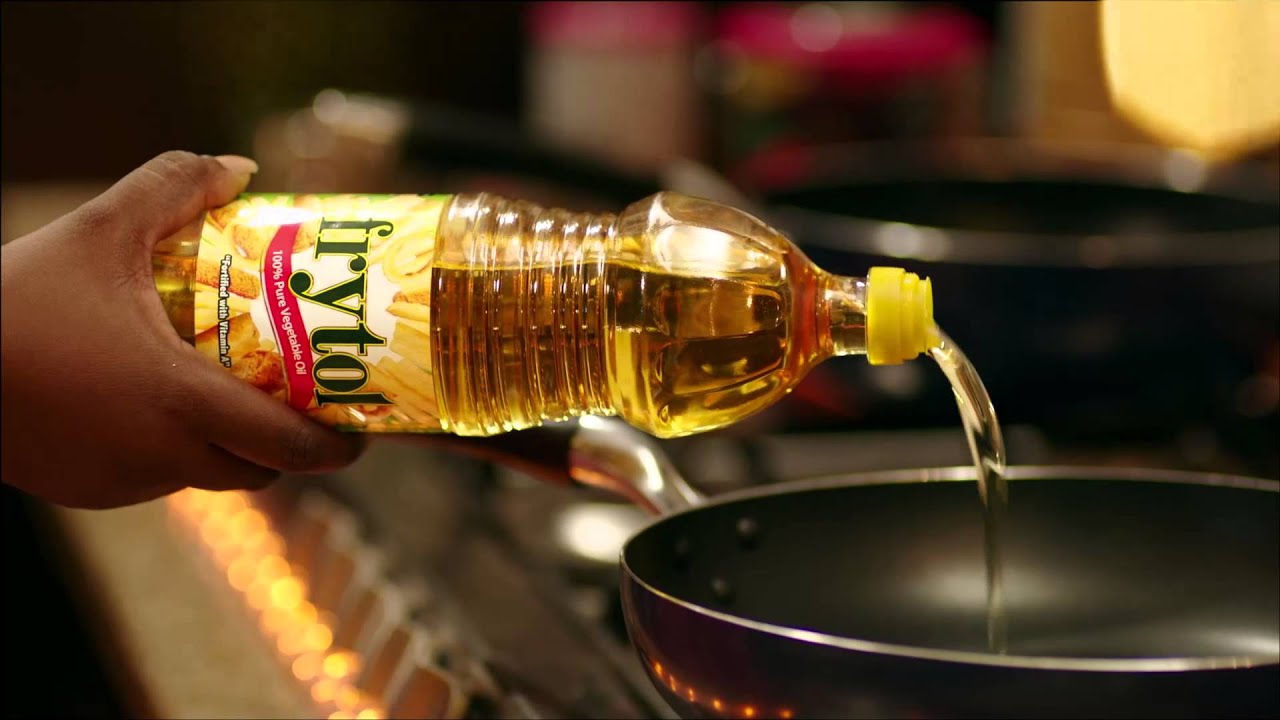
Frytol Cooking Oil:
Frytol is the flagship product. It is a high-quality vegetable oil brand that competes directly in the massive Ghanaian market for household and industrial frying oil.
Fortune Products:
-
Fortune Rice: Initially imported, Fortune Rice is a major player in the rice market, competing for the consumer looking for premium, well-milled grain.
-
Fortune Margarine: A table margarine spread used for baking and breakfast tables.
Other Brands:
-
Jamar Soap & Detergent: Produced by the subsidiary African Consumer Products Ltd, these products compete in the laundry and bathing soap segment.
-
Alife: Another brand under the consumer products umbrella.
The Soap and Detergent Expansion
Leveraging the by-products of its palm oil refining (palm stearin) and its shea butter operations, Wilmar has aggressively pushed into the industrial and household soap market. The company has positioned itself as the “market leader” in this category in Ghana .
Leadership: The Indian CEO and the Ghanaian HR Titan
Wilmar Africa benefits from a leadership team that blends the strategic rigour of the multinational parent with deep local operational knowledge.
Santosh Pillai (Chief Executive Officer, Africa)
The regional CEO for Africa, Santosh Pillai, oversees Wilmar‘s sprawling interests across the continent, with the Ghana operation serving as a central hub. His mandate is to drive growth, manage the complex supply chains, and navigate the regulatory environments of over 15 African countries.
Deepak Rajpurohit (Chief Financial Officer, Ghana):
Deepak Rajpurohit serves as the Chief Financial Officer for the Ghana operations, responsible for the intricate financial management of the refinery, trading desk, and local subsidiaries .

Solomon Ohene-Owusu (Head of HR, Admin & Corporate Affairs)
A key architect of Wilmar Africa‘s local success is Solomon Ohene-Owusu, SPHRi . Appointed as Head of Human Resource, Administration, and Corporate Affairs, Ohene-Owusu has been instrumental in building the company’s workforce and corporate culture.
Award-Winning Leadership:
In 2024, under his leadership, the HR team swept three major awards at the National Business and Governance Leadership Awards (NGBLA) :
-
Outstanding HR Team of Excellence Award – FMCG Gold (Second consecutive win)
-
HR Personality of the Year (FMCG)
-
Exemplary HR Business Leader of the Year (Named as part of the top 30 exemplary HR business leaders in Ghana)
His philosophy focuses on developing “well developed people who are able to do what is expected of them and achieve the result that we‘re looking at to achieve,” ensuring the workforce is agile enough to handle fluctuating economic conditions .
The Business Model: Vertical Integration and “Credible Sourcing”
1. The Integrated Supply Chain
Wilmar Africa’s business model is the physical manifestation of the parent company’s “seed-to-shelf” strategy.
-
Upstream (Plantation): Control over BOPP ensures a dedicated supply of fresh fruit bunches.
-
Midstream (Processing): Crushing and refining in Tema adds value locally, earning tax incentives and creating jobs.
-
Downstream (Distribution): An expansive network of distributors reaches retailers across the country.
This model protects the company from the “middleman” margins that affect smaller competitors.
2. Product Diversification (The Soap Connection)
A key efficiency driver for Wilmar is the full utilization of the palm fruit. After extracting the high-value cooking oil (Frytol), the leftover stearin is not wasted; it is channeled into the soap manufacturing division (Jamar, Alife). This by-product synergy allows Wilmar to produce soap more cheaply than a competitor who must buy stearin on the open market.
3. Shea Butter Expansion
The expansion of the shea nut crushing facility to 400 metric tonnes per month is a strategic play for the export market. Operating under the Free Zones regime, Ghana Specialty Fats produces crude shea butter (CBS) for export to Wilmar‘s global facilities, where it is used in cosmetics and chocolates, earning Ghana valuable foreign exchange.
4. Fortune Rice: The Import Lever
While Wilmar pushes local production for oil, it still leverages its parent’s global scale to import Fortune Rice. The company has sought “Key Distributors” to expand the footprint of this brand alongside its locally produced oils .
Financial Health and Credit Rating
As a private subsidiary of a public multinational giant, Wilmar Africa does not publish its detailed financial accounts for public consumption (GHS figures are not publicly filed). However, independent credit agencies provide a reliable snapshot of its financial standing.
MIRA Credit Rating (As of 2018):
In a 2018 credit report by Mira Inform, Wilmar Africa was assigned a rating of “A – Acceptable Risk” .
Risk Category: B1 – “Moderately Low Risk” .
Assessment Summary:
“Financial Index as of December 2018 shows subject firm with a medium risk of credit. However, bank and credit information obtained reveal a history of prompt payments.” .
Sales Revenue (2018 Estimate):
The same report estimated sales revenue at approximately 22,000,000 GHS for the fiscal year 2018 . Given the expansion of the refinery and the shea butter plant since 2018, current revenues are likely significantly higher, possibly in the hundreds of millions of GHS.
Economic and Industry Impact
Wilmar Africa is a significant contributor to the Ghanaian economy, not just through taxes and employment, but through local value addition.
Employment
The company is a major industrial employer. While exact headcount fluctuates, global data suggests Wilmar employs approximately 628 people across its African operations, with a significant concentration in Ghana .
“The Biggest CSR in the North”
Solomon Ohene-Owusu highlighted that Wilmar has the “biggest CSR initiatives in the Northern region when it comes to shea nut.” The company partners directly with local women to aggregate shea nuts, supporting their livelihoods. This is not merely charity; it is a supply chain strategy to secure high-quality raw materials .
Formalizing the Market
By acting as a reliable offtaker for smaller plantations and local aggregators, Wilmar helps stabilize the price of oil palm and shea nuts, moving the trade away from exploitative spot markets toward structured, long-term contracts.
Challenges and Risks
1. The Crude Palm Oil (CPO) Price Cycle
Wilmar Africa is exposed to the global volatility of CPO prices. When prices drop, margins shrink; when prices spike, consumers may switch to cheaper alternatives.
2. Currency Volatility
While Wilmar locally sources a great deal of its raw materials, the import of specialized refining equipment and the accounting for shareholder returns are exposed to fluctuations in the Cedi versus the US Dollar.
3. Competition from Local Brands
While Frytol is the incumbent, it faces relentless pressure from local champions like Eloa (produced by Ghana Nuts). These competitors have the advantage of local “patriotic” branding and sometimes lower overheads.
4. Supply Chain Integration Risks
The model relies on the steady performance of BOPP. A bad harvest or labor dispute at the plantation directly impacts the refinery’s utilization rate.
5. The “Multinational” Perception
In an era where “buy Ghana” campaigns are gaining traction, Wilmar is sometimes perceived as a foreign entity extracting value, despite its deep local integration and employment of Ghanaian leadership like Solomon Ohene-Owusu.
Future Outlook
The Immediate Agenda (2026-2027):
-
Maximizing Shea Exports: The newly expanded Ghana Specialty Fats unit will likely seek to increase its share of the European cosmetics market.
-
Deepening Distributor Networks: The call for “Key Distributors” suggests a plan to push Fortune and Frytol into deeper rural markets .
-
Integration of Dawa Park: The move into the Meridian Industrial Park (Dawa) positions Wilmar for future expansion, with reliable utilities and security allowing for potential third-party manufacturing or warehousing services.
The Verdict
Wilmar Africa Ltd. is the quiet engine of Ghana‘s edible oil sector. While the consumer sees the bright yellow label of Frytol, they do not see the super-tanker supply chain, the sprawling Beach Road refinery, or the vast Benso plantation that brings it to life.
The company has successfully navigated the transition from a pure importer to a local manufacturer, adding value to Ghana’s agricultural produce and creating stable industrial jobs. The doubling of shea nut crushing capacity and the aggressive push into soap manufacturing demonstrate a commitment to long-term capital investment.
For the Ghanaian farmer, Wilmar provides a stable market. For the Ghanaian consumer, it provides a consistent, affordable product. For the Ghanaian economy, it represents retained value—keeping the processing of palm oil onshore rather than shipping crude oil abroad to be bottled and returned.
The challenge for Wilmar is to fend off the local challengers who are winning the battle for nationalist sentiment. If the company can continue to leverage its efficiency while telling the story of its local jobs and Ghanaian leadership, it will likely remain the heavyweight champion of the Ghanaian pantry.
FAQ SECTION
1. Is Wilmar Africa a Ghanaian-owned company?
No. Wilmar Africa Ltd is a wholly-owned subsidiary of Wilmar International, a Singapore-based agribusiness conglomerate. However, it is managed by a team of Ghanaian and expatriate professionals and deeply integrated into the local economy.
2. Who is the CEO of Wilmar Africa?
The CEO overseeing African operations is Santosh Pillai . The Chief Financial Officer (CFO) for the Ghana operations is Deepak Rajpurohit .
3. Who is the Head of HR for Wilmar Africa?
The Head of Human Resource, Administration, and Corporate Affairs is Mr. Solomon Ohene-Owusu, SPHRi . He was recently named one of the top 30 exemplary HR business leaders in Ghana .
4. What is Wilmar Africa‘s most famous product?
Wilmar Africa is the manufacturer of Frytol Cooking Oil, one of the leading vegetable oil brands in Ghana.
5. Does Wilmar Africa only sell oil?
No. The company has a diversified portfolio including Fortune Rice, Fortune Margarine, Jamar Soap, and Alife detergents.
6. What is Benso Oil Palm Plantation (BOPP)?
BOPP is a Ghana Stock Exchange-listed oil palm plantation. Wilmar Africa is the majority shareholder, making it a vertically integrated producer .
7. Does Wilmar Africa process shea butter?
Yes. Through its subsidiary Ghana Specialty Fats, located in the Free Zones enclave in Tema, the company crushes shea nuts. It recently doubled its capacity to 400 metric tonnes per month .
8. Where is the Wilmar Africa refinery located?
The refinery is located on the Beach Road in Tema, Ghana, within the Meridian Industrial Park (Dawa Industrial Zone) .
9. Is Wilmar Africa‘s palm oil sustainable?
Wilmar International is a leader in sustainable palm oil. Many of its supply sources in Ghana, including BOPP and GOPDC, are RSPO (Roundtable on Sustainable Palm Oil) Certified .
10. What was Wilmar Africa‘s credit rating?
As of 2018, the company was rated “A – Acceptable Risk” with a “Moderately Low Risk” classification, noting a history of prompt payments .
11. Does Wilmar Africa export products?
Yes. The Ghana Specialty Fats division primarily processes shea butter for export to international markets for use in cosmetics and chocolates.
12. How do I contact Wilmar Africa for distribution?
The company has advertised for Key Distributors in the past. Interested parties can visit the Tema headquarters on Beach Road or monitor the company‘s official channels for procurement announcements .
QUICK FACTS BOX
| Item | Details |
|---|---|
| Founded (Incorporation) | June 16, 2012 |
| Headquarters | Plot No. 9,11,17,18 Beach Road, Tema, Ghana |
| Industry | FMCG / Agribusiness |
| Parent Company | Wilmar International Ltd (Singapore) |
| Parent Revenue | US$40+ Billion |
| Group CEO (Africa) | Santosh Pillai |
| CFO (Ghana) | Deepak Rajpurohit |
| HR Head (Ghana) | Solomon Ohene-Owusu, SPHRi |
| Key Brands | Frytol, Fortune, Jamar, Alife |
| Key Subsidiaries | Ghana Specialty Fats, African Consumer Products Ltd |
| Key Asset | Stake in Benso Oil Palm Plantation (BOPP) |
| Manufacturing | Beach Road Refinery (Tema) |
| Shea Capacity | 400 MT / month |
| Certifications | RSPO Certified (Mass Balance) |
| Regulator | Food and Drugs Authority (FDA) |
| Website | fighterghana.com |
Last Updated on June 7, 2026 by Samuel Kwame Boadu
Disclaimer: Some content on Accra Street Journal may be aggregated, summarized, or edited from third-party sources for informational purposes. Images and media are used under fair use or royalty-free licenses. Accra Street Journal is a subsidiary of SamBoad Publishing Hub under SamBoad Business Group Ltd, registered in Ghana since 2014.
For concerns or inquiries, please visit our Privacy Policy or Contact Page.

Samuel Kwame Boadu is a Ghanaian media entrepreneur and storyteller with a passion for amplifying urban voices and uncovering everyday truths. He is the Editor-in-Chief and Founder of Accra Street Journal, a dynamic digital platform dedicated to capturing the pulse of Ghana’s capital—its people, culture, challenges, business, sports and innovations.