







EXECUTIVE INTRODUCTION
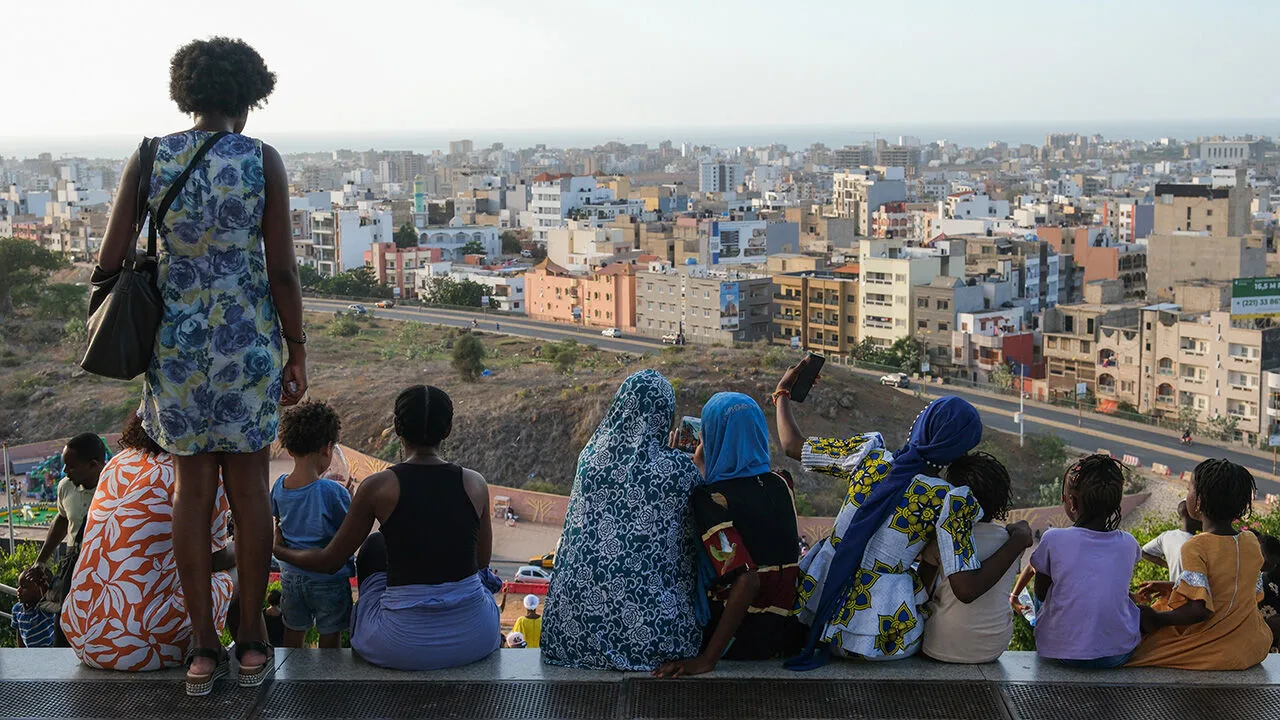
The Ghanaian middle class is a demographic that is statistically slippery, politically contested, and commercially obsessive. It is a group that defies easy categorisation by income bracket alone, yet its collective preferences, anxieties, and aspirations constitute the single most powerful engine shaping the nation’s consumption landscape. This class is not merely a segment of the market; it is the market’s cultural compass. What the Accra middle class validates today, the aspiring mass market adopts tomorrow. Its anxieties become the target of the insurance industry. Its health obsessions reshape the supermarket shelf. Its educational ambitions for its children create entire sub-sectors of the service economy. Its complex relationship with its own Ghanaian identity, suspended between the local and the global, dictates which brands win and which brands are dismissed as “not for us.”
This Accra Street Journal analysis is a deep, unsentimental portrait of this commercially decisive group. It moves beyond the crude caricatures of the “been-to” and the “East Legon executive” to examine the specific, observable, and economically powerful consumption behaviours of the Accra middle class. We trace the impact of this class on the housing market and the aesthetics of the “decent” home, on the transformation of the food retail and dining sector, on the fierce competition within private education, on the financialisation of anxiety through insurance and investment products, and on the deep, defining tension between the desire for trusted global brands and the emerging, powerful allegiance to a new wave of sophisticated, globally benchmarked Ghanaian-owned businesses. To understand where the Ghanaian consumer market is heading, one must first understand the Accra middle class. They are not just spending money; they are building the model of the good life that the rest of the society is striving to attain.

THE MIDDLE-CLASS HOME: THE ESTATE, THE KITCHEN, AND THE RENOVATION CYCLE
The most visible and economically consequential expression of Accra middle-class consumption is the home. The residential geography of this class maps a clear aspiration: the deliberate exit from the densely populated, communally oriented family compound house and the entry into the self-contained, nuclear-family dwelling within a planned, often gated, estate. This is not merely a housing choice; it is a profound statement of achieved modernity, privacy, and individual success. The locations are well-established: East Legon, the Airport Residential Area, Spintex, Community 18, and the newer developments pushing further up the Akwapim hills towards Aburi. The developer who understands this market builds not just a house but a bundle of promised lifestyle: security, reliable water and power infrastructure, landscaped surroundings, and proximity to the international school and the supermarket.
📢 GET A DETAILED ARTICLES + JOBS
Join ASJ's WhatsApp Channel and never miss a post or opportunity.

The internal aesthetic of the middle-class home is a powerful consumption engine in its own right. It is a curated blend of the global and the local, heavily influenced by the aspirational visual culture of social media and the home improvement channels. The open-plan kitchen with the granite island, the walk-in closet, the “accent wall,” the landscaped garden with the perfectly trimmed lawn and the outdoor seating area for the weekend barbecue—these are not optional luxuries. They are the non-negotiable signifiers of having arrived. This drives a continuous, high-value consumption cycle: the furniture and home décor purchases from the high-end showrooms on the Spintex Road, the renovation every few years to incorporate the latest trends, the engagement of architects and interior designers, and the investment in home entertainment and smart home technology. The middle-class home is not a static asset; it is a dynamic, ongoing consumption project, the primary canvas upon which the family paints its public identity.
THE CONSCIOUS PLATE: FOOD, HEALTH, AND THE PREMIUM GROCERY CART
The relationship of the Accra middle class with food has undergone a radical and commercially significant transformation. The traditional Ghanaian meal, centred on the heavy, starchy staple, the richly oiled soup, and the generous portion, is not rejected but has been demoted from its daily, unthinking dominance. It is now a weekend, ceremonial, or nostalgic meal, while the weekday diet is increasingly governed by a new, imported set of nutritional anxieties and aesthetic preferences. The middle-class consumer reads food labels. They count calories. They have a functional understanding of carbohydrates, gluten, and cholesterol. They are actively seeking out organic vegetables, cold-pressed juices, whole grains, and products labelled “no added sugar,” “low fat,” or “keto-friendly.”

This has fuelled the emergence of a sophisticated premium grocery and food service ecosystem. The supermarket chains like Palace and MaxMart have dramatically expanded their fresh produce, organic, and “healthy living” sections. Boutique grocery delivery services, operating primarily through WhatsApp and Instagram, have emerged to source and deliver organic vegetables, free-range chicken, and artisanal cheeses directly to the middle-class doorstep. The “detox” juice cleanse, the subscription meal-prep service delivering portion-controlled, nutritionally balanced lunches to the office, and the premium, health-focused restaurant are all direct commercial creations of the middle-class wellness consciousness. The consumer in this segment is not just buying food; they are buying a performance of health, self-discipline, and global cultural literacy. And they are willing to pay a significant premium for the foods and services that align with this performed identity. The traditional Ghanaian chop bar, for all its culinary excellence, struggles to appeal to this consumer who demands a specific ambience, a certain standard of hygiene presentation, and a menu that can accommodate their dietary self-conception.
THE CLASSROOM AS A CONSUMPTION DECISION: THE PRIVATE EDUCATION ECONOMY
No expenditure generates more anxiety, consumes a larger share of the household budget, or more powerfully signals middle-class status in Accra than the education of children. The choice of school is the single most significant and revealing consumption decision a middle-class family makes. The default aspiration is the private, internationally accredited school, offering the International Baccalaureate or the Cambridge International curriculum, with facilities that include a swimming pool, a modern IT lab, and a robust extracurricular programme in music, drama, and sports. The annual fees at the top tier of these institutions can exceed the GDP per capita of the country several times over. For the middle-class family, this is not an expense; it is the foundational investment in the reproduction of their class status, the guarantee that their children will possess the linguistic fluency, the cultural capital, and the transnational educational qualifications to compete in a global market.
This fierce educational investment creates a vast secondary economy. The private after-school tutoring industry, often conducted by the same teachers who instruct during the school day, thrives on middle-class anxiety about examination results. The holiday enrichment programme—coding camps, swimming lessons, creative writing workshops, tennis clinics—is a now-standard feature of the middle-class childhood calendar. The bookstore, the educational supply shop, the Apple reseller providing the required iPad for the “blended learning” programme—all are direct beneficiaries of the education consumption complex. The middle-class child’s life, from the age of two, is a structured, curated, and expensive journey through a succession of branded educational experiences, and the commercial sector that supports this journey is one of the most resilient and profitable segments of the Accra economy.
THE FINANCIALISATION OF ANXIETY: INSURANCE, INVESTMENT, AND THE SECURITY PROJECT
A defining characteristic of the Accra middle class, born of the memory of past economic collapses and the daily precarity of an environment with a weak social safety net, is a deep-seated and commercially fertile anxiety about the future. This anxiety is not a pathology; it is a perfectly rational response to the conditions of Ghanaian life. It is, however, a powerful commercial force. The middle-class professional lies awake at night worrying about the catastrophic medical bill that could wipe out a lifetime’s savings, the quality of retirement in a country with an unreliable public pension system, the children’s university education, and the security of their real estate assets against the chaotic land litigation system.
The financial services sector has become increasingly sophisticated in packaging and selling products that address these specific, named anxieties. The comprehensive private health insurance policy with evacuation cover, the private pension fund managed by a reputable investment firm, the education savings plan with a guaranteed payout structure, the life insurance policy bundled with a mortgage, the title insurance product for the new house—these are the financialised solutions to the middle-class fear of downward mobility. The consumption is not just of a financial product; it is the purchase of a managed, commoditised form of peace of mind. The marketing of these products is a masterclass in the calibration of fear and aspiration, and the middle-class professional allocates a significant and growing portion of their monthly income to this portfolio of financial security products. This is the quiet, invisible consumption of security, and it is one of the fastest-growing and most profitable sectors in the economy.
THE LOCAL-GLOBAL PENDULUM: THE BATTLE FOR THE MIDDLE-CLASS BIRRA
The most commercially significant tension within the Accra middle-class consumer is the ongoing, unresolved, and deeply emotional negotiation between the old allegiance to the prestigious global brand and the new, powerful, and politically charged allegiance to the high-quality, globally benchmarked Ghanaian alternative. The traditional middle-class consumption script was simple: the imported good, the foreign label, the product with the international provenance was inherently superior and a powerful signal of sophistication and success. The “been-to” or the professional returning from a trip abroad would fill their suitcases with branded goods from London, New York, or Dubai, the physical evidence of their access to the superior global marketplace.
This script is being actively and successfully challenged by a new wave of Ghanaian entrepreneurs who are producing goods and services that deliberately match or exceed international quality standards, and which are explicitly branded not just as “good for a local product,” but as “world-class, and proudly Ghanaian.” The fashion designer who uses locally woven textiles in globally sophisticated silhouettes, the furniture maker who combines Ghanaian hardwoods with a contemporary, minimalist design language, the skincare brand that scientifically formulates its products with Ghanaian shea and coconut oils in a sleek, minimalist package, the premium chocolate brand that sources Ghanaian cocoa and produces a single-origin bar that competes in London and Tokyo—these are the brands that are winning the new middle-class consumer. The choice to buy Ghanaian is no longer a compromise driven by patriotism or a lack of access to foreign exchange; it is an active, proud, and increasingly sophisticated consumption choice, a statement of a new, self-confident Ghanaian identity. The smartest global brands in the market understand this shift and are actively seeking partnerships, local sourcing narratives, and collaborative projects to tap into this powerful current, while the Ghanaian brands that merely offer a cheap, low-quality local alternative are being rejected by this aspirational consumer as not good enough. The middle-class wallet is open, but it is now demanding a product that is excellent, design-forward, and carries a story of Ghanaian authorship and global competitiveness.
QUICK FACTS BOX: THE ACCRA MIDDLE-CLASS CONSUMER
-
Defining Trait: A composite of professional employment, educational attainment, and an aspirational, globally-aware cultural orientation, rather than a precise income band.
-
The Home Project: Drives the continuous cycle of estate development, home renovation, and premium furniture and décor consumption, centred on the curated, Instagram-ready, nuclear-family dwelling.
-
The Wellness Plate: Fuels the premium grocery, organic food delivery, meal-prep service, and health-focused restaurant sector, centred on calorie-consciousness, dietary labels, and the aesthetic presentation of food.
-
The Education Complex: The largest and most anxiety-driven household investment, powering the international school sector, the private tutoring industry, and the vast ecosystem of children’s enrichment activities.
-
The Security Portfolio: A growing allocation of income to private health insurance, personal pension plans, education savings schemes, and property title insurance, the commoditised financial products that manage deep-seated economic anxiety.
-
The Local-Global Pendulum: A defining cultural shift from automatic preference for imported foreign brands to a powerful, proud, and sophisticated demand for high-quality, design-led, globally competitive Ghanaian-owned brands that tell a story of local authorship.
FAQ SECTION
1. Who exactly is considered middle class in Accra?
It is defined less by a fixed income number and more by a combination of stable professional or entrepreneurial employment, tertiary education, a specific set of consumption patterns (private education, health insurance, housing in planned estates), and a globally aware, aspirational cultural orientation.
2. Is the Ghanaian middle class large enough to drive national consumption trends?
Yes, disproportionately so. While its absolute size is debated, its cultural authority and its concentrated purchasing power in urban Accra make it the primary validator and trendsetter whose preferences cascade down to shape the aspirations of the broader mass market.

3. How has the middle-class diet changed in Accra?
There’s a significant shift towards health-consciousness and “clean eating.” The traditional heavy Ghanaian meal is consumed selectively, while weekday diets increasingly feature organic vegetables, whole grains, calorie-counted meal plans, and products labelled as low-sugar, low-fat, or gluten-free.
4. Why is private education such a massive expense for Accra’s middle class?
It is seen as the single most critical investment in reproducing the family’s class status. The choice of an international-curriculum school is a purchase of the linguistic, cultural, and educational capital the child needs to compete in a global market.
5. What is driving the trend of Accra’s middle class buying more Ghanaian brands?
A powerful new wave of sophisticated, design-led, and quality-obsessed Ghanaian entrepreneurs is creating products that rival international standards. For the consumer, buying Ghanaian is no longer a compromise but an active, proud identity statement.
6. Where does the Accra middle class typically live?
The traditional strongholds are the planned, often gated, estates in East Legon, the Airport Residential Area, Spintex, and the Cantonments. Newer communities are extending along the major arterial roads towards the Akuapim hills.
7. What financial products are most important to the Accra middle class?
Products that manage their deep-seated economic anxiety: comprehensive private health insurance, reliable private pension schemes, disciplined education savings plans, and secure, litigable property title insurance.
8. Does the Accra middle class still prefer imported goods over local ones?
The preference is no longer automatic. The pendulum has swung towards a sophisticated hybridity where global brands are respected, but high-quality, design-forward Ghanaian brands that tell a compelling story are often preferred and are considered equally, if not more, prestigious.
9. How do middle-class consumers in Accra typically discover new products and services?
Overwhelmingly through curated social media—particularly Instagram for lifestyle and aspirational goods—and through trusted, word-of-mouth recommendations within their professional and social networks. The influencer and the peer referral are the primary discovery channels.
10. Is the Accra middle class a homogenous group with the same tastes?
No. There is a significant spectrum, from the more traditional, conservative professional to the globally exposed, culturally adventurous creative class. The tension between these poles, particularly around the local-global brand debate, is what makes the segment so commercially dynamic.
Last Updated on July 28, 2026 by Samuel Kwame Boadu
Disclaimer: Some content on Accra Street Journal may be aggregated, summarized, or edited from third-party sources for informational purposes. Images and media are used under fair use or royalty-free licenses. Accra Street Journal is a subsidiary of SamBoad Publishing Hub under SamBoad Business Group Ltd, registered in Ghana since 2014.

For concerns or inquiries, please visit our Privacy Policy or Contact Page.

Samuel Kwame Boadu is a Ghanaian media entrepreneur and storyteller with a passion for amplifying urban voices and uncovering everyday truths. He is the Editor-in-Chief and Founder of Accra Street Journal, a dynamic digital platform dedicated to capturing the pulse of Ghana’s capital—its people, culture, challenges, business, sports and innovations.