










EXECUTIVE INTRODUCTION
The story of Ghana’s economic and social progress has, for generations, been written in the language of the physical and the mechanical. The grand, visible projects of the civil engineer—the hydroelectric dam, the deep-water port, the multi-lane highway. The extractive power of the mining industry, pulling gold, bauxite, and manganese from the earth. The brute, repetitive force of the factory machine. These are the tools that built the modern world, and they have served Ghana, to a point. But they have also brought us to the limits of a certain kind of progress. We now face a set of profound, stubborn, and deeply complex problems that the old, mechanical tools are ill-equipped to solve. The soil, depleted by decades of intensive farming, is exhausted and unproductive. The crops, the very foundation of our food security, are under relentless assault from new, evolving pests and the slow, grinding pressure of a changing climate. The miracle drugs of the last century, the antibiotics, are losing their power as the microbes grow resistant. The industrial processes we rely on are dirty, energy-intensive, and generate a toxic legacy that poisons the land and water.

This Accra Street Journal analysis is a forward-looking, grounded argument for the quiet, but immense, importance of a different set of tools. This is the domain of biotechnology. It is not a single, futuristic gadget. It is a profound and powerful way of understanding and manipulating the very building blocks of life itself—the genes, the cells, the proteins, and the microbes that are the invisible, living engines of our world. We argue that the deliberate, intelligent, and ethically guided development of a national biotechnology capacity is not an optional, luxury pursuit for a distant, wealthier future. It is an increasingly urgent, practical necessity for solving Ghana’s most intractable problems in agriculture, in healthcare, in industry, and in the stewardship of the environment. The mechanical age is not over, but it is no longer sufficient. The biological age is dawning, and the nations that master its tools will be the ones that feed their people, heal their sick, build a cleaner and more sustainable industry, and secure a prosperous and sovereign future. The science of survival is not just about physics and engineering anymore; it is, increasingly, about the quiet, invisible, and immensely powerful machinery of the living cell.
THE GREEN REVOLUTION 2.0: BIOTECHNOLOGY FOR A FOOD-SECURE GHANA
The first, and most immediately critical, frontier for biotechnology in Ghana is the agricultural sector. The challenge is immense, non-negotiable, and existential: how to feed a rapidly growing population with soil that is losing its natural fertility, in the face of increasingly erratic and hostile weather patterns, while reducing the heavy, costly, and environmentally damaging dependence on imported chemical fertilisers and toxic pesticides. The old, mechanical solutions of simply clearing more land and applying more brute-force chemicals have hit their ecological and economic limits. Biotechnology offers a new, more precise, and more sustainable set of tools. It is not, as is sometimes crudely and inaccurately caricatured, only about the distant, controversial prospect of genetically modified organisms. It begins with a suite of far more immediate, accessible, and practical applications that are already being deployed across the developing world.
📢 GET A DETAILED ARTICLES + JOBS
Join ASJ's WhatsApp Channel and never miss a post or opportunity.
Consider the simple, invisible work of the microbe. Bio-fertilisers, which are not chemical salts mined from the earth but are living, breathing preparations of carefully selected, beneficial bacteria and fungi, can be applied directly to seeds or to the soil. These microbes form a powerful, natural, and self-renewing partnership with the plant’s roots, drawing nitrogen from the air and converting it into a form the plant can use, or unlocking phosphorus that is already in the soil but in a chemically bound, inaccessible form. This is not a futuristic dream; it is a proven, cost-effective technology that can dramatically reduce a farmer’s dependence on expensive, imported, and environmentally damaging synthetic fertilisers. Similarly, bio-pesticides, derived from naturally occurring, locally isolated microorganisms or plant extracts, can target specific pests with remarkable precision, killing the caterpillar that devours the crop while leaving the bees, the butterflies, and the health of the human farmer unharmed, a stark, beneficial contrast to the indiscriminate chemical warfare of the old model.
Further down the road, but of immense strategic importance, lie the more advanced tools of the biotechnology revolution. Marker-assisted breeding is not the creation of a strange, alien species in a laboratory; it is a powerful, modern acceleration of the ancient, patient art of the farmer. Scientists use genetic markers to rapidly identify the specific, naturally occurring versions of genes within Ghana’s own rich, diverse library of native crop varieties that confer vital traits—the ability to withstand a period of drought, a natural resistance to a devastating local fungus, a significantly higher nutritional content in the grain. These superior, but entirely natural, varieties can then be selected and bred with a speed and precision that was previously impossible. And the technique of plant tissue culture, the ability to take a tiny cutting from a healthy, high-yielding mother plant and grow it into hundreds of identical, disease-free plantlets in a sterile, controlled laboratory environment, is already a powerful, practical tool. This is not a futuristic dream; it is how Ghana can rapidly multiply and distribute elite, clean planting material for its most critical staple crops, such as cassava, yam, and plantain, to farmers across the country, revolutionising the productivity and resilience of the smallholder farm. The green revolution of the future will not be fought with heavier tractors and more toxic sprays; it will be fought, and won, with smarter seeds, invisible microbial allies, and a deeper, scientific understanding of the living soil.
THE LIVING FACTORY: INDUSTRIAL BIOTECHNOLOGY AND A CLEANER, SMARTER ECONOMY
The second, and less intuitively obvious, frontier for biotechnology lies in the transformation of Ghanaian industry. The old, chemical-industrial model of manufacturing is a brute-force, high-temperature, high-pressure, and often highly toxic affair. It takes a finite, extracted resource, such as crude oil, and blasts it with energy and harsh chemicals to produce a plastic, a fuel, or an industrial solvent, leaving behind a trail of pollution and greenhouse gases. The industrial biotechnology model, in stark contrast, is the model of the living factory. Instead of relying on the brute force of chemistry, it harnesses the quiet, efficient, and exquisitely precise power of biology. The worker is not a giant, roaring machine; it is a microscopic organism—a yeast, a bacterium, or a fungus—that has been carefully selected and optimised. The raw material is not a finite fossil fuel; it is a renewable, locally available agricultural waste product, such as cassava peels, cocoa pod husks, or sawdust. The microbe, in a clean, quiet, sealed tank called a bioreactor, simply eats the waste and, through its own natural, biological processes, converts it into a valuable product.
This is the revolutionary promise of the bio-economy, and its potential applications for a country like Ghana, with a vast and underutilised agricultural residue stream, are immense and transformative. The bio-plastic, produced not from oil but from fermented plant starch by bacteria, that is genuinely and safely biodegradable in the Ghanaian environment, a direct, powerful solution to the catastrophic plastic waste crisis that chokes the gutters and pollutes the ocean. The bio-fuel, such as ethanol or biodiesel, brewed from agricultural waste, that can be blended with imported petrol, reducing the nation’s strategic dependence on volatile global oil markets and creating a valuable new domestic market for the by-products of farming. The industrial enzymes, produced by specialised microbes, that can replace harsh, toxic, and imported chemicals in a wide range of local manufacturing processes, from the stone-washing of jeans in the textile industry, to the clarification of fruit juice in the food processing sector, to the clean, low-temperature breakdown of stains in a new generation of biological detergents. And, in a specific and commercially compelling example, the microbial treatment of cocoa pulp, not to produce a beverage, but to dramatically enhance the quality and consistency of the fermentation process that is the absolute, critical foundation of the world-renowned flavour of Ghanaian cocoa, adding immense value at the very start of the supply chain. The bio-economy is not a distant, abstract theory. It is the practical, profitable, and sustainable engine of a cleaner, smarter, and more resource-efficient future, an engine powered not by the finite fuels of the past, but by the endlessly renewable, ingenious, and microscopic life of the present.
THE PRECISE CURE: BIOTECHNOLOGY AND THE FUTURE OF GHANAIAN HEALTHCARE
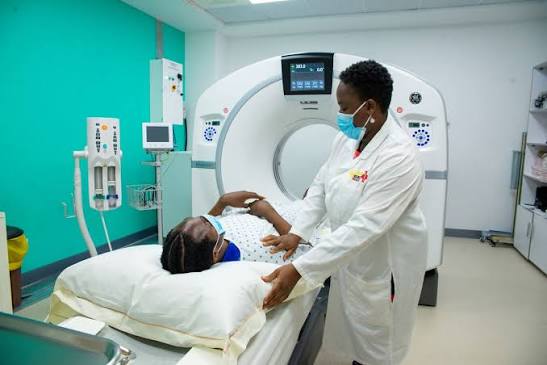
The third, and most intimately personal, frontier for biotechnology is in the transformation of human health. The old, blockbuster model of drug development was a blunt, one-size-fits-all approach. A single, chemical drug, often imported at great expense, was prescribed for a disease based on a broad, statistical average of its effects across a large, generic population. The drug might work brilliantly for some, partially for others, and cause serious, even dangerous, side effects in a small, unpredictable minority. Biotechnology is now ushering in a new, profoundly more intelligent, and more personal era of medicine. It is shifting the paradigm from treating the disease to treating the specific, individual patient, based on their own, unique biological makeup. The ability to read the human genome, to sequence a patient’s entire genetic code, is no longer a multi-billion-dollar, decade-long moonshot. It is becoming a rapid, affordable, and routine diagnostic test. By analysing the specific genetic profile of a Ghanaian patient’s tumour, for example, a physician can, in some cases, now prescribe a targeted therapy, a drug that is designed to precisely attack the specific molecular mutation driving that particular individual’s cancer, sparing healthy cells and dramatically improving the chance of a successful, less toxic outcome.
The biotechnology toolbox for Ghanaian healthcare extends far beyond the realm of the blockbuster, high-tech drug. Some of the most powerful and cost-effective applications are far simpler, and address the most stubborn, persistent problems of public health. The development of rapid, accurate, and affordable diagnostic tests for locally prevalent infectious diseases—tests that can be deployed, crucially, not just in the sophisticated labs of the teaching hospitals in Accra and Kumasi, but at the point of care, in the rural clinic, the community health centre, and the district hospital, where the vast majority of patients first seek help. The ability to quickly and definitively distinguish a case of malaria from a bacterial blood infection, using a simple kit that does not require a PhD technician or a constant supply of electricity, is a life-saving, antibiotic-stewardship-preserving capability. The application of modern molecular biology to the ancient, and often unreliable, practice of herbal medicine, to scientifically validate the active compounds, standardise the dosage, and screen for dangerous contaminants, transforming a traditional art into a credible, safe, and globally marketable modern therapeutic. And the quiet, constant monitoring of the nation’s microbiome, using genetic sequencing to track the emergence and spread of drug-resistant pathogens, providing the public health authorities with the early-warning intelligence they need to mount a rapid, effective, and targeted response before a localised outbreak becomes a national catastrophe. The promise of biotechnology for Ghanaian healthcare is not just of expensive, high-tech cures for the few; it is, far more importantly, of smarter, more precise, and more accessible tools for the prevention, the rapid diagnosis, and the effective, evidence-based treatment of the diseases that affect the many.
THE GHANAIAN PATH TO A BIOTECH FUTURE: THE FOUNDATIONS WE MUST LAY
The vision of a biotech-enabled Ghanaian future is compelling, but the path from the present to that future is neither short, easy, nor automatic. It requires the patient, deliberate, and strategic laying of specific, critical foundations. The first, and most non-negotiable, is human capital. Ghana must invest, with focused and sustained effort, in producing a new generation of highly trained biotechnology scientists, not just in the traditional academic disciplines, but crucially, in the practical, translational skills of bio-processing, bio-informatics, and industrial fermentation, the hands-on competencies that turn a brilliant laboratory discovery into a viable, scalable, and profitable commercial product. The second foundation is the physical infrastructure of a national bio-economy: a network of shared, well-equipped, and professionally managed laboratories and pilot-scale bio-reactors, accessible to universities and startups alike, where the journey from the petri dish to the factory can be safely and efficiently navigated. The third, and often the most decisive, foundation is a fit-for-purpose, scientifically literate, and ethically robust regulatory framework. The nation must build a regulatory system that protects its citizens and its unique, precious environment from any genuine, scientifically validated risks, while also providing a clear, predictable, and efficient pathway for safe, beneficial, and economically vital innovations to move from the lab, through the necessary trials, and into the hands of the farmers, the doctors, and the consumers who need them. The final, and perhaps the most difficult, task is the cultivation of an honest, transparent, and respectful public conversation about the technology itself. The fear, amplified by misinformation and a deep, historical mistrust, is real and must be met with patient, humble, and evidence-based dialogue, not dismissed as the ignorance of the uneducated. The Ghanaian path to a biotech future will be uniquely Ghanaian, built on a pragmatic focus on the nation’s own most urgent, specific problems, and guided by a deep, unwavering commitment to its own ethical values. The journey is long and demanding, but the prize—a more food-secure, a healthier, a more prosperous, and a more environmentally resilient nation—is one worthy of the very best of our collective effort and our enduring, patient hope.
QUICK FACTS BOX: BIOTECHNOLOGY IN GHANA’S FUTURE
-
The Core Concept: Biotechnology is the use of living systems—cells, microbes, genes—to develop practical, problem-solving products and technologies for agriculture, industry, and medicine.
-
Agricultural Promise: A shift from brute-force chemicals to smart, biological solutions: beneficial microbes to replace synthetic fertilisers, precise, natural bio-pesticides, and advanced breeding tools to create climate-resilient, high-yield crops.
-
Industrial Potential: The creation of a cleaner “bio-economy” where agricultural waste is fed to microorganisms in bioreactors to produce valuable products like biodegradable plastics, biofuels, and industrial enzymes.
-
Medical Transformation: The move towards more precise, personal medicine, including targeted cancer therapies, rapid, point-of-care diagnostics for infectious diseases, and the scientific validation of traditional herbal remedies.
-
The Necessary Foundations: The path requires sustained, strategic national investment in human capital, shared scientific infrastructure, a fit-for-purpose regulatory system, and a patient, honest public conversation about the ethics and the risks.
Last Updated on August 8, 2026 by Samuel Kwame Boadu
Disclaimer: Some content on Accra Street Journal may be aggregated, summarized, or edited from third-party sources for informational purposes. Images and media are used under fair use or royalty-free licenses. Accra Street Journal is a subsidiary of SamBoad Publishing Hub under SamBoad Business Group Ltd, registered in Ghana since 2014.
For concerns or inquiries, please visit our Privacy Policy or Contact Page.

Samuel Kwame Boadu is a Ghanaian media entrepreneur and storyteller with a passion for amplifying urban voices and uncovering everyday truths. He is the Editor-in-Chief and Founder of Accra Street Journal, a dynamic digital platform dedicated to capturing the pulse of Ghana’s capital—its people, culture, challenges, business, sports and innovations.