

Accra is a city in the midst of a profound identity shift. It is a city where luxury towers cast shadows on working-class neighbourhoods, where cultural traditions are fiercely defended, and where the very language of the capital is being renegotiated. Understanding this new urban identity means looking beyond the gleaming facades.
The Three Faces of Accra
Accra is best understood as a city with three distinct but interacting faces. One face is viewed by the elite and foreign investor, another by the middle class, and a third by the working class .

The Face of Transnational Consumption: In the background of Accra’s evolving urban landscape sit residential buildings from the pre-tourism era, alongside those that emerged with the onset of tourism and newer luxury developments . Billboards across the city advertise luxury living and real estate investment opportunities, all aimed at foreign investors and diaspora returnees with dollars, looking for a “safe” place to park their money .
📢 GET A DETAILED ARTICLES + JOBS
Join ASJ's WhatsApp Channel and never miss a post or opportunity.

The Working-Class Landscape: On the ground, a very different reality exists. Street hawkers and informal tire repair centres represent a working-class landscape rendered peripheral by the rapid urban transformation . This is a city where the second and third faces increasingly merge into one, divided by a road that separates two urban realities .
The Middle-Class Zone: The middle class inhabits a space between these extremes—drawn to the modern amenities of the city but increasingly priced out of its most desirable neighbourhoods. They are the ones who shop at malls, participate in the new consumption culture, and navigate the pressures of rising rents and a speculative real-estate market.

The Cultural Renaissance and Its Contradictions
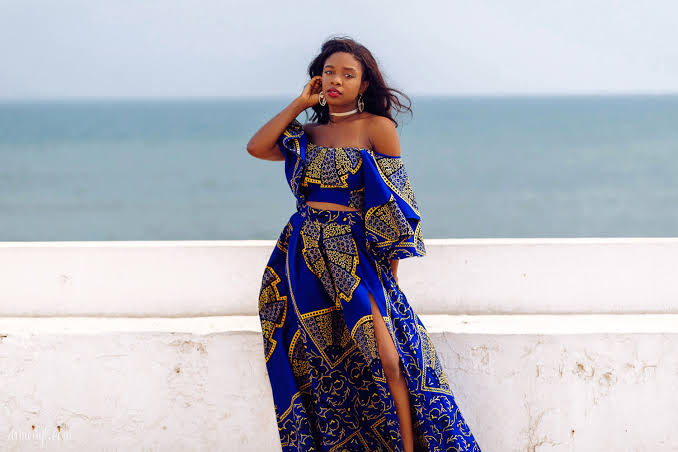
Accra is experiencing a cultural renaissance that has drawn global attention . Galleries like Gallery 1957 showcase homegrown talent, collectives such as Artemartis nurture emerging artists, and fashion designers are reviving traditional textiles . The Chale Wote Street Art Festival has grown from a one-day event into West Africa’s largest public arts festival.
Yet this renaissance sits alongside a quieter crisis: the steady disappearance of the Ga language, the indigenous tongue of the city’s founders . As Accra has grown more cosmopolitan, Ga has been pushed to the margins of daily life. Twi, widely spoken by Akan migrants, has become the dominant Ghanaian language alongside English .
King Tackie Teiko Tsuru II, the overlord of Accra, frames this as a crisis of identity: “A people without their language are like a house without a foundation. If we lose Ga, we lose memory, values and identity. Accra must not forget who it is” .
Battlegrounds of Identity
The Language Debate
In many private schools across the Greater Accra Region, Twi is taught as the sole Ghanaian language, sidelining Ga despite it being the indigenous tongue of the capital . Ga-speaking children often find themselves learning Twi as a “local language” in their own homeland .
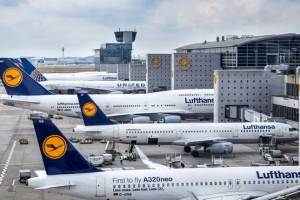
The debate has played out publicly in the changing of welcome signage at the Kwame Nkrumah Memorial Park and Kotoka International Airport from Twi’s “Akwaaba” to the Ga greeting “Oobake” . Critics argued it was tribalism; supporters saw it as a necessary act of cultural preservation .
The Greater Accra Regional Minister, Linda Obenewaa Akweley Ocloo, has publicly backed the move: “Greater Accra is not just a capital; it is Ga-Adangbe land. Cultural respect must be visible. When we acknowledge Oobake, we acknowledge history” .
Spiritual Identity
The Ga Mantse has also defended the spiritual traditions of the Ga people, insisting that their role in protecting Accra and maintaining peace must be respected . He has argued that Ghana’s development must recognise the metaphysical and spiritual dimensions of the country’s history and identity .
“We know what we do as spiritualists that keeps this city and this capital safe. Without the Naya Sakumonowulomo, without the Korlewulomo… and all the Wulomo’s, that support this spiritual system, we would never have a peaceful capital,” he stated .
The Homowo Festival
The Homowo festival, meaning “to hoot at hunger” in the Ga language, remains one of the most vibrant expressions of Ga identity . The 200th Homowo celebration was a reminder of a history that continues to live in the heart and spirit of the Ga people .

The ritualistic sprinkling of kpokpoi honours ancestors, appeases the gods, and symbolises sharing abundance while “hooting” at past hunger . Warriors in red regalia highlight resilience, and the festival has become both a homecoming and a tourist attraction .
Self-Help and Bottom-Up Governance
Accra’s new urban identity is also being shaped from below. A study of neighbourhood self-help interventions along the Nima Drain has argued that self-help urban design is a form of social movement . Residents are not waiting for the state—they are acting.
These self-help interventions include drainage improvements, pedestrian space creation, and various community-driven projects . The study argues that conventional urban designers are unable to manage and predict these activities, suggesting a need to reimagine their role as facilitators rather than enforcers .
This bottom-up governance reflects a deeper reality: Accra’s top-down planning interventions have often been deemed void, and residents have taken matters into their own hands .
The Market as Urban Catalyst
The transformation of Agbogbloshie Market represents another dimension of Accra’s evolving identity. The Ga Mantse has presented a redevelopment master plan that could accommodate more than 100,000 modern trading stalls .
The redevelopment is expected to reorganize commercial activity, free up major road corridors, and improve the aesthetic outlook of Accra, while providing traders with secure, dignified trading spaces . The plan was inspired by successful market redevelopments such as Kejetia and Asafo in Kumasi .
The Historian’s Perspective
The dynamics of contemporary Accra are not new. The city has been a site of negotiation between indigenous traditions and colonial modernity since the late 19th century. In the early colonial period, the town council was dominated by Ga elected representatives, though what it meant to be “Ga” was itself a cosmopolitan construction shaped by migration, economic realities, and political alliances .
The neighbourhood, not the ethnic group, was often the primary unit of social solidarity and political organization . This historical pattern continues today: Residents’ Associations fill governance gaps, communities organize self-help projects, and identity is negotiated at the intersection of tradition and modernity.
ASJ Conclusion
Accra’s new urban identity is a work in progress. It is a city where global aspirations meet local traditions, where language and land are contested, and where residents refuse to wait for the state to solve their problems.
Understanding this identity means looking beyond the gleaming towers to see the street hawkers, the self-help drainage projects, the Homowo celebrations, and the quiet efforts to keep the Ga language alive. It means recognizing that Accra is not one city but many—and that its future will be shaped by how these different faces learn to coexist.
Quick Facts
| Topic | Details |
|---|---|
| Ga Language Status | Declining in schools and public spaces, but cultural pushback is growing |
| Homowo Festival | 200th celebration in 2026; means “to hoot at hunger” in Ga |
| Agbogbloshie Redevelopment | 100,000+ stalls planned under Ga Mantse-led initiative |
| Self-Help Movement | Residents of Nima Drain organizing neighbourhood improvements |
| Urban Faces | City viewed differently by elite, middle class, and working class |
Frequently Asked Questions
1. What is Accra’s new urban identity?
Accra’s urban identity is a complex mix of globalization, cultural preservation, and grassroots governance. The city is viewed through three different lenses—the elite/foreign investor, the middle class, and the working class—each experiencing a different Accra .

2. Why is the Ga language declining?
Ga is declining due to urbanisation, the dominance of Twi in schools and public spaces, and the perception that Ga is not essential for economic survival. In many private schools, Twi is taught as the sole Ghanaian language .
3. What is the Oobake controversy?
Oobake” is the Ga word for “welcome.” Its replacement of “Akwaaba” on signage at Kotoka International Airport and the Kwame Nkrumah Memorial Park sparked debate. Ga traditional authorities see it as cultural preservation, while others see it as tribalism .
4. What is the Homowo festival?
Homowo is a Ga festival meaning “to hoot at hunger.” It commemorates the ancestors’ triumph over famine. The 200th celebration in 2026 was a significant moment of cultural reaffirmation .
5. What is the Nima Drain self-help movement?
Residents along the Nima Drain have organized self-help interventions including drainage improvements and pedestrian space creation. A study argues this is a form of social movement, reflecting bottom-up governance where the state has failed to act .
6. What is the Agbogbloshie redevelopment plan?
The Ga Mantse has presented a master plan to redevelop Agbogbloshie Market into a modern trading hub with over 100,000 stalls. The plan is awaiting technical review
Source: Accra Street Journal
Last Updated on September 3, 2026 by Samuel Kwame Boadu
Disclaimer: Some content on Accra Street Journal may be aggregated, summarized, or edited from third-party sources for informational purposes. Images and media are used under fair use or royalty-free licenses. Accra Street Journal is a subsidiary of SamBoad Publishing Hub under SamBoad Business Group Ltd, registered in Ghana since 2014.
For concerns or inquiries, please visit our Privacy Policy or Contact Page.

Samuel Kwame Boadu is a Ghanaian media entrepreneur and storyteller with a passion for amplifying urban voices and uncovering everyday truths. He is the Editor-in-Chief and Founder of Accra Street Journal, a dynamic digital platform dedicated to capturing the pulse of Ghana’s capital—its people, culture, challenges, business, sports and innovations.