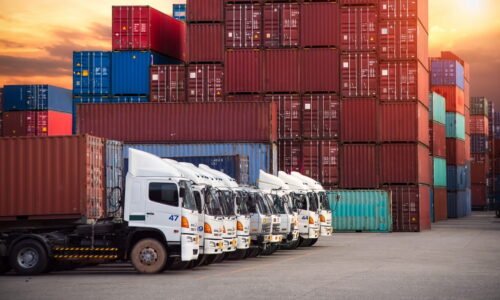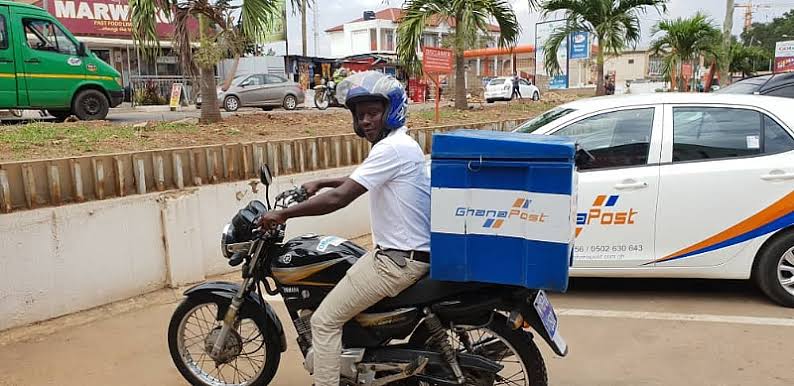









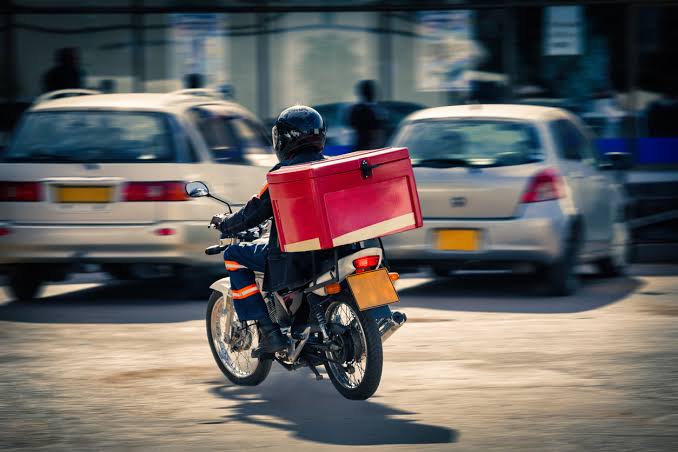
Accra’s courier market is crowded, fragmented, and priced by the trip. The real cost is not the quoted tariff—it is the rider who loses the parcel, delays the cash, or fails to show up. The 2026 best practice is to mix independent riders for central runs with app-based aggregators for traceability, and to set a free-shipping threshold that absorbs the delivery cost without eating your margin .
Here is how the major options compare, what they cost, and how to choose one that will not wreck your cash flow.

The Price Landscape: What You Actually Pay
Intra-city delivery in Accra typically costs GHS 15 to 40 for a central run, with a 30–50% surcharge for hard-to-reach or unnumbered areas . The differences between providers are less about the base rate and more about what you get for it.
📢 GET A DETAILED ARTICLES + JOBS
Join ASJ's WhatsApp Channel and never miss a post or opportunity.

| Provider | Intra-city Tariff | Delivery Time | Best For |
|---|---|---|---|
| Bolt Send | GHS 20–40 | Same-day | Traceability, no depot visits |
| Yango Delivery | GHS 15–35 | Same-day / next-day | App reconciliation |
| Glovo | GHS 18–35 | Same-day | App-based reconciliation |
| Independent rider | GHS 15–30 | Same-day | Cheapest per parcel; manual handling |
| Jumia Delivery | GHS 25 (small parcel, Accra zone) | 1–2 business days | Pick-up point network |
| Inter-city (Accra↔Kumasi) | GHS 60–120 | Next-day / 2-day | Cross-region sends |
Bolt Send has processed over 1.2 million deliveries in Accra in 2026 alone, with an average distance of 10.6 km and a courier rating of 4.82/5. It is heavily used by Instagram and WhatsApp sellers fulfilling individual orders without a warehouse or carrier contract. The limitation is that it is built for point-to-point sends, not for cash-on-delivery reconciliation or batch pickups.
Jumia Delivery is open to sellers who do not sell on Jumia. A small parcel within the Accra zone (including Tema and Kasoa) costs GHS 25, arriving in 1–2 business days. You drop at a Jumia point, the buyer collects from one of 120+ pick-up points, and both parties track on the app . It does not mention collecting payment, so take payment first.

The Licensed Couriers: When You Need a Contract
For businesses sending regularly or shipping high-value items, the licensed operators offer contracts, tracking, and accountability. Couriers in Ghana are licensed by the Postal and Courier Services Regulatory Commission (PCSRC) under Act 649, and the Commission publishes a register of licensed operators. Asking a courier for its licence number is a fair first question.
Eagle Express is licensed by the PCSRC and offers same-day, next-day, and dedicated/standby services. Their lead time within Accra is one hour after pickup, and to Tema it is two hours. Every package is covered by a Goods-in-Transit Insurance Policy. Contact: 0302-422086/96 .
ShaQ Express covers all 16 regions from nine regional offices, with proof of delivery by signature, photo, or OTP. It uses electric motorcycles and has a strong brand in Accra. It is good for wide geographic coverage, though its pricing is higher than leaner alternatives .
Ghana Post EMS is the national postal express service. It is cheaper than the private international couriers but has fewer branches and does not offer door-to-door delivery for large orders—recipients collect from the post office .
DHL, FedEx, UPS, and Aramex operate in Ghana for international shipments. UPS works through Antrak Express Ltd as its sole authorised service contractor. These are the options for cross-border parcels, not everyday intra-city runs.
The Cash-on-Delivery Problem
For online sellers, the delivery fee is only half the equation. The other half is the cash the rider collects at the door.
A 10–20% delivery-failure rate is common if orders are not confirmed by call before dispatch. Each failed delivery still costs the outbound rider fee—a seller doing 150 orders a month with an 18% failure rate loses GHS 540 in dead rider fees alone .
The practical fixes are simple: a confirmation call before dispatch cuts the failure rate by 5–10 percentage points, and a GHS 15–20 deposit at order can halve refusals . If you are using your own riders, require remittance within 24 hours and keep a daily parcel/cash tracker. If you are using an aggregator, confirm the reconciliation schedule in writing .
Choosing a Courier: The Questions That Matter
The search results do not contain a single official ranking of Ghanaian couriers. The reliable approach is to test and verify.

Check the licence. The PCSRC register is the authoritative list. A courier that cannot produce a licence number is not a courier you should trust with a parcel.
Ask for the COD terms in writing. ShaQ, SCS, and Uno all serve e-commerce sellers, but none of them publish their COD remittance terms online. Ask: when is the money remitted? How is it reconciled? Who bears the loss if a parcel is lost?
Match the tool to the job. A single item, one time, no payment to collect—a Bolt Send or Yango trip is fine. Sending to a customer, sending often, collecting cash, needing proof of delivery—that is a dedicated courier’s job, and it usually costs less per package than a car fare .
Start with a test batch. Every source in the search results recommends testing before committing. The market is fragmented, quality varies by rider and by zone, and the cheapest quote is not always the cheapest outcome.
Quick Facts
| Topic | Details |
|---|---|
| Typical Intra-City Cost | GHS 15–40 (central); +30–50% for outskirts |
| Cheapest Option | Independent rider: GHS 15–30 |
| Most Traceable | Bolt Send, Yango, Glovo (app-based) |
| Bolt Send Volume (Accra 2026) | 1.2 million+ deliveries |
| Jumia Small Parcel (Accra Zone) | GHS 25, 1–2 business days |
| Inter-City (Accra–Kumasi) | GHS 60–120 |
| COD Failure Rate (No Confirmation) | 10–20% |
| Regulator | PCSRC (Act 649) |

Last Updated on November 1, 2026 by Samuel Kwame Boadu
Disclaimer: Some content on Accra Street Journal may be aggregated, summarized, or edited from third-party sources for informational purposes. Images and media are used under fair use or royalty-free licenses. Accra Street Journal is a subsidiary of SamBoad Publishing Hub under SamBoad Business Group Ltd, registered in Ghana since 2014.
For concerns or inquiries, please visit our Privacy Policy or Contact Page.

Samuel Kwame Boadu is a Ghanaian media entrepreneur and storyteller with a passion for amplifying urban voices and uncovering everyday truths. He is the Editor-in-Chief and Founder of Accra Street Journal, a dynamic digital platform dedicated to capturing the pulse of Ghana’s capital—its people, culture, challenges, business, sports and innovations.