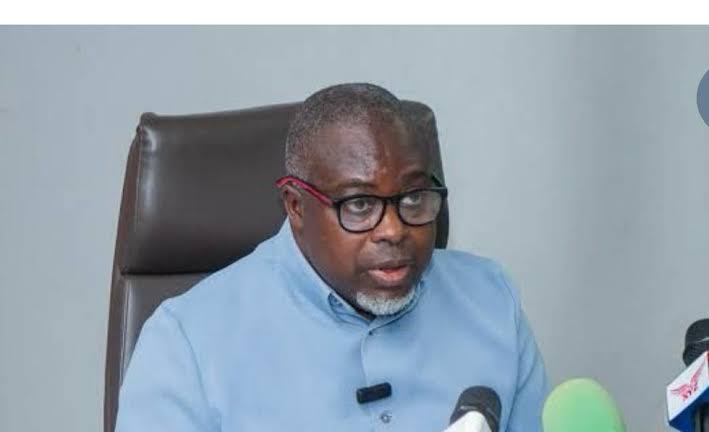
The recent public appeal by Ghanaian comedian OB Amponsah to the Ghana Revenue Authority (GRA) has done more than expose a personal tax dispute. It has reopened a long-standing and uncomfortable conversation about how Ghana taxes its creative economy—and whether the current framework is fit for purpose.
At a time when culture, entertainment, and the arts are increasingly recognised as economic drivers, Amponsah’s experience highlights the fragile financial reality behind the glamour of live events.


When Full Houses Don’t Mean Full Profits
The Reality Behind Live Shows
Following his December 20, 2025 “Greetings from Abroad” comedy show at the Bukom Boxing Arena, OB Amponsah received a tax assessment dated January 19, 2026, totaling GH₵27,648.97. The amount comprised:
📢 GET A DETAILED ARTICLES + JOBS
Join ASJ's WhatsApp Channel and never miss a post or opportunity.

Yet according to the comedian, the event itself recorded a loss of approximately GH₵5,000.
Optics vs. Reality
“The optics at the gate is not what reflects on paper,” Amponsah explained, pointing to a common but poorly understood reality in Ghana’s events business: attendance does not automatically equal profitability.

Complimentary Tickets and the Cost of Visibility
Marketing as Sacrifice, Not Evasion
A central issue raised by Amponsah is the widespread use of complimentary tickets. In Ghana’s creative industry, free access is often a strategic investment—used to build brand visibility, reward loyal fans, attract media attention, and strengthen industry networks.
However, within current tax assessments, these nuances are rarely captured.
The structural problem
-
Complimentary tickets inflate perceived revenue
-
Tax obligations are calculated without regard to losses
-
Marketing costs unique to creative events are poorly recognised
What appears profitable on paper may, in reality, be financially draining.
Tax Compliance vs. Sector Sustainability
A Question of Fairness, Not Avoidance
Amponsah was careful to acknowledge the GRA’s mandate to enforce compliance. His frustration was not about taxation itself, but about how it is applied.
“Integrity. Fairness. Service. But where is the fairness in this?”
This question cuts to the heart of the issue. When tax frameworks fail to reflect industry realities, they risk discouraging entrepreneurship rather than supporting growth.
A Broader Problem Facing Ghana’s Creative Economy
Independent Creators Carry the Heaviest Burden
Unlike corporate-backed concerts or label-sponsored productions, independent comedians, musicians, and theatre producers shoulder:
-
Venue costs
-
Marketing expenses
-
Security and logistics
-
Talent and crew payments
Many operate on thin margins, often reinvesting personal savings to keep events alive.
Without reform
-
Smaller creatives may exit the market
-
Innovation and experimentation decline
-
Cultural output becomes less diverse
This runs counter to Ghana’s stated ambition of building a globally competitive cultural economy.
The Case for Dialogue and Reform
Policy Engagement Over Punitive Assessment
Amponsah’s call for engagement with GRA officials, including Chief Revenue Officer Mariama Ewuntoma, reflects a growing consensus within the sector: taxation must be collaborative, not adversarial.

Potential pathways include:
-
Industry-specific tax guidelines for live events
-
Clear recognition of losses and marketing costs
-
Structured engagement between GRA and creative associations
-
Simplified reporting frameworks for independent producers
Such measures would not weaken revenue mobilisation. Instead, they could broaden the tax base by making compliance sustainable.
Conclusion: Taxing Creativity Without Killing It
OB Amponsah’s experience is not an isolated case. It is emblematic of a creative economy caught between rising expectations and rigid systems.
If Ghana truly sees culture as an economic pillar—capable of creating jobs, exporting soft power, and shaping national identity—then its tax policies must evolve to reflect that belief.
Fair taxation is not about lowering standards. It is about understanding context. And without that understanding, Ghana risks taxing creativity into silence rather than nurturing it into growth.
Source: Accra Street Journal
Last Updated on January 25, 2026 by Samuel Kwame Boadu
Disclaimer: Some content on Accra Street Journal may be aggregated, summarized, or edited from third-party sources for informational purposes. Images and media are used under fair use or royalty-free licenses. Accra Street Journal is a subsidiary of SamBoad Publishing Hub under SamBoad Business Group Ltd, registered in Ghana since 2014.
For concerns or inquiries, please visit our Privacy Policy or Contact Page.

Samuel Kwame Boadu is a Ghanaian media entrepreneur and storyteller with a passion for amplifying urban voices and uncovering everyday truths. He is the Editor-in-Chief and Founder of Accra Street Journal, a dynamic digital platform dedicated to capturing the pulse of Ghana’s capital—its people, culture, challenges, business, sports and innovations.