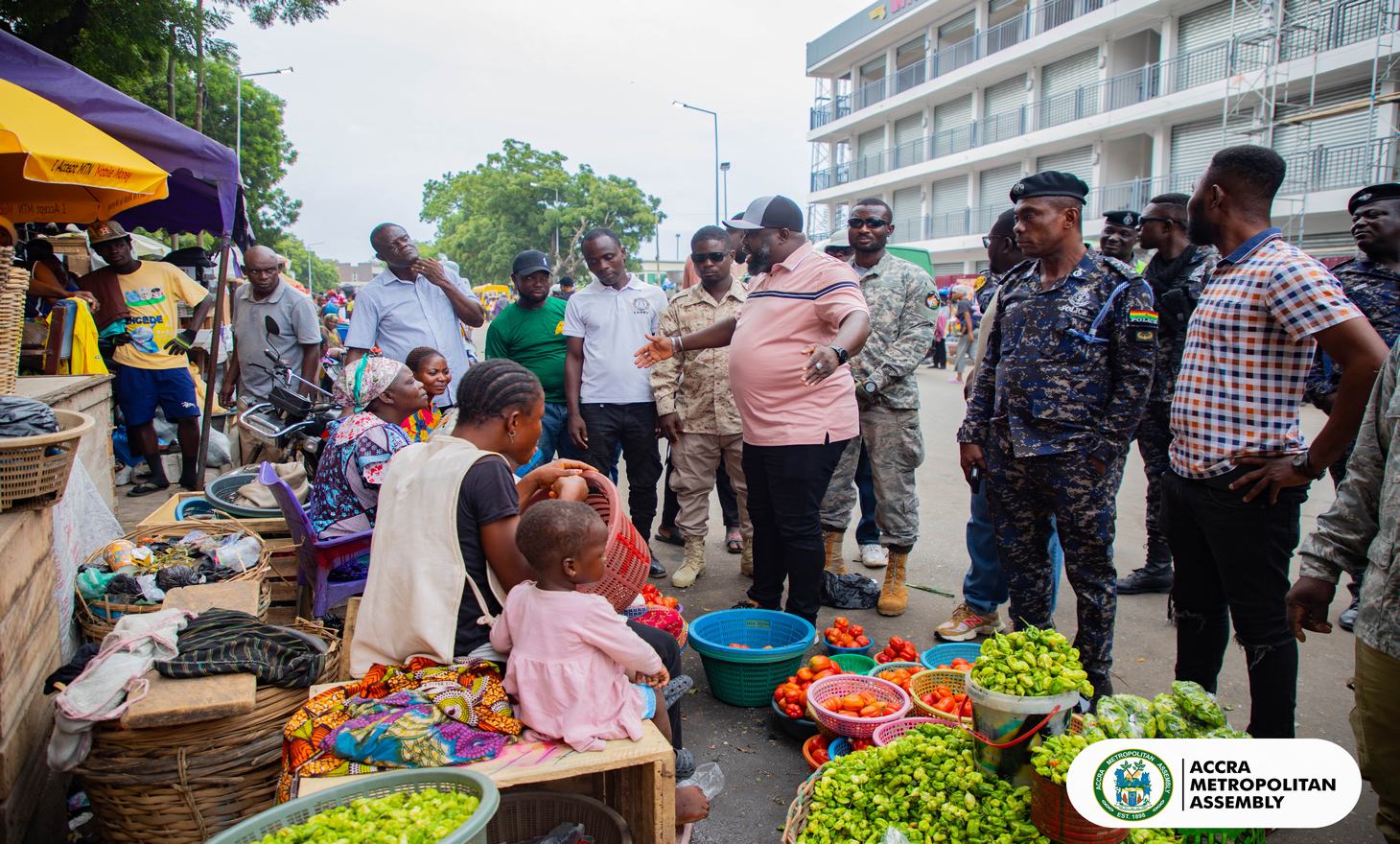
Walk through almost any busy intersection in Accra and you’ll see them — street hawkers weaving through traffic, balancing goods on their heads, calling out prices, and closing sales within seconds.
To some, they are a traffic distraction.
To others, they are a lifeline.
But beyond the surface, street hawkers play a critical and often underestimated role in Accra’s commerce chain.
📢 GET A DETAILED ARTICLES + JOBS
Join ASJ's WhatsApp Channel and never miss a post or opportunity.
📲 Join ASJ Channel Now
They are not just sellers on the roadside — they are mobile distributors, last-mile retailers, and shock absorbers in Ghana’s urban economy.
1. The Informal Economy Backbone
Accra’s economy operates on two parallel systems:
Street hawkers are a key link in the informal chain. They:
Without formal shop rent or utility costs, hawkers reduce overhead and offer competitive pricing.
2. The Last-Mile Distribution Network
In many ways, hawkers function as a human logistics network.
Goods often flow like this:
Wholesaler → Market Trader → Street Hawker → Consumer
Hawkers bridge the gap between market hubs and everyday consumers. Instead of consumers traveling to large markets like Makola or Madina, products come directly to car windows, bus stops, and street corners.
This system:
-
Saves time for busy workers
-
Increases product visibility
-
Speeds up inventory turnover
In traffic-heavy Accra, convenience sells.
3. Employment & Income Generation
Street hawking provides income for thousands of people, including:
Startup costs are relatively low compared to opening a shop.
For many families, hawking is not a temporary option — it is the primary source of survival.
4. Price Stabilization & Accessibility
Because hawkers operate with lower overhead costs:
-
They can sell in small quantities (single sachets, small packs)
-
They make goods accessible to low-income earners
-
They help circulate fast-moving consumer goods quickly
This flexibility supports cash-based daily spending patterns common in urban Ghana.
A commuter can buy water, snacks, phone credit, and tissues within minutes — without entering a store.
5. Supporting Local Producers
Many hawkers sell locally produced goods:
This creates a ripple effect in the supply chain, benefiting:
Street hawkers help move volume — and volume sustains producers.
6. Challenges in the System
Despite their economic importance, hawkers face significant challenges:
Regulatory Pressure
City authorities often conduct decongestion exercises, citing traffic and safety concerns.
Safety Risks
Selling between moving vehicles exposes hawkers to accidents.
Financial Instability
Daily sales fluctuate. There are no formal protections, insurance, or stable wages.
Limited Growth Pathways
Most operate outside formal financial systems, making access to credit difficult.
7. The Policy Debate
The conversation around street hawking in Accra is complex.
On one hand:
-
It contributes to congestion.
-
It operates outside tax structures.
-
It raises safety concerns.
On the other hand:
The real question is not whether hawking exists — it clearly does.
The question is how urban policy can integrate informal commerce without destabilizing livelihoods.
Some experts advocate for:
Integration may prove more sustainable than elimination.
8. A Reflection of Accra’s Economic Reality
Street hawkers represent more than informal trade.
They reflect:
-
Limited formal job availability
-
Entrepreneurial resilience
-
Demand for convenience
-
Adaptive urban survival systems
In many ways, they are the city’s real-time economic barometer.
When formal jobs shrink, hawking expands.
When purchasing power drops, product sizes shrink.
The street tells the economic story before statistics do.
Final Thoughts
Street hawkers are an inseparable part of Accra’s commercial ecosystem.
They:
-
Enable last-mile distribution
-
Support thousands of households
-
Improve access to everyday goods
-
Sustain the informal supply chain
While policy challenges remain, their role in the commerce chain is undeniable.
Accra moves fast — and so do its hawkers.