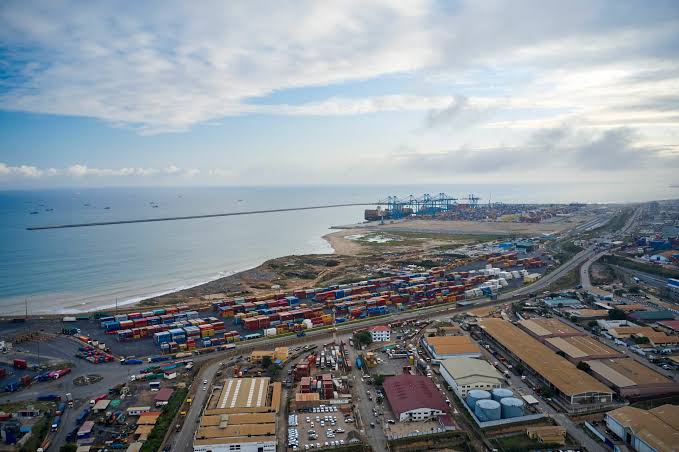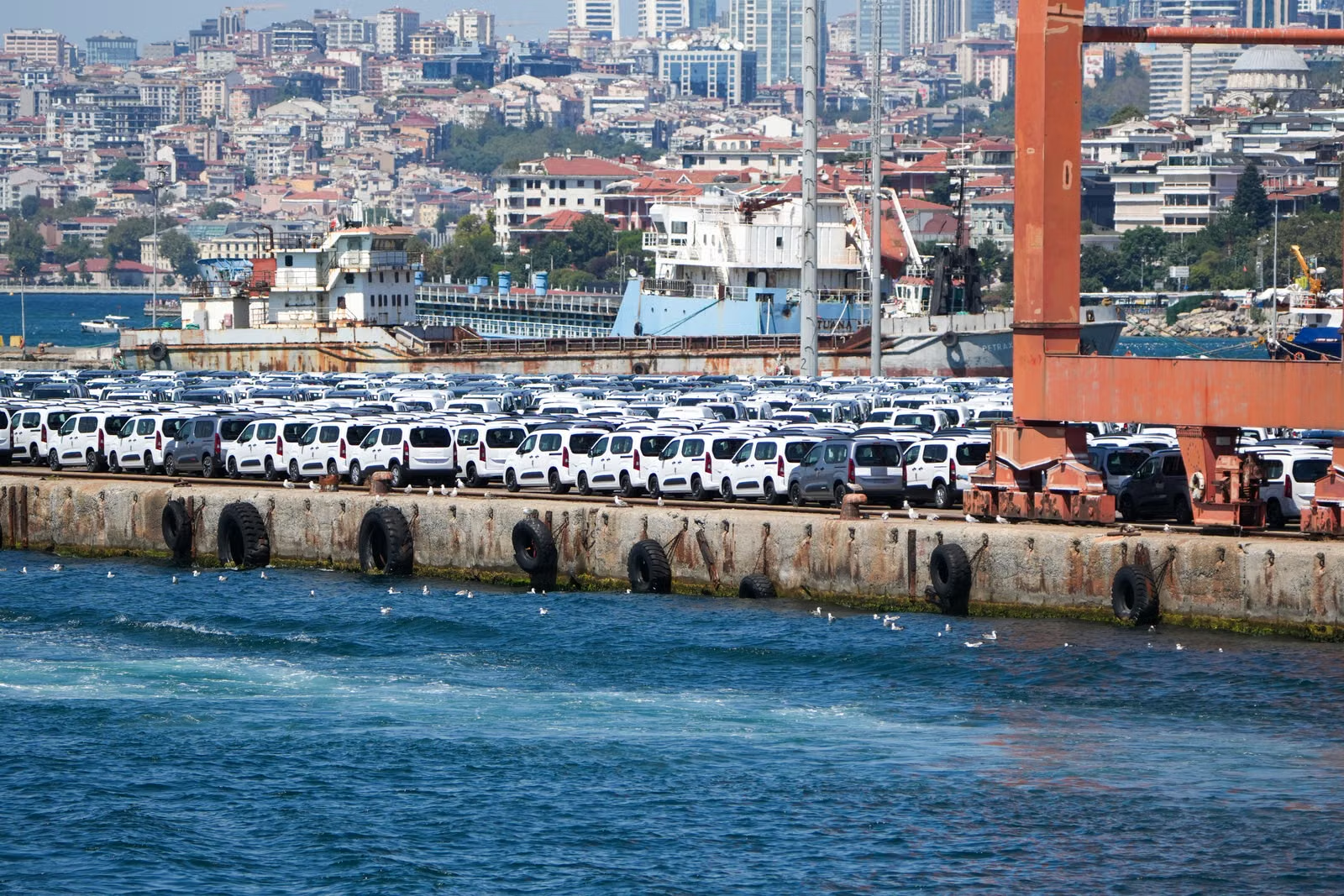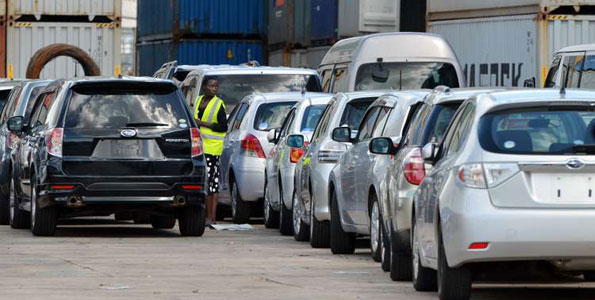









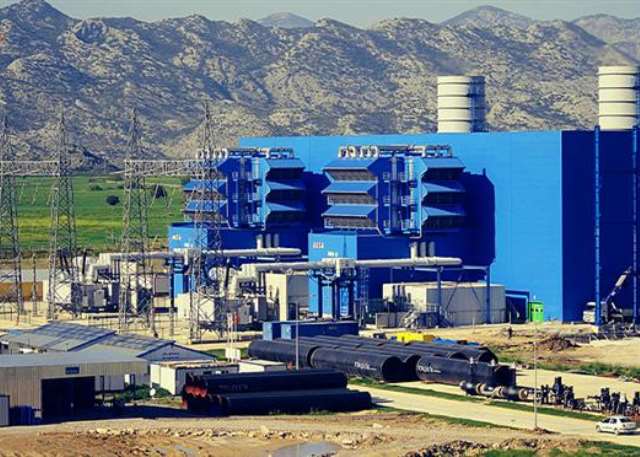
With a 370MW heavy fuel oil and gas plant in Tema, a new 205MW facility in Kumasi (bringing total capacity to 575MW), a 75% ownership stake held by Istanbul-based Aksa Enerji, and a 15-year dollar-denominated Power Purchase Agreement, AKSA Energy Ghana has become the most operationally agile Independent Power Producer in the country—adding 120MW to the grid in December 2025, scaling to 205MW by April 2026, and inking a landmark $22.45 million annual import supply chain from Turkey and China. Now, with the Cash Waterfall Mechanism’s enforcement improving, the question is whether this Turkish challenger can maintain its rapid expansion trajectory without triggering another political showdown over IPP tariffs.
Executive Introduction
In the constellation of Ghana‘s Independent Power Producers (IPPs)—where Chinese-backed Sunon Asogli commands 560MW and South African-funded Cenpower operates 340MW—AKSA Energy Ghana occupies a distinct and increasingly influential position. It is the Turkish challenger, the dual-fuel pioneer, and now, with the near-completion of its second plant, the operator of one of the most strategically located power facilities in the country.

AKSA Energy Ghana is a subsidiary of Aksa Enerji Üretim A.Ş. , a Turkish independent power producer listed on the Istanbul Stock Exchange and a member of the Kazancı Holding conglomerate . The company entered Ghana in 2015, signing a Power Purchase Agreement (PPA) with the Government of Ghana. Its first asset—a 370MW dual-fuel (heavy fuel oil and natural gas) plant in Tema—was commissioned in just 9.5 months in 2017, a record for the country‘s IPP sector .
📢 GET A DETAILED ARTICLES + JOBS
Join ASJ's WhatsApp Channel and never miss a post or opportunity.

In 2025 and 2026, AKSA has executed its most significant expansion yet. A second plant in Anwomaso, Kumasi, with an installed capacity of 205MW, began feeding power into the national grid in January 2026 . The project has been commissioned in phases: the first unit delivering 47MW in December 2025, scaling to 123MW by February 2026, and targeting full capacity by April 2026 .
For policymakers, energy analysts, and industry observers, AKSA Energy Ghana represents a case study in Turkish energy diplomacy, rapid deployment, and fuel flexibility. It is also a company that has navigated—and survived—the sector‘s recurring payment crises, including a 2024 episode where it scaled down supply from 370MW to 58MW amid ECG arrears . This profile examines AKSA’s ownership structure, its two-plant portfolio, its fuel flexibility strategy, the $22.45 million annual import supply chain, its role in Ghana‘s energy transition, and the critical question: With the Cash Waterfall Mechanism now more rigorously enforced, can AKSA Energy translate its operational momentum into long-term financial sustainability?

Company Overview: The Turkish Independent Power Pioneer
The Parent: Aksa Enerji and the Kazancı Holding Empire
AKSA Energy Ghana is a subsidiary of Aksa Enerji Üretim A.Ş. , one of Turkey‘s largest independent power producers. The parent company has an installed capacity exceeding 1.5 gigawatts (GW) globally, with power plants operating in Turkey, Ghana, Mali, Madagascar, Cameroon, Uzbekistan, Kazakhstan, Senegal, and the Ivory Coast .
Key Parent Company Metrics:
| Metric | Value |
|---|---|
| Installed Capacity (Group) | 1.5 GW+ |
| Markets | Turkey, Ghana, Mali, Madagascar, Cameroon, Uzbekistan, Kazakhstan, Senegal, Côte d‘Ivoire |
| Parent Group | Kazancı Holding |
| Stock Listing | Istanbul Stock Exchange |
| Core Business | Independent Power Production, Project Development, Engineering, O&M |
Ownership Structure in Ghana:
As of September 30, 2025, AKSA Energy Ghana Limited is owned as follows :
| Shareholder | Ownership % | Entity Type |
|---|---|---|
| Aksa Enerji Üretim A.Ş. | 75% | Turkish parent (direct) |
| Aksa Ghana B.V. | 100% of remaining | Netherlands-based holding company (also parent-controlled) |
The group‘s effective share ratio in the Ghana subsidiary is 75% . The remaining 25% is held through the Netherlands-based holding structure, which is also ultimately controlled by Aksa Enerji.
Leadership: Murat Captug (Country Manager)
The Country Manager of AKSA Energy Ghana is Mr. Murat Captug . He has been the public face of the company‘s expansion, frequently engaging with ECG officials and government representatives to facilitate the Anwomaso plant‘s commissioning.
In February 2026, Captug provided a clear update on the Anwomaso plant’s phased rollout:
“Although the plant has an installed capacity of 205 megawatts, only 123 megawatts is currently operational. The second phase of the project is expected to be completed by April 2026, allowing the plant to operate at full capacity.”
This transparent communication has built credibility with both regulators and off-takers.
Operations and Footprint
Headquarters:

According to MarketInside trade data, AKSA Energy Ghana Limited is located at No. 11 Trinity Avenue, East Legon, Accra .
Workforce:
The company operates with a lean technical and administrative team at both the Tema and Kumasi sites. Specific headcount is not publicly disclosed.
Key Operational Metrics (as of June 2026):
| Metric | Value |
|---|---|
| Tema Plant Capacity | 370 MW (dual-fuel: HFO/natural gas) |
| Anwomaso Plant Capacity | 205 MW (finalising commissioning) |
| Total Installed Capacity (Ghana) | 575 MW |
| Operational Capacity (Feb 2026) | 123 MW (Anwomaso) + 370 MW (Tema) |
| Full Capacity Target | April 2026 (Anwomaso) |
| Primary Off-taker | ECG |
| PPA Duration (Tema) | 15 years (signed October 2022) |
| PPA Currency | US Dollars |
| Fuel Types | Heavy Fuel Oil (HFO), Natural Gas, Marine Gas Oil (MGO) |
| Annual Import Turnover (2025-2026) | $22.45 million |
| Top Import Sources | Turkey (80%), China (14%), Spain (2%) |
The Asset Portfolio: Two Plants, 575MW, and Dual-Fuel Flexibility
Tema Plant: 370MW Dual-Fuel Pioneer
AKSA‘s first Ghanaian asset—located in the industrial hub of Tema—was commissioned in 2017 after a record-setting construction period of just 9.5 months . The plant is a dual-fuel facility, capable of operating on:
-
Heavy Fuel Oil (HFO)
-
Natural Gas
-
Marine Gas Oil (MGO)
Technical Specifications:
| Component | Details |
|---|---|
| Engine Configuration | 15 Wärtsilä 18V50 engines (HFO) + 7 Wärtsilä 18V46 gas engines |
| Total Capacity | 370 MW |
| Construction Time | 9.5 months |
| Commercial Operation Date (COD) | 2017 |
| Dual-Fuel Conversion Completed | March 2025 |
Source:
The Dual-Fuel Conversion (March 2025):
In March 2025, AKSA completed a dual-fuel conversion project for the 15 Wärtsilä 18V50 engines at the Tema plant . This upgrade enables the plant to switch between HFO and natural gas, offering several strategic advantages:
| Advantage | Explanation |
|---|---|
| Fuel price arbitrage | Switch to cheaper fuel source when market conditions shift |
| Supply security | Reduce dependence on any single fuel logistics chain |
| Environmental compliance | Natural gas burns cleaner than HFO; aligns with Ghana‘s emission reduction targets |
Power Purchase Agreement (2022):
In October 2022, AKSA Energy and ECG signed a new 15-year, US dollar-based energy sales agreement covering the Tema plant‘s output . This replaced the original PPA and provided long-term revenue certainty.

Anwomaso Plant: 205MW Kumasi Facility
AKSA‘s second Ghanaian plant—located in Anwomaso, Kumasi—represents a major strategic shift: from Ghana‘s coastal industrial belt to the middle belt, where transmission losses and voltage instability have historically been challenges.
Project Timeline:
| Date | Milestone |
|---|---|
| 2023–2024 | Construction |
| Nov 2025 | First unit commercial operations (47MW) |
| Dec 2025 | 120MW added to grid |
| Jan 2026 | Plant operational; supplying 123MW |
| Feb 2026 | 123MW confirmed; April 2026 target for full capacity |
| April 2026 (target) | 205MW full capacity |
The 2026 Blackout Incident (January 11, 2026):
On January 11, 2026, a widespread blackout hit major parts of Greater Kumasi and the Ashanti Region—just one day after AKSA announced the successful integration of its Anwomaso plant into the national transmission grid . The Ministry of Energy stated that once fully operational, the plant would add approximately 141MW to the grid for the middle belt and adjoining regions .
The blackout‘s cause was not directly attributed to AKSA; officials described it as a “technical hitch.“ The incident, however, highlighted the vulnerability of the transmission network in the Ashanti Region—ironically, the very deficiency the Anwomaso plant was designed to address.
Why Anwomaso Matters:
| Objective | Explanation |
|---|---|
| Middle belt supply | Reduce transmission distances from coastal plants (Aboadze, Tema, Kpone) |
| Voltage stability | Local generation supports voltage levels in Kumasi and surrounding industrial zones |
| Demand growth | Ashanti Region is Ghana‘s second-largest economic hub |
The Combined 575MW Capacity
With the Anwomaso plant reaching full capacity, AKSA Energy Ghana‘s total installed capacity will be 575MW :
| Plant | Capacity | Location |
|---|---|---|
| Tema (HFO/Gas) | 370 MW | Greater Accra |
| Anwomaso (new) | 205 MW | Ashanti Region |
| Total | 575 MW | — |
This positions AKSA as one of Ghana‘s largest IPPs, comparable to Sunon Asogli (560MW) and larger than Cenpower (340MW).
The Fuel Supply Chain: $22.45 Million in Annual Imports
Unlike plants that rely exclusively on natural gas from the West African Gas Pipeline (WAGP) or LNG imports, AKSA‘s dual-fuel plants require a complex, multinational supply chain for engines, spare parts, and specialty fuels.
Trade Intelligence: February 2025 – January 2026
According to MarketInside trade data covering the period from February 2025 to January 2026, AKSA Energy Ghana Limited recorded substantial import and export activity .
| Metric | Value |
|---|---|
| Import Turnover | $22.45 million |
| Export Turnover | $509,160 |
| Total Import Shipments | 2,174 |
| Total Export Shipments | 25 |
| Top Import Sources | Turkey, China, Spain, Switzerland, Sweden |
| Top Export Destinations | Turkey, Switzerland, Burkina Faso, Bangladesh, Senegal |
Import Composition:
| Country | Value (USD) | Share |
|---|---|---|
| Turkey | 19.05 million | 80.17% |
| China | 3.30 million | 13.91% |
| Spain | 543,650 | 2.29% |
Primary Import Commodities:
| HS Code | Description | Share |
|---|---|---|
| 8504330000 | Electrical transformers (12.68%) | |
| 8537100000 | Control panels and switchgear (8.19%) | |
| 8517620000 | Communication apparatus (7.39%) |
Ports of Entry:
| Port | Value (USD) | Share |
|---|---|---|
| Ceps Tema | 19.17 million | 80.71% |
| Ceps Kia | 3.76 million | 15.83% |
| Paga (land border) | 821,040 | 3.46% |
Strategic Implications:
-
High Turkish dependency (80%): AKSA sources the majority of its equipment and spare parts from its Turkish parent and Turkish supply chain.
-
Chinese component presence (14%): Electrical, control, and communication apparatus are sourced from China.
-
Land border imports (Paga, 3.46%): Some imports arrive via Burkina Faso, suggesting regional supply chain integration.
-
Export activity ($509,160): Modest export turnover suggests AKSA is primarily a domestic supplier, but cross-border trade with Burkina Faso and Senegal indicates regional ambitions.
Heavy Fuel Oil (HFO) and Gas Supply
The Tema plant’s fuel oil is imported via Ghana‘s Tema port. Natural gas for the Tema plant’s gas engines is sourced from the West African Gas Pipeline (WAGP) or from LNG suppliers. The dual-fuel conversion completed in March 2025 gives AKSA the flexibility to switch fuels based on price and availability, reducing operational risk.
The 2024 Payment Crisis: When AKSA Scaled Down to 58MW
AKSA Energy Ghana has not been immune to the sector-wide payment crisis that has plagued IPPs. In November 2024, as ECG‘s arrears mounted, AKSA drastically reduced its load from 370MW to just 58MW .
The Context
| IPP | Action Taken (Nov 2024) |
|---|---|
| Karpowership | Off the grid |
| Amandi Energy | Off the grid |
| Sunon Asogli | Already shut down |
| AKSA Energy | Reduced from 370MW to 58MW |
The Chamber of Independent Power Producers warned that failure to address the debt situation would lead to a shortfall of approximately 450MW on the national grid .
The Response
Following government intervention, the Cash Waterfall Mechanism (CWM) was more rigorously enforced. In February 2026, ECG‘s Acting Managing Director, Ing. Kwame Kpekpena, reaffirmed ECG’s commitment to “strict compliance with the Cash Waterfall Mechanism“ to ensure timely payment to all players in the electricity supply chain .
Kpekpena noted that “improvements in ECG‘s revenue collection and favourable economic indicators have enhanced the company‘s ability to meet its financial obligations to power producers“ .
AKSA‘s Resilience
Unlike Sunon Asogli, which shut down entirely (October 2024), AKSA maintained partial generation. This operational resilience—powering 58MW instead of zero—preserved some revenue and avoided a complete shutdown. By December 2025, AKSA was adding 120MW to the grid , demonstrating that it had weathered the crisis.
The Cash Waterfall Mechanism: A Game Changer for IPPs?
The Cash Waterfall Mechanism (CWM) is a revenue distribution framework designed to ensure that electricity revenues collected by ECG are equitably shared among sector players, including IPPs and state-owned enterprises .
How It Works
| Step | Process |
|---|---|
| 1 | ECG collects revenue from end users |
| 2 | Revenue is deposited into a dedicated account |
| 3 | Funds are distributed in a pre-determined priority order |
| 4 | IPPs receive payment before other expenditures |
ECG‘s 2026 Reaffirmation
During the February 2026 working visit to the AKSA Anwomaso plant, Acting MD Ing. Kwame Kpekpena stated:
“Our revenue collection has improved, and economic indicators are better, so we are able to pay all IPPs and will continue to do so. Stable power supply is critical to boosting Ghana‘s economy and delivering quality service to our customers.”
ECG Board Chairman, Ing. Dr. William Amuna, commended the Acting Managing Director for promoting “fiscal discipline and operational efficiency at ECG“ .
Implications for AKSA
For AKSA Energy Ghana, the improved enforcement of the CWM is critical. The company‘s 15-year PPA is denominated in US dollars. If payments are delayed or eroded by currency depreciation, the financial viability of the 575MW portfolio could be threatened.
The Anwomaso plant‘s commissioning coincided with this improved payment regime—a favourable alignment that may signal a new era of IPP–off-taker relations.
Challenges and Risks
No analysis of AKSA Energy Ghana is complete without acknowledging the headwinds it faces.
Risk 1: Heavy Fuel Oil Environmental Concerns
AKSA‘s Tema plant runs primarily on Heavy Fuel Oil (HFO), which has higher emissions than natural gas. While the dual-fuel conversion enables switching to gas, price signals may favour HFO. Environmental groups may scrutinise AKSA‘s emissions profile as Ghana commits to lower carbon intensity.
Risk 2: Currency Depreciation
AKSA‘s PPA is denominated in US dollars, but its operational costs (local staff, some maintenance) are in cedis. However, its import costs (engines, spare parts, fuel) are in dollars. The cedi‘s volatility affects the real value of dollar payments when converted to cedis for local expenses.
Risk 3: Natural Gas Supply Disruption
If AKSA switches to natural gas for environmental or cost reasons, it becomes dependent on the West African Gas Pipeline (WAGP), which has a history of supply interruptions and technical issues.
Risk 4: ECG Payment Disciplines Still a Concern
Despite improved CWM enforcement, ECG‘s fundamental revenue collection challenges (estimated at 75-80% efficiency) have not been resolved. Another accumulation of arrears could trigger a repeat of the 2024 crisis.
Risk 5: Anwomaso Grid Integration
The January 2026 blackout in Kumasi occurred shortly after AKSA‘s Anwomaso plant was integrated into the grid . While not attributed to AKSA, the incident raised questions about GRIDCo‘s transmission capacity in the Ashanti Region. If transmission bottlenecks persist, AKSA‘s new capacity cannot be fully utilised.
Risk 6: Import Supply Chain Vulnerabilities
With 80% of imports sourced from Turkey, AKSA is exposed to Turkish economic volatility (inflation, currency fluctuations) and potential disruptions in the Turkish–Ghana trade corridor.
Risk 7: Political Risk
PPAs signed under previous governments have been subject to renegotiation. If a future administration seeks to reduce electricity tariffs, AKSA‘s dollar-based PPA could become a target for renegotiation.
Economic and Industry Impact
Enhancing Middle Belt Energy Security
The Anwomaso plant is AKSA‘s most significant contribution to Ghana‘s energy sector. By locating generation capacity in Kumasi, AKSA reduces the transmission distance from coastal power plants (Aboadze, Tema, Kpone) to Ashanti Region load centres. This improves voltage stability and reduces transmission losses.
Dual-Fuel Flexibility as a National Asset
AKSA‘s ability to switch between HFO and natural gas gives Ghana strategic fuel security. If WAGP gas flows are disrupted, AKSA can fall back on HFO (imported). If HFO prices spike, AKSA can switch to gas. This flexibility is rare among Ghana‘s IPPs, most of which are single-fuel.
Employment and Local Content
AKSA directly employs engineers, technicians, and administrative staff at its Tema and Kumasi sites. The company also supports local jobs through maintenance contractors and logistics providers. The Anwomaso construction phase created hundreds of temporary jobs.
Tax and Trade Contribution
AKSA‘s $22.45 million in annual imports contributes to government revenue through import duties and VAT. The company‘s exports ($509,160) generate foreign exchange for Ghana.
Contribution to Installed Capacity
With 575MW (when Anwomaso reaches full capacity), AKSA will contribute approximately 9-10% of Ghana‘s total installed generation capacity (over 5,000MW). This makes it a cornerstone of the national generation fleet, alongside VRA, BPA, Sunon Asogli, and Cenpower.
Future Outlook
As of June 2026, AKSA Energy Ghana is executing a dual strategy: finalise the Anwomaso plant‘s commissioning and optimise the Tema plant‘s fuel flexibility.
The Immediate Agenda (2026-2027)
-
Complete Anwomaso Plant (April 2026): Achieve full 205MW capacity; ensure grid integration stability.
-
Optimise Fuel Mix: Leverage the dual-fuel conversion to switch between HFO and natural gas based on price signals.
-
Strengthen ECG Relationship: Continue engagement with ECG on CWM compliance and payment schedules.
-
Explore Expansion: Assess demand for additional capacity in the middle belt; consider a third plant if load growth justifies investment.
-
Deepen Local Supply Chain: Reduce reliance on Turkish imports by developing local suppliers for certain components (where feasible).
The Bull Case (Optimistic)
-
Anwomaso Commissioning Successful: The plant reaches 205MW by April 2026. Grid stability in Ashanti Region improves. ECG pays on time.
-
Dual-Fuel Savings Realised: AKSA switches to natural gas when prices are favourable, reducing operating costs by 15-20%. Margins improve.
-
CWM Enforcement Sustains: ECG continues to prioritise IPP payments. AKSA avoids another 2024-style crisis.
-
Expansion to Northern Regions: AKSA bids for a third plant in the Northern Region, leveraging its dual-fuel expertise and EPC capabilities.
-
Cross-Border Sales Grow: AKSA increases exports to Burkina Faso, Senegal, and other West African markets, diversifying revenue beyond ECG.
The Bear Case (Pessimistic)
-
Anwomaso Delays: The April 2026 target slips to June or September. Grid integration issues persist. Blackouts in Kumasi continue.
-
ECG Arrears Reaccumulate: Improved CWM enforcement proves temporary. ECG falls behind on payments again. AKSA reduces load to 58MW once more.
-
Natural Gas Shortages: WAGP supplies are disrupted. AKSA is forced to rely on expensive HFO. Margins compress.
-
Cedi Depreciation: The cedi falls sharply. AKSA‘s dollar-denominated revenue loses value in cedi terms for local expenses. Profitability declines.
-
Political PPA Renegotiation: A new administration demands lower tariffs. AKSA‘s dollar PPA is renegotiated at less favourable terms.
The Verdict
AKSA Energy Ghana has executed one of the most aggressive and successful expansions in Ghana‘s IPP sector. From its 2015 entry to the 2017 commissioning of the 370MW Tema plant, from the 2025 dual-fuel conversion to the 2026 near-completion of the 205MW Anwomaso facility, the company has demonstrated technical competence, financial discipline, and strategic patience.
The company‘s parent, Aksa Enerji, is a Turkish energy champion with a 1.5GW+ global portfolio and a presence in 10+ countries. This backing provides AKSA Ghana with access to capital, engineering expertise, and a multinational supply chain that few purely local IPPs can match.
The dual-fuel flexibility is a strategic differentiator. In a market where gas supply is uncertain and fuel prices are volatile, the ability to switch between HFO and natural gas is a competitive advantage that reduces operational risk.
The improved enforcement of the Cash Waterfall Mechanism in 2025–2026 is a positive signal. But the 2024 crisis was a stark reminder of ECG‘s structural vulnerabilities. AKSA is not immune to sector-wide payment pressures.
For Ghana, AKSA Energy is a net positive. The company has added 575MW of generation capacity, improved supply security in the middle belt, and demonstrated that Turkish energy firms can successfully operate in Ghana‘s complex regulatory environment.
For investors, AKSA Energy Ghana is a private subsidiary of a Turkish listed company. Direct equity participation is not available to Ghanaian investors. However, the parent company‘s stock (Aksa Enerji, ISE: AKSEN) offers exposure to the Ghanaian operations.
AKSA Energy Ghana is not trying to be Ghana‘s largest IPP—Sunon Asogli holds that title. It is trying to be the most operationally agile, the most fuel-flexible, and the most reliable supplier to ECG. With 575MW of installed capacity, a 15-year PPA, and a parent with global reach, it has the pieces in place.
The next 12 months will determine whether the Anwomaso plant delivers on its promise—and whether ECG can keep its side of the bargain.
FAQ SECTION
1. Is AKSA Energy Ghana a Ghanaian-owned company?
No. AKSA Energy Ghana is a subsidiary of Aksa Enerji Üretim A.Ş. , a Turkish independent power producer listed on the Istanbul Stock Exchange. The parent company is part of Kazancı Holding. Aksa Enerji holds a 75% direct stake in the Ghana subsidiary, with the remaining held through Netherlands-based holding companies .
2. Who is the Country Manager of AKSA Energy Ghana?
The Country Manager is Mr. Murat Captug. He has led the company‘s engagement with ECG and government officials during the commissioning of the Anwomaso plant .
3. What power plants does AKSA Energy Ghana operate?
AKSA operates two plants:
-
Tema Plant: 370MW dual-fuel (Heavy Fuel Oil/Natural Gas), commissioned 2017
-
Anwomaso Plant (Kumasi): 205MW, reaching full capacity by April 2026
-
Total installed capacity: 575MW
4. What is the Anwomaso plant‘s status?
As of February 2026, the Anwomaso plant was supplying 123MW to the national grid, with an installed capacity of 205MW. The second phase was expected to be completed by April 2026, allowing full capacity operation .
5. Why did AKSA Energy reduce supply in November 2024?
In November 2024, AKSA scaled down its load from 370MW to 58MW due to ECG‘s arrears, joining other IPPs (Karpowership, Amandi Energy) in reducing supply . The plant did not fully shut down, preserving some generation.
6. What is the Cash Waterfall Mechanism (CWM)?
The CWM is a revenue distribution framework ensuring that ECG‘s collections are fairly distributed to IPPs, state-owned generators, and other sector players. In February 2026, ECG reaffirmed its commitment to strict CWM compliance .
7. How much does AKSA Energy Ghana import annually?
Between February 2025 and January 2026, AKSA recorded an import turnover of $22.45 million , primarily from Turkey (80%), China (14%), and Spain (2%). Imports include electrical transformers, control panels, and communication apparatus .
8. What is the Tema plant‘s fuel flexibility?
The Tema plant operates on Heavy Fuel Oil (HFO) and natural gas. A dual-fuel conversion project was completed in March 2025, enabling the plant to switch fuels based on price and availability .
9. Does AKSA Energy Ghana export electricity?
AKSA‘s export activity is modest ($509,160 in the period covered), with shipments to Turkey, Switzerland, Burkina Faso, Bangladesh, and Senegal . The company‘s primary business remains domestic supply to ECG.
10. What is AKSA‘s Power Purchase Agreement (PPA)?
In October 2022, AKSA signed a 15-year, US dollar-based PPA with ECG covering the Tema plant‘s electricity supply . The Anwomaso plant operates under a separate PPA.
11. What caused the January 2026 blackout in Kumasi?
On January 11, 2026, a widespread blackout hit Greater Kumasi shortly after AKSA announced the integration of its Anwomaso plant into the grid. The Ministry of Energy attributed the outage to a “technical hitch,“ not a generation shortage .
12. How can I contact AKSA Energy Ghana?
AKSA Energy Ghana Limited is headquartered at No. 11 Trinity Avenue, East Legon, Accra . The Country Manager is Murat Captug; direct contact details are not publicly disclosed.
QUICK FACTS BOX
| Item | Details |
|---|---|
| Founded (Ghana) | 2015 |
| Parent Company | Aksa Enerji Üretim A.Ş. (Turkey, ISE: AKSEN) |
| Parent Group | Kazancı Holding |
| Parent Global Capacity | 1.5 GW+ |
| Ownership (Ghana) | Aksa Enerji (75%), Aksa Ghana B.V. (25% via Netherlands) |
| Country Manager | Murat Captug |
| Headquarters (Ghana) | No. 11 Trinity Avenue, East Legon, Accra |
| Tema Plant Capacity | 370 MW (dual-fuel HFO/natural gas) |
| Anwomaso Plant Capacity | 205 MW (commissioning to full capacity by April 2026) |
| Total Installed Capacity (Ghana) | 575 MW |
| Tema Plant Commissioned | 2017 (9.5 months construction) |
| Anwomaso First Power | November 2025 (47MW); December 2025 (120MW) |
| Anwomaso Full Capacity Target | April 2026 |
| Dual-Fuel Conversion Completed | March 2025 (Tema plant) |
| Primary Off-taker | Electricity Company of Ghana (ECG) |
| PPA Duration (Tema) | 15 years (signed October 2022) |
| PPA Currency | US Dollars |
| Annual Import Turnover (2025-2026) | $22.45 million |
| Top Import Sources | Turkey (80%), China (14%), Spain (2%) |
| Primary Import Port | Ceps Tema (81%) |
| 2024 Payment Crisis Reduction | 370MW → 58MW (November 2024) |
| 2025–2026 Status | Operating at partial capacity; full commissioning targeted April 2026 |
| Regulator | Public Utilities Regulatory Commission (PURC) |
| Line Ministry | Ministry of Energy and Green Transition |
| Industry Group | Chamber of Independent Power Producers |
| Website | aksaenerji.com.tr (parent) |
Source: Accra Street Journal
Last Updated on June 5, 2026 by Samuel Kwame Boadu
Disclaimer: Some content on Accra Street Journal may be aggregated, summarized, or edited from third-party sources for informational purposes. Images and media are used under fair use or royalty-free licenses. Accra Street Journal is a subsidiary of SamBoad Publishing Hub under SamBoad Business Group Ltd, registered in Ghana since 2014.
For concerns or inquiries, please visit our Privacy Policy or Contact Page.

Samuel Kwame Boadu is a Ghanaian media entrepreneur and storyteller with a passion for amplifying urban voices and uncovering everyday truths. He is the Editor-in-Chief and Founder of Accra Street Journal, a dynamic digital platform dedicated to capturing the pulse of Ghana’s capital—its people, culture, challenges, business, sports and innovations.