







When you walk through the busy streets of Accra at night, the aroma of sizzling oil, spices, and ripe plantains wafting from street vendors instantly tells you one thing—Kelewele is being fried. This iconic snack, made from seasoned ripe plantains, has become a national favorite in Ghana, enjoyed by both young and old. But how did Kelewele rise from a simple fried plantain dish to a cultural treasure?
The Origins of Kelewele
Kelewele’s exact origin is not formally documented, but it is believed to have emerged in the mid-20th century in Accra, where plantains were abundant and inexpensive. Women who sold food at night markets began experimenting with seasoning ripe plantains with ginger, pepper, and local spices before deep frying.

This innovation transformed ordinary fried plantains into something uniquely Ghanaian—hot, spicy, flavorful, and addictive. Soon, Kelewele became a staple street food, especially sold in the evenings at bus stops, marketplaces, and street corners.
📢 GET A DETAILED ARTICLES + JOBS
Join ASJ's WhatsApp Channel and never miss a post or opportunity.

What Makes Kelewele Special?
Unlike ordinary fried plantains, Kelewele is distinguished by its spice blend. Common seasonings include:
-
Fresh ginger
-
Chili peppers (for heat)
-
Garlic and onion
-
A pinch of salt
-
Sometimes cloves or nutmeg for depth
The result is a perfect balance of sweetness and spiciness—the ripe plantain caramelizes in the hot oil while the spices give it a fiery kick.
Kelewele in Everyday Ghanaian Life
Kelewele is more than just food; it’s a social and cultural experience.
-
Street Food Culture: Sold mainly at night, Kelewele vendors are part of Ghana’s bustling street food economy. Families and friends gather around stalls for late-night snacks.
-
Pairings: Kelewele is often served with groundnuts (peanuts), adding crunch to the spicy sweetness. It can also accompany rice and beans (waakye) or grilled meats.
-
Celebrations: At parties, festivals, and family gatherings, Kelewele is often included as a snack or side dish.
Why Kelewele Became Ghana’s Favorite Snack
-
Affordability – Plantains are relatively cheap and available year-round.
-
Convenience – Easy to prepare and widely accessible from street vendors.
-
Flavor Profile – The unique spicy-sweet taste is irresistible.
-
Cultural Identity – It represents Ghanaian creativity in transforming simple ingredients into national delicacies.
Modern Takes on Kelewele
While traditional Kelewele remains the most popular, chefs and home cooks are now experimenting with variations:
-
Air-fried Kelewele for a healthier version.
-
Kelewele salads combining spicy plantain cubes with vegetables.
-
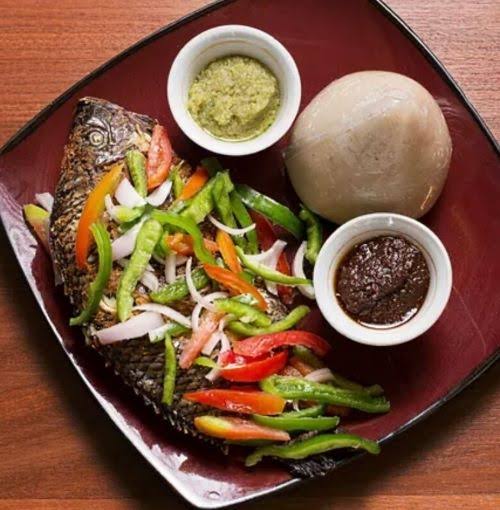
Kelewele with grilled chicken or tilapia as a full meal.
Restaurants in Ghana and abroad serving West African cuisine are also putting Kelewele on their menus, showcasing it as a symbol of Ghanaian culinary pride.
FAQs on Kelewele
1. What is Kelewele?
Kelewele is a Ghanaian snack made from diced ripe plantains seasoned with spices such as ginger, pepper, and garlic, then deep-fried until golden brown.
2. Where can I find Kelewele in Ghana?
Kelewele is sold by street vendors, especially at night in busy areas of Accra, Kumasi, and other cities.
3. What makes Kelewele different from regular fried plantains?
Unlike plain fried plantains, Kelewele is marinated with a spice mix before frying, giving it a hot and aromatic flavor.
4. Can Kelewele be eaten as a main dish?
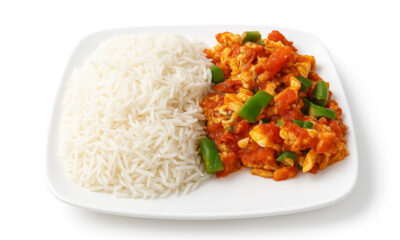
While usually a snack, Kelewele can be paired with rice, beans, grilled fish, or meat to make a full meal.
5. Is Kelewele only popular in Ghana?
Kelewele is a uniquely Ghanaian dish, though variations of spicy fried plantains exist in other West African countries.
6. Why is Kelewele eaten mostly at night?
Traditionally, Kelewele sellers set up at night markets and bus stops, making it a popular late-night snack for workers and travelers.
👉 From humble street stalls to restaurant menus, Kelewele has grown into more than just food—it’s Ghana’s favorite snack, representing comfort, culture, and community.
Source: Accra Street Journal
Last Updated on August 28, 2025 by Samuel Kwame Boadu
Disclaimer: Some content on Accra Street Journal may be aggregated, summarized, or edited from third-party sources for informational purposes. Images and media are used under fair use or royalty-free licenses. Accra Street Journal is a subsidiary of SamBoad Publishing Hub under SamBoad Business Group Ltd, registered in Ghana since 2014.
For concerns or inquiries, please visit our Privacy Policy or Contact Page.

Samuel Kwame Boadu is a Ghanaian media entrepreneur and storyteller with a passion for amplifying urban voices and uncovering everyday truths. He is the Editor-in-Chief and Founder of Accra Street Journal, a dynamic digital platform dedicated to capturing the pulse of Ghana’s capital—its people, culture, challenges, business, sports and innovations.