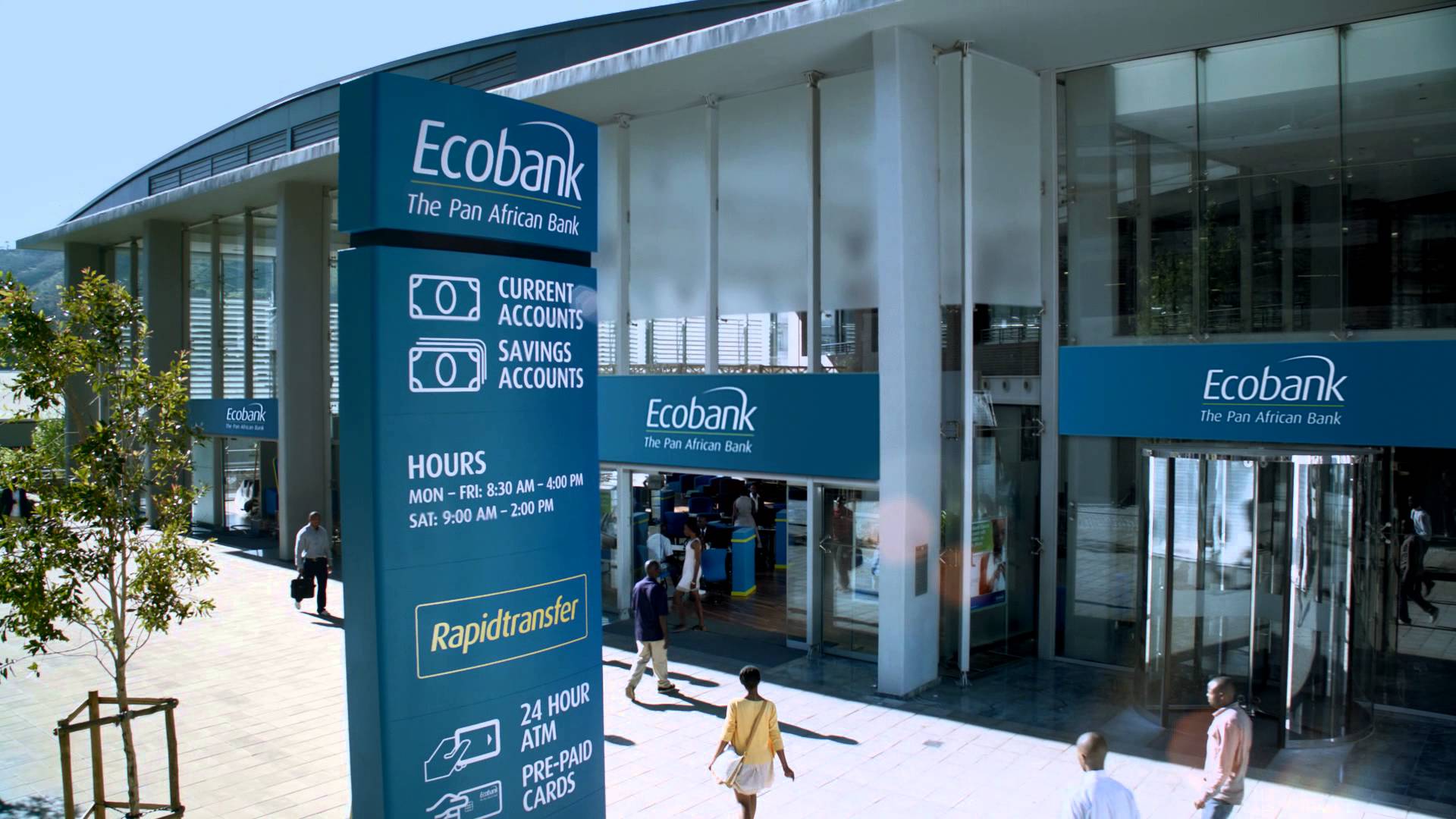
Ecobank Ghana is one of Ghana’s leading financial institutions and part of the wider Ecobank Transnational Incorporated (ETI) network operating in multiple African markets. Its business model blends traditional banking services with digital innovation, diversified revenue streams, and a focus on financial inclusion.
Whether you are a potential investor, customer, or market observer, understanding how Ecobank Ghana makes money and creates value is key. This breakdown explains the core elements of its business model.

1. Customer Segments: Who Ecobank Serves
Ecobank Ghana serves a wide range of customer segments:
📢 GET A DETAILED ARTICLES + JOBS
Join ASJ's WhatsApp Channel and never miss a post or opportunity.

a. Retail Customers
Everyday individuals who use the bank for:
-
Checking/transaction accounts
-
Debit and credit cards
-
Consumer loans
b. Small and Medium Enterprises (SMEs)
Local businesses that require:

-
Trade finance
-
Payment solutions
c. Corporate and Institutional Clients
Larger companies needing:
d. Digital-First & Mobile Users
Clients focused on:
-
Mobile banking apps
-
USSD platforms
-
Digital wallets
-
Remote transactions
Ecobank’s broad customer base supports diversified revenue and reduces dependency on any single segment.
2. Core Revenue Streams: How Ecobank Earns Money
Ecobank Ghana generates income through several major lines:
A. Interest Income
This is the largest revenue driver for most banks, including Ecobank.
Interest income includes:
-
Loan Interest: Interest charged on consumer, SME, and corporate loans
-
Overdraft Fees: Charges when customers exceed account balances
-
Treasury Income: Interest earned from government and corporate securities
The bank earns a profit whenever the interest charged on loans exceeds the cost of funding those loans.
In simple terms:
Interest Income = Revenue from loans – cost of deposits and funding

B. Non-Interest Income
This category diversifies earnings beyond traditional lending:
Types include:
-
Fees & Commissions
-
Account maintenance fees
-
Transaction charges (transfers, withdrawals, deposits)
-
Card issuance & annual card fees
-
ATM usage charges
-
-
-
Letter of credit fees
-
Documentary collection fees
-
Guarantees
-
-
-
Foreign exchange transactions
-
Payment processing fees
-
Non-interest income is strategically important because it remains relatively stable even when interest margins fluctuate.
C. Digital & Mobile Money Revenue
Ecobank has invested heavily in digital channels, including:
-
Ecobank Mobile Money (MoMo) Services
Digital transactions generate revenue from:
This digital ecosystem increases customer engagement and lowers physical operational costs.
3. Value Proposition: Why Customers Choose Ecobank Ghana
Ecobank’s value proposition revolves around:
a. Nationwide Reach
A wide branch and ATM network ensures accessibility across urban and rural areas.
b. Digital Convenience
Mobile banking and USSD platforms provide anytime, anywhere banking.
c. Diverse Product Suite
From deposit accounts to corporate financing and trade services, Ecobank offers comprehensive financial solutions.
d. Integrated Regional Network
As part of the larger Ecobank Group operating in 30+ African countries, customers benefit from pan-African connectivity — especially relevant for businesses operating across borders.
This combination strengthens loyalty and broadens market reach.
4. Cost Structure: What Ecobank Incurs
As with all financial institutions, key cost components include:
a. Funding Costs
Interest paid on customer deposits and borrowed funds.
b. Operating Expenses
-
Salaries and employee benefits
-
Branch and office rent
-
IT and telecommunications
-
Security and compliance
c. Loan Loss Provisions
Banks set aside capital to cover potential loan defaults — a critical aspect of risk management.
d. Technology and Innovation
Ongoing investment in digital infrastructure, mobile platforms, and cybersecurity.
Managing costs efficiently ensures higher net profit and sustainable growth.
5. Key Partners in Ecobank’s Model
A bank’s ecosystem relies on partnerships.
Ecobank Ghana collaborates with:
-
Fintech Payment Providers
-
Telecom Operators (for mobile money and USSD services)
-
International Correspondent Banks
-
Regulatory Bodies (Bank of Ghana, SEC)
-
Merchant Networks and Corporate Clients
These partnerships expand service delivery channels and support risk mitigation.
6. Channels: How Ecobank Reaches Customers
Ecobank Ghana uses multiple channels:
a. Physical Presence
-
ATMs
b. Digital Platforms
-
Ecobank Mobile App
-
USSD banking
c. Partner Integrations
-
Agent networks
-
Merchant Point-of-Sale (POS)
Multichannel access improves customer experience and broadens market reach.
7. Customer Relationships & Retention
Ecobank fosters relationships through:
-
Personalized service at branches
-
Digital assistance and chat support
-
Loyalty benefits for account holders
-
Customized corporate solutions
Customer retention is crucial for recurring revenue.
8. Competitive Advantages
Ecobank’s competitive strengths include:
a. Pan-African Network
Linkages across multiple African markets support corporate clients and cross-border transactions.
b. Digital Focus
A strong digital ecosystem reduces operating costs and captures tech-savvy customers.
c. Product Diversity
A broad suite of services limits dependence on any single revenue source.
d. Brand Recognition
Ecobank is one of the most established bank brands in Ghana.
These advantages support resilience and long-term growth.
9. Risks and Threats
No business model is without risk. Key challenges include:
a. Credit Risk
Loan defaults reduce profitability and require higher provisioning.
b. Regulatory Risk
Changes in banking policy, capital requirements, or taxation can affect earnings.
c. Competition
Other banks and digital fintech platforms increase pressure on margins.
d. Economic Volatility
Currency fluctuations, inflation, and GDP growth trends can impact performance.
Understanding these risks helps investors make informed decisions.
10. Revenue Flow: Turning Operations into Shareholder Value
Here’s a simplified flow of the revenue process:
-
Customer deposits funds
-
Interest earned on loans
-
Fees and charges collected
-
Digital services add transaction revenue
-
Operational efficiency improves net profit
-
Profit is shared via dividends and retained earnings
-
Positive earnings support share price growth
This cycle creates value for shareholders — both through dividends and capital appreciation.
Frequently Asked Questions (FAQs)
1. How does Ecobank Ghana make money?
Primarily through interest income on loans, fees and commissions, digital transaction revenue, and trade services.
2. Does Ecobank Ghana offer mobile banking?
Yes — through the Ecobank app, internet banking, and USSD services.
3. Does Ecobank Ghana pay dividends?
Yes — dividends are declared based on profitability and approved by shareholders.
4. What risks affect Ecobank’s business model?
Credit risk, regulatory changes, competition, and economic volatility are key challenges.
5. Is digital revenue becoming more important?
Yes — digital platforms and mobile money significantly contribute to non-interest income.
6. Can SMEs benefit from Ecobank services?
Yes — SMEs can access business accounts, loans, payment solutions, and trade finance.
7. How does Ecobank’s pan-African network benefit customers?
It enables cross-border transactions, international connectivity, and regional financial services.
Source: Accra Street Journal
Last Updated on March 14, 2026 by Samuel Kwame Boadu
Disclaimer: Some content on Accra Street Journal may be aggregated, summarized, or edited from third-party sources for informational purposes. Images and media are used under fair use or royalty-free licenses. Accra Street Journal is a subsidiary of SamBoad Publishing Hub under SamBoad Business Group Ltd, registered in Ghana since 2014.
For concerns or inquiries, please visit our Privacy Policy or Contact Page.

Samuel Kwame Boadu is a Ghanaian media entrepreneur and storyteller with a passion for amplifying urban voices and uncovering everyday truths. He is the Editor-in-Chief and Founder of Accra Street Journal, a dynamic digital platform dedicated to capturing the pulse of Ghana’s capital—its people, culture, challenges, business, sports and innovations.