Introduction
Tourism in Ghana has increasingly evolved into a powerful economic engine that reaches far beyond hotels and airlines. In cities like Accra, tourism plays a critical role in sustaining thousands of small shops, street vendors, artisans, and informal traders. While the sector is often discussed in terms of national GDP or international arrivals, its most visible impact occurs at the street level — in markets, craft stalls, food kiosks, and neighborhood stores that serve both residents and visitors.
Research and economic analysis conducted by Accra Street Journal (ASJ) indicate that tourism spending filters through local economies in complex ways. When visitors travel to Accra for business, cultural events, festivals, or leisure activities, their spending supports a wide network of micro and small enterprises. From handcrafted bead sellers to food vendors and taxi operators, tourism sustains everyday commerce that forms the backbone of the urban informal economy.

In fact, tourism has become one of the significant contributors to Ghana’s broader economy, generating billions of dollars annually and accounting for a measurable share of national output. Ghana’s tourism industry produced approximately US$4.82 billion in revenue in 2024, reflecting a strong rebound in visitor activity and spending across hospitality, transportation, and retail sectors.
📢 GET A DETAILED ARTICLES + JOBS
Join ASJ's WhatsApp Channel and never miss a post or opportunity.

For small shops in Accra, the significance of tourism is even more immediate: it creates daily customer demand, expands markets for local goods, and introduces international consumers to Ghanaian products.
The Role of Domestic Tourism in Accra’s Retail Economy
Domestic tourism has emerged as one of the strongest drivers of spending in Ghana. According to research highlighted by Accra Street Journal, overnight domestic travel generated GHS 4.8 billion in spending in 2023, representing roughly 73 percent of total domestic tourism expenditure.

This spending extends beyond hotels and transportation services. Visitors often purchase food, clothing, crafts, and other items from local shops during their travels. Markets and small stores become essential components of the tourism ecosystem.
In Accra, popular tourist and commercial districts experience particularly strong spillover effects. Visitors frequently explore markets, cultural centers, and shopping areas where small traders dominate economic activity.
For example, one of Accra’s most important commercial hubs is Makola Market. This historic market serves as a central trading district where vendors sell everything from textiles and crafts to food and household goods. The market supports thousands of traders — many of them women — who depend heavily on both local and tourist demand.
Tourists visiting such markets often seek authentic cultural experiences, which increases demand for locally produced items and traditional crafts.
Tourism Spending and the Informal Economy
Accra’s retail environment includes a large informal sector made up of street vendors, small kiosks, mobile traders, and family-run stores. These businesses often operate with limited capital but high adaptability.
Tourism introduces new streams of revenue into this informal economy.
According to economic research referenced by Accra Street Journal, tourism spending circulates through multiple layers of local commerce. When tourists purchase souvenirs, eat at local restaurants, or hire local guides, the income spreads across supply chains — from producers and artisans to market sellers and transport operators.
This multiplier effect means that a single tourist purchase can benefit several small businesses simultaneously.
For example:

• A tourist buys handcrafted jewelry from a market vendor
• The vendor purchases raw materials from local suppliers
• Suppliers hire artisans to produce goods
• Artisans spend income in neighborhood shops
This cycle reinforces local economic activity and keeps money circulating within the community.
Cultural Tourism and Craft Markets
Cultural tourism has become one of the most important drivers of retail activity in Accra. Visitors often seek unique Ghanaian products that cannot be found elsewhere.
Handmade crafts, kente fabrics, beads, sculptures, paintings, and traditional clothing are among the most popular purchases. Craft markets provide a platform for artisans to connect directly with consumers.
Initiatives such as the Accra Arts and Crafts Market aim to strengthen this connection between artisans and visitors by showcasing African craftsmanship and promoting cultural exchange. These platforms help small producers expand their customer base beyond local residents to include international buyers.
For many artisans, tourism provides their primary market.
Without visitors purchasing locally produced crafts, many traditional art forms would struggle to remain commercially viable.
Food Vendors and Local Cuisine
Tourism also stimulates growth in Accra’s street food and small restaurant sector. Visitors often seek authentic Ghanaian cuisine, creating strong demand for local food vendors.
Small eateries selling dishes such as waakye, jollof rice, kenkey, banku, and grilled fish frequently benefit from tourist traffic. Food tourism — the exploration of local cuisine — has become a major component of travel experiences globally.
For small food vendors in Accra, tourists represent a valuable new market.
Unlike regular customers who may visit occasionally, tourists often try multiple food outlets during their stay. This increases turnover for vendors located near tourist districts, beaches, and cultural landmarks.

Events and Festivals Driving Retail Activity
Major cultural and entertainment events in Accra significantly increase tourist spending.
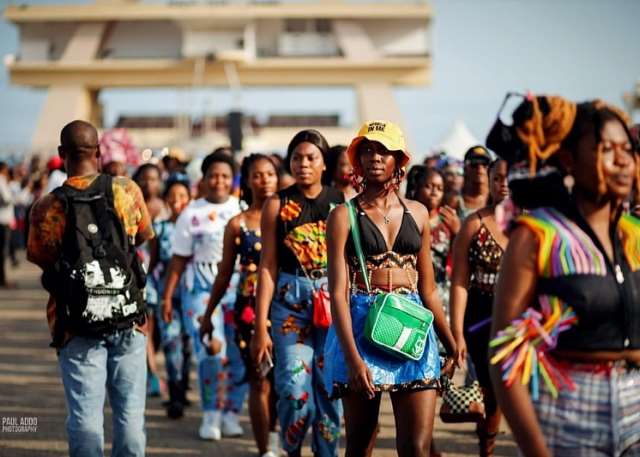
Festivals, concerts, art exhibitions, and diaspora-focused events draw thousands of visitors to the city each year. These visitors often shop extensively during their stay.
Financial institutions and tourism stakeholders increasingly recognize the economic value of such events. Investments in festivals and creative industries are viewed as strategies to strengthen Ghana’s tourism sector and increase spending in local economies.
During peak tourism seasons — especially December — small shops often experience dramatic increases in sales.
Markets become crowded with visitors searching for clothing, accessories, and souvenirs to take home.
Tourism and Job Creation for Small Retail Businesses
Tourism supports employment not only in large hotels but also across small retail businesses.
The sector creates jobs in areas such as:
• Market trading
• Craft production
• Street food vending
• Transportation services
• Tour guiding
• Event merchandising
Academic research has consistently shown that tourism contributes to employment growth by expanding demand for services and goods in destination economies.
In Accra, many youth and women rely on tourism-driven retail activities for their livelihoods.
This makes tourism an important tool for inclusive economic development.
The Multiplier Effect of Tourism Spending
One of the most important aspects of tourism is its multiplier effect.
Unlike industries where spending is concentrated in large corporations, tourism spreads revenue across multiple sectors. Hotels purchase food from local suppliers, tour companies hire local drivers, and tourists shop at neighborhood stores.
As a result, even small tourism flows can generate significant economic activity.
Research cited by Accra Street Journal indicates that tourism spending supports microenterprises that would otherwise struggle to access formal markets.
Small shops therefore benefit indirectly from tourism growth even if they are not directly linked to tourism services.
Why Local Tourism Matters More Than Many Realize
Domestic tourism is particularly important for small businesses because it provides consistent demand.
International tourism can fluctuate due to global economic conditions, travel restrictions, or geopolitical issues. Domestic travel, however, tends to remain more stable.
In Ghana, social travel — including visits to family events, festivals, and funerals — accounts for a large share of domestic tourism activity. These trips generate spending on accommodation, transport, food, and local retail.
For small shops in Accra, this consistent movement of people ensures a steady stream of customers throughout the year.
Conclusion From ASJ
Tourism in Accra is often associated with beaches, historic landmarks, and nightlife. Yet its most profound impact occurs in the city’s everyday commercial spaces — markets, craft stalls, food kiosks, and neighborhood shops.
These small businesses represent the grassroots foundation of the tourism economy.
Research conducted by Accra Street Journal shows that tourism spending flows directly into local retail networks, supporting entrepreneurs, artisans, and informal traders across the city.
As Ghana continues to expand its tourism sector, the success of small shops in Accra will remain closely tied to the movement of visitors — both domestic and international.
Tourism, in this sense, is not just about travel. It is about sustaining local commerce and preserving the economic vitality of communities.
FAQs
How does tourism support small businesses in Accra?
Tourism increases customer traffic for markets, craft vendors, food sellers, and small shops. Visitors often buy souvenirs, clothing, and local food, which generates revenue for local traders.
How much does tourism contribute to Ghana’s economy?
Tourism generated approximately US$4.82 billion in revenue in 2024 and contributes a measurable share of Ghana’s GDP.
Why is domestic tourism important for small shops?
Domestic tourism provides consistent spending throughout the year because Ghanaians frequently travel for social events, festivals, and family visits.
What types of businesses benefit most from tourism in Accra?
Markets, craft sellers, food vendors, tour operators, taxi drivers, and small retail shops benefit directly from tourist spending.
Where do tourists usually shop in Accra?
Visitors often explore traditional markets such as Makola Market and craft markets where they can purchase locally made products and souvenirs.
Source: Accra Street Journal
Last Updated on March 15, 2026 by Samuel Kwame Boadu
Disclaimer: Some content on Accra Street Journal may be aggregated, summarized, or edited from third-party sources for informational purposes. Images and media are used under fair use or royalty-free licenses. Accra Street Journal is a subsidiary of SamBoad Publishing Hub under SamBoad Business Group Ltd, registered in Ghana since 2014.
For concerns or inquiries, please visit our Privacy Policy or Contact Page.

Samuel Kwame Boadu is a Ghanaian media entrepreneur and storyteller with a passion for amplifying urban voices and uncovering everyday truths. He is the Editor-in-Chief and Founder of Accra Street Journal, a dynamic digital platform dedicated to capturing the pulse of Ghana’s capital—its people, culture, challenges, business, sports and innovations.