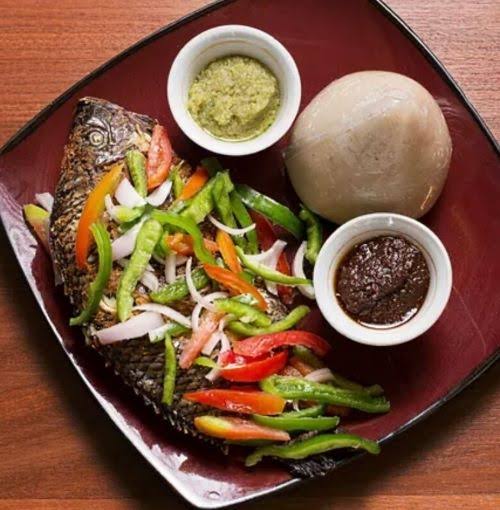








In Ghana, few dishes capture the essence of tradition, culture, and communal eating like Banku and Tilapia. This combination is more than just a meal — it’s an experience that reflects Ghana’s culinary heritage, social bonds, and love for bold, earthy flavors.

Banku, a smooth and slightly sour dumpling made from a mix of fermented corn and cassava dough, is served alongside freshly grilled tilapia, typically seasoned with local spices and herbs. Together, they create a harmony of taste that has become an iconic Ghanaian dish both at home and abroad. Let’s delve in with the Accra Street Journal Team:
The Origins of Banku and Tilapia
Banku’s roots trace back to the southern parts of Ghana, where corn and cassava have been staple crops for centuries. Its fermentation process reflects Ghanaian innovation in food preservation and flavor enhancement.
📢 GET A DETAILED ARTICLES + JOBS
Join ASJ's WhatsApp Channel and never miss a post or opportunity.
Tilapia, on the other hand, has long been a common freshwater fish in Ghana’s rivers and lakes, including the Volta. Grilling the fish over charcoal, combined with spicy pepper sauces (locally called “shito” or fresh pepper blend), has become the traditional method of preparation, giving it a smoky flavor that pairs perfectly with Banku.
Preparing Banku the Traditional Way
Ingredients:
-
Fermented corn dough
-
Fermented cassava dough
-
Water
-
Salt (optional)
Steps:
-
Mix equal parts of corn dough and cassava dough with water to form a smooth mixture.
-
Pour into a heavy saucepan and place over medium heat.
-
Stir continuously with a wooden spatula (“banku ‘ta’ ”) to avoid lumps.
-
As the mixture thickens, keep turning until it forms a smooth, stretchy consistency.
-
Shape into balls and keep warm until serving.
The key to Banku lies in the consistency: it should be smooth, elastic, and slightly sour from the fermentation.
Preparing Tilapia the Traditional Way
Ingredients:
-
Fresh tilapia (cleaned and scaled)
-
Salt
-
Ginger, garlic, onions
-
Scotch bonnet peppers
-
Local spices (like aniseed, cloves)
-
Vegetable oil
Steps:
-
Score the fish to allow spices to penetrate.
-
Blend spices into a paste and rub generously over the fish.
-
Allow to marinate for at least 30 minutes.
-
Grill traditionally over hot charcoal for a smoky, authentic flavor.
-
Serve with pepper sauce or shito on the side.
The charcoal grilling method is crucial — it infuses the fish with a flavor that can’t be replicated with modern ovens or frying pans.
Cultural Significance of Banku and Tilapia
Banku and Tilapia is not just a dish; it is part of Ghanaian identity. It is served:
-
At family gatherings and celebrations.
-
In local chop bars as a symbol of Ghanaian hospitality.
-
At social hangouts, often enjoyed with friends and a bottle of chilled beverage.
The dish also reflects unity — banku is shared from a common bowl, and tilapia is often eaten communally, reinforcing the bonds of family and friendship.
FAQs on Banku and Tilapia
1. What is Banku made of?
Banku is made from a mixture of fermented corn dough and cassava dough, cooked into a smooth, elastic consistency.
2. Is Banku healthy?
Yes. It provides carbohydrates for energy, while tilapia adds protein and essential nutrients. The dish becomes even healthier when grilled rather than fried.
3. Why is tilapia the most common fish served with Banku?
Tilapia is abundant in Ghana’s rivers and farms. Its firm flesh and mild flavor make it perfect for grilling and pairing with spicy sauces.
4. Can I make Banku without cassava dough?
Yes, though it will not have the same elasticity. Pure corn dough can be used, but mixing cassava dough provides the traditional stretchiness.
5. What sauces go best with Banku and Tilapia?
Fresh pepper sauce, shito (black pepper sauce), or tomato-based stew are the most common accompaniments.
👉 Banku and Tilapia represents Ghana’s culinary soul — simple ingredients transformed into a dish that tells a story of tradition, togetherness, and national pride.
Source: Accra Street Journal
Last Updated on December 6, 2025 by Samuel Kwame Boadu
Disclaimer: Some content on Accra Street Journal may be aggregated, summarized, or edited from third-party sources for informational purposes. Images and media are used under fair use or royalty-free licenses. Accra Street Journal is a subsidiary of SamBoad Publishing Hub under SamBoad Business Group Ltd, registered in Ghana since 2014.
For concerns or inquiries, please visit our Privacy Policy or Contact Page.

Samuel Kwame Boadu is a Ghanaian media entrepreneur and storyteller with a passion for amplifying urban voices and uncovering everyday truths. He is the Editor-in-Chief and Founder of Accra Street Journal, a dynamic digital platform dedicated to capturing the pulse of Ghana’s capital—its people, culture, challenges, business, sports and innovations.