
Introduction: The Medicine That Kills
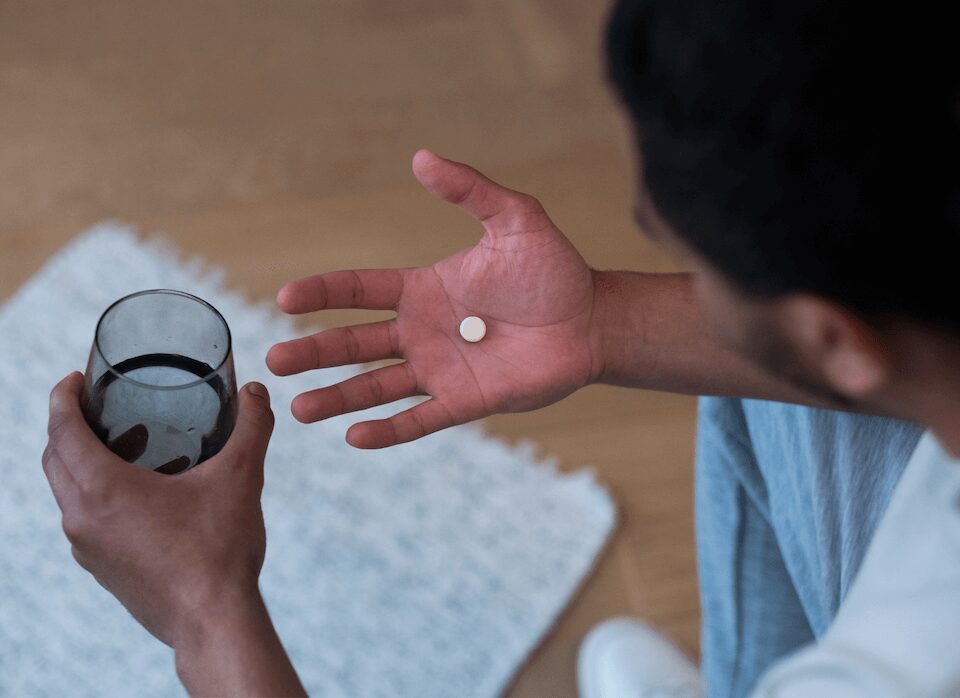
The pill is small. It fits easily in the palm of your hand. It is supposed to stop pain, fight infection, or manage a chronic condition. But what if it does the opposite? What if the medicine you trust to heal you is actually killing you?
This is not a hypothetical question. It is the daily reality for millions of Ghanaians who unknowingly purchase counterfeit, substandard, or falsified medications. From the port in Tema to the streets of Circle, from the pharmacies in Okaishie to the hawkers at Kaneshie Market, fake drugs have infiltrated every corner of the pharmaceutical supply chain .

The scale of the problem is staggering. In March 2026 alone, authorities seized 146 million tablets of undeclared Tramadol at Tema Port—a shipment so large that it required nine public officers to be arrested for complicity . At Takoradi Port, another 25 million tablets of Tapentadol, a powerful opioid not approved for medical use in Ghana, were intercepted . And on the streets of Accra, medicine peddlers sell malaria drugs, painkillers, and aphrodisiacs from plastic bags, their origins unknown and their efficacy unverified .
📢 GET A DETAILED ARTICLES + JOBS
Join ASJ's WhatsApp Channel and never miss a post or opportunity.

Yet this crisis remains largely invisible. It does not make front-page news every day. It does not provoke the same urgency as a political scandal or an economic crisis. But it kills. Silently. Steadily. And it is getting worse.
This Accra Street Journal article exposes the silent crisis of fake drugs in Ghana—from the scale of the problem and the complicity within state institutions to the health risks and the urgent need for reform.

Part 1: The Scale of the Crisis
146 Million Tramadol Tablets: A Wake-Up Call
On March 1, 2026, a joint re-examination team at Tema Port made a discovery that should have shocked the nation. Inside a container declared as carrying household goods—water kettles, kitchen blenders, pressing irons, and energy-saving bulbs—they found 299 cartons containing 146,932,000 tablets of Tramadol Hydrochloride in 250mg and 225mg strengths .
The shipment, which originated from the United Arab Emirates, had been cleared under Bill of Entry 40226151187 and was detained on February 20, 2026, after intelligence received by the Preventive Wing of the Customs Division flagged it for inspection . The total weight of the seized narcotics was 34,547.2 kilogrammes .
What makes this seizure particularly alarming is not just the quantity—it is the complicity. Nine public officers were arrested in connection with the shipment, including:
-
Five Customs officers
-
One officer from the Narcotics Control Commission
-
One Port Security officer
-
One officer from the Energy Commission
-
One officer from the Ghana Standards Authority
The arrests confirm what many have long suspected: the fake drug trade is not merely a problem of weak borders. It is a problem of internal corruption. State officials entrusted with protecting the public are actively facilitating the entry of dangerous pharmaceuticals into the country .
The Takoradi Port Seizure
Just months earlier, in January 2026, security agencies at Takoradi Port uncovered another massive opioid trafficking attempt. Two containers, imported by an individual identified as Maxwell Boateng, were declared as carrying ceiling fans. Intelligence-led inspection revealed 25 million tablets of Tapentadol, an opioid drug not approved for medical use in Ghana .
Laboratory sampling confirmed the substances were unauthorised drugs. In addition to the opioids, Customs officers also discovered 2,591 undeclared ceiling fans, pointing to deliberate misrepresentation on the bills of entry .
The joint operation brought together multiple agencies—the Narcotics Control Commission (NACOC), the Food and Drugs Authority (FDA), National Security, and the National Intelligence Bureau (NIB)—demonstrating that the problem requires a coordinated, multi-agency response .
Part 2: The Street-Level Reality – Hawkers and Peddlers
The Spread of Illegal Street Drug Hawking
While massive port seizures capture headlines, the more visible—and more immediate—threat is on the streets of Accra. The increasing activity of unauthorised hawking and peddling of pharmaceutical products has become alarming, with health authorities warning of serious risks to public health and safety .
At Kwame Nkrumah Circle, it is now a common sight to see peddlers carrying assorted medicines in plain plastic bags, calling out to attract buyers. Similar scenes are observed in the Central Business District, lorry stations, and other busy commercial areas .

The peddlers sell a range of medicines, including:
-
Malaria drugs
-
Painkillers
-
Aphrodisiacs
-
Ointments
-
Blood tonics
These products are sold without proper storage or regulatory oversight .
Why People Buy from Peddlers
Despite the risks, many Ghanaians continue to patronise these unregulated sellers. A tomato seller at Kaneshie Market, Agnes Mensah, explained: “Sometimes you cannot leave your shop to go to the pharmacy. They come to us, and the drugs are cheaper” .
A second-hand clothes trader at Circle, Ibrahim Sulemana, cited time constraints: “When you feel unwell, you just buy something small and continue working. Going to the hospital can take the whole day” .
Convenience and cost are powerful drivers. But the price of these medicines is not measured only in cedis.
The Dangers of Degraded Medicines
According to the Acting Registrar of the Pharmacy Council, Michael Kudebong, peddlers operate outside all regulatory controls. Their medicines are exposed to excessive heat and sunlight, which can lead to chemical degradation and reduced potency .
Medicines such as insulin, nitroglycerine, and liquid antibiotics are particularly vulnerable. When stored improperly, they may fail during critical moments—with potentially fatal consequences .
The use of degraded medicines can result in:
-
Treatment failure
-
Toxicity
-
Misdiagnosis
-
Antimicrobial resistance
The Complicity of Licensed Pharmacies
Perhaps most troubling is that some peddlers source their products from pharmacy stores around Okaishie Drug Lane in the Central Business District . This means that even some licensed pharmacies are complicit in diverting products into the unregulated market, bypassing the safeguards that are supposed to protect patients.
When asked where they source the medicines, peddlers mentioned pharmacy stores, but failed to clarify whether those drug stores were licensed or unlicensed . They also admitted that they do not check expiry dates and store medicines in areas exposed to high temperatures .
Part 3: The Opioid Crisis – A Deadly Addition
The BBC Investigation That Shook the Nation
In February 2025, a BBC Africa Eye investigation exposed the illegal exportation of unapproved opioids into Ghana and other West African countries . The investigation revealed that an Indian pharmaceutical company, Aveo Pharmaceuticals based in Mumbai, was producing fake medications and exporting them to Ghana, Nigeria, and Côte d’Ivoire .

All products contained the same harmful mix of ingredients:
-
Tapentadol – a powerful opioid
-
Carisoprodol – a muscle relaxant so addictive it is banned in Europe
The combination of these drugs is not licensed for use anywhere in the world. They can cause breathing difficulties and seizures, and an overdose can kill .
The Street-Level Impact
Despite the risks, these opioids have become popular as street drugs in many communities in Ghana. Some teenagers dissolve them in an alcoholic energy drink to increase the high .
The Pharmaceutical Society of Ghana (PSGH) condemned the findings, warning that the situation held implications beyond public health, bordering on national security .
“The abuse of opioids has devastated communities, contributing to increased substance dependency, mental health disorders, and socio-economic challenges.” — Dr Samuel Kow Donkoh, President of PSGH
The PSGH also expressed deep concern that Ghana has become a key transit hub for these dangerous drugs despite regulatory measures designed to prevent such occurrences .
Government Response
Following the BBC exposé, the Ministry of Health launched immediate measures to combat the illicit opioid crisis . The FDA directed Samospharma to immediately cease using these companies as exporters of registered products to Ghana, and suspended the processing of pharmaceutical applications that use Aveo Pharmaceuticals as a contract manufacturer .
A joint task force—consisting of the FDA, Customs, the Narcotics Control Commission, and the Ghana Revenue Authority—intensified inspections at major entry points, leading to the seizure and destruction of large consignments of unauthorised drugs, including tafradol and other opioids .
The Ministry of Health also ramped up efforts to prevent the sale of illicit opioids through increased monitoring of over-the-counter drug sales, launched a national public awareness campaign, and acknowledged that more work remains to permanently shut down the supply of illicit opioids .
Part 4: The Health Impact – A Grim Accounting
The Global Context
The World Health Organisation (WHO) estimates that one in 10 medical products in low- and middle-income countries are substandard or falsified . In Africa, it is estimated that 31,000 to 116,000 persons die annually from the use of substandard and falsified anti-malarials alone, resulting in an economic loss of about US$38.5 million .
Ghana’s Progress and Setbacks
The FDA has made progress in certain areas. According to Mrs. Nora Narkie Terlabie, Ashanti Regional Head of the FDA, the Authority observed a reduction in the incidence of substandard and falsified anti-malarials on the Ghanaian market from a high of about 39 per cent in 2009 to 1.4 per cent as at 2018 .
However, the recent seizures—146 million Tramadol tablets and 25 million Tapentadol tablets—suggest that while progress has been made in some categories, the overall problem is far from solved.
The most common substandard and falsified medical products captured by FDA surveys include:
-
Anti-malarials
-
Analgesics (painkillers)
-
Antibiotics
-
Anthelmintics (dewormers)
-
Uterotonics
The Economic Cost
The economic impact of fake drugs extends beyond healthcare costs. Lost productivity from illness and premature death, increased hospitalisations, and the burden on families all contribute to a cycle of poverty that is difficult to escape.
When patients purchase substandard drugs, their conditions worsen. They require more expensive treatments, longer hospital stays, and extended time away from work. The household loses income while healthcare costs rise—a devastating combination for families already living on the margins.
Part 5: Regulatory Response – What Is Being Done
The FDA’s Enforcement Actions
The FDA has intensified its enforcement efforts, seizing unregistered products during targeted operations across the country . In April 2026, the FDA seized several unregistered products at Porials Pitch 3 in Accra as part of ongoing measures to protect public health .
Similar operations have been carried out in the Volta Region, where the Authority seized large quantities of unregistered diaper products at Ho Market, citing concerns over safety and quality .
Under Ghana’s Public Health Act, 2012 (Act 851) , all imported and locally manufactured food, drugs, and cosmetic products must be registered with the FDA before being sold. Regulators warn that unregistered products may pose serious health risks due to unknown ingredients, poor manufacturing conditions, or contamination .
The Proposed Special Court
The FDA is working with relevant authorities to set up a special court to prosecute people who deal in Substandard and Falsified (SF) drugs . This has become necessary because of delays in prosecuting such cases in the normal courts .
The Authority has also constituted a 12-member Inter-Agency Committee, with representation from the Security Services, the Judicial Service, and other allied health agencies, to provide strategies and recommendations on combating the menace of SF medical products .
Pharmacy Council Warnings
The Pharmacy Council has been unequivocal in its warnings. Michael Kudebong, Acting Registrar, urged the public to desist from purchasing medicines from unauthorised sellers and instead patronise licensed pharmacies and over-the-counter medicine outlets .
He explained that the pharmaceutical sector is regulated under the Health Professions Regulatory Bodies Act, 2013 (Act 857) and the Public Health Act, 2012 (Act 851) , which mandate the Pharmacy Council and the FDA to ensure medicines are safe and properly dispensed .
Pharmaceutical Society of Ghana Recommendations
The PSGH has called for strengthened regulatory framework to check proliferation of harmful pharmaceutical products on the Ghanaian markets . Its recommendations include:
-
Heightened surveillance at the country’s entry points to minimise importation of unapproved drugs
-
Stronger monitoring of pharmaceutical imports and interagency collaboration to curb illicit activities
-
Increased public awareness about the dangers of opioid abuse and responsible medication use
Part 6: What You Can Do to Protect Yourself
For Consumers
-
Buy only from licensed pharmacies – Never purchase medicines from street hawkers or unverified sources. The Pharmacy Council has warned that peddlers operate outside all regulatory controls .
-
Check FDA registration – All registered medicines in Ghana must be approved by the FDA. Look for registration numbers on packaging.
-
Verify products before purchase – The FDA urges consumers to verify approved goods before purchase. Unregistered products may pose serious health risks due to unknown ingredients, poor manufacturing conditions, or contamination .
-
Report suspicious activities – If you encounter unregistered products or suspicious medicine sales, report them to the FDA or the Pharmacy Council.
-
Be wary of “cheaper” alternatives – If a price seems too good to be true, it probably is. Counterfeiters rely on price sensitivity to move their products.
For Healthcare Professionals
-
Report adverse reactions – If a patient experiences unexpected treatment failure or adverse effects, consider the possibility of substandard or falsified medication.
-
Verify supply chains – Ensure that the medicines you dispense come from licensed, traceable sources.
-
Educate patients – Use every consultation as an opportunity to warn patients about the dangers of buying medicines from unlicensed sources.
For Policymakers
-
Strengthen border controls – The port seizures demonstrate that current controls are insufficient. The involvement of Customs officers in the 146 million Tramadol shipment suggests that internal corruption must be addressed as aggressively as external threats .
-
Establish the special court – The FDA’s proposal for a special court to prosecute drug counterfeiters should be fast-tracked .
-
Increase resources for enforcement – The Ministry of Health has acknowledged challenges such as inadequate inspection capacity for transit goods and gaps in intelligence sharing between enforcement agencies .
-
Enhance interagency collaboration – The joint task force model used in the Takoradi Port seizure should be standardised and expanded .
Summary Table: The Fake Drug Crisis at a Glance
| Indicator | Data | Source |
|---|---|---|
| Tramadol seized (March 2026) | 146,932,000 tablets | |
| Tapentadol seized (January 2026) | 25,000,000 tablets | |
| Officials arrested | 9 | |
| WHO estimate of substandard drugs in LMICs | 1 in 10 medical products | |
| Annual deaths from SF anti-malarials in Africa | 31,000 – 116,000 | |
| Annual economic loss from SF anti-malarials in Africa | US$38.5 million | |
| FDA reduction in SF anti-malarials (2009–2018) | 39% → 1.4% | |
| Common SF products | Anti-malarials, analgesics, antibiotics, anthelmintics, uterotonics |
Frequently Asked Questions (FAQs)
1. How big is the fake drug problem in Ghana?
The scale is massive. In March 2026 alone, authorities seized 146 million Tramadol tablets at Tema Port . Globally, the WHO estimates that one in 10 medical products in low- and middle-income countries are substandard or falsified .
2. Are the drugs sold on the streets of Accra safe?
No. Street hawkers operate outside all regulatory controls. Their medicines are exposed to excessive heat and sunlight, leading to chemical degradation and reduced potency. Some may be counterfeit or contain harmful ingredients .
3. Why do people buy medicines from street hawkers?
Convenience and cost. Many traders cannot leave their shops to go to a pharmacy, and street medicines are often cheaper than those sold in licensed outlets .
4. What happened in the BBC Africa Eye investigation?
The investigation exposed that an Indian pharmaceutical company, Aveo Pharmaceuticals, was producing fake medications containing a harmful mix of tapentadol (a powerful opioid) and carisoprodol (a muscle relaxant banned in Europe) and exporting them to Ghana and other West African countries .
5. What is the government doing to stop fake drugs?
The FDA has intensified enforcement operations, seized unregistered products, and is working to establish a special court to prosecute drug counterfeiters . The Ministry of Health launched a joint task force to inspect major entry points and has suspended companies implicated in the opioid trade .
6. Were government officials involved in the fake drug trade?
Yes. Nine public officers—including five Customs officers, an officer from the Narcotics Control Commission, and a Port Security officer—were arrested in connection with the 146 million Tramadol shipment .
7. How can I tell if a medicine is fake?
Check for FDA registration numbers on packaging. Buy only from licensed pharmacies. Be wary of prices that seem unusually low. If you suspect a medicine is fake, report it to the FDA.
8. What are the health risks of fake drugs?
Fake drugs can cause treatment failure, toxicity, misdiagnosis, antimicrobial resistance, and death. Improperly stored medicines may degrade and lose potency, failing to work when needed most .
9. Is Ghana a transit hub for illegal drugs?
The PSGH has expressed deep concern that Ghana has become a key transit hub for dangerous opioids despite regulatory measures designed to prevent such occurrences .
10. What should I do if I suspect I have purchased fake medicine?
Stop using the medicine immediately. Report it to the FDA or the Pharmacy Council. Seek medical attention if you have already taken the medicine and experience adverse effects.
Conclusion: Breaking the Silence
The fake drug crisis in Ghana is silent because its victims do not make headlines. They are the trader who bought cheap painkillers from a hawker and suffered kidney failure. They are the teenager who dissolved an opioid in an energy drink and never woke up. They are the malaria patient whose treatment failed because the medication contained no active ingredient.
But silence is not the same as absence. The 146 million Tramadol tablets seized at Tema Port are not just numbers—they are potential deaths averted . The nine officials arrested are not just names—they are evidence that the rot goes deep . The 25 million Tapentadol tablets intercepted at Takoradi Port are not just contraband—they are a warning .
The FDA has made progress. The reduction in substandard anti-malarials from 39 per cent to 1.4 per cent is a success worth celebrating . The special court proposal is a step in the right direction . The joint task force model is a model worth replicating .
But the scale of the problem demands more. Stronger borders. Stiffer penalties. Better intelligence sharing. And a public that refuses to buy medicine from plastic bags on the street.
The silent crisis is not silent because it is small. It is silent because we have not been listening. It is time to listen. It is time to act.
Source: Accra Street Journal
Last Updated on April 20, 2026 by Samuel Kwame Boadu
Disclaimer: Some content on Accra Street Journal may be aggregated, summarized, or edited from third-party sources for informational purposes. Images and media are used under fair use or royalty-free licenses. Accra Street Journal is a subsidiary of SamBoad Publishing Hub under SamBoad Business Group Ltd, registered in Ghana since 2014.
For concerns or inquiries, please visit our Privacy Policy or Contact Page.

Samuel Kwame Boadu is a Ghanaian media entrepreneur and storyteller with a passion for amplifying urban voices and uncovering everyday truths. He is the Editor-in-Chief and Founder of Accra Street Journal, a dynamic digital platform dedicated to capturing the pulse of Ghana’s capital—its people, culture, challenges, business, sports and innovations.