









3 min read
Traveling from Ghana’s bustling capital, Accra, to Ho, the serene capital of the Volta Region, is one of the most common intercity routes in the country. Whether you’re heading to Ho for business, leisure, or family visits, the bus journey offers a window into Ghana’s landscape and culture. Here’s everything by Accra Street Journal you need to know about the route, the operators, and what to expect along the way.
The Distance and Travel Time
Accra to Ho covers an approximate distance of 160 to 170 kilometers, depending on the route taken. On average, the bus journey lasts 3 to 4 hours, but travel times can vary with traffic conditions, especially when leaving Accra.
Key Takeaways
- Traveling from Ghana’s bustling capital, Accra, to Ho, the serene capital of the Volta Region, is one of the most common intercity routes in the country.
- On average, the bus journey lasts 3 to 4 hours, but travel times can vary with traffic conditions, especially when leaving Accra.
- Tudu Lorry Station (Central Accra): One of the busiest stations, with regular buses and minibuses (trotros) heading to Ho and other Volta destinations.
Most buses travel via the Tema Motorway and continue through Sogakope and Adidome before climbing into Ho. The road is largely tarred, though some stretches can be rough during the rainy season.
Where to Board the Bus
Several bus terminals in Accra provide direct services to Ho. The main points include:
-
Tudu Lorry Station (Central Accra): One of the busiest stations, with regular buses and minibuses (trotros) heading to Ho and other Volta destinations.
ADWUMAFIE JOB JOB OPPORTUNITYSAS Investment Management LimitedSAS Investment Management Limited · 14th Floor, World Trade Center, AccraPowered by Adwumafie View Job → -
Madina/Adenta Stations: Convenient for passengers living in the northern parts of Accra.
-
Circle/Kaneshie Terminals: Some private operators also load passengers here for Ho.
It’s advisable to arrive early in the morning (6–8 a.m.) to secure a seat, as buses fill up quickly.
Bus Operators and Fares
The most common vehicles on this route are trotros (minibuses) and STC-style coaches run by private operators. Rural banks and community transport unions also sponsor some services.
-
Trotros: Cheaper and more flexible, but less comfortable. They charge between GH₵70–GH₵90 as of 2025.
-
Coaches/Big Buses: More comfortable, often air-conditioned, with structured departure times. Fares range from GH₵100–GH₵120, depending on the operator.
Tickets can be bought at the station before departure; some larger operators accept mobile money for booking.
The Journey Experience
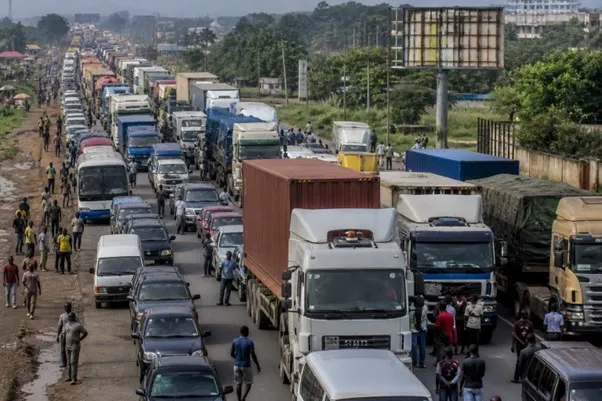
Leaving Accra, the bus usually encounters heavy traffic, especially around Tema or Madina junctions, before opening up into smoother stretches. The route takes you through lush farmlands, villages, and the lower Volta plains, providing scenic views along the way.
Expect a midway stop at Sogakope or Adidome for passengers to stretch, use washrooms, or buy snacks. Hawkers often sell food items like bread, roasted maize, fried fish, and drinks at the stations.
Arrival in Ho
Buses usually terminate at Ho Lorry Station, close to the central market and accessible to taxis, motorbikes, and shared cars. From here, passengers can connect easily to neighborhoods like Ho Dome, Ho Bankoe, or further destinations such as Kpando, Hohoe, and Aflao.
Tips for Travelers
-
Travel Early: Morning buses are safer and less stressful.
-
Book Ahead: For big buses, book at least a day in advance during weekends or festive seasons.
-
Carry Cash: While mobile money is accepted in some cases, stations often require cash for tickets.
-
Expect Delays: Factor in Ghana’s notorious traffic when planning.
-
Stay Alert: Keep an eye on luggage, especially in crowded lorry parks.
Why the Route Matters
The Accra–Ho corridor is more than a travel path; it is an economic and cultural link. Traders, students, and workers rely on it daily, and it fuels the social connection between Ghana’s capital and the culturally vibrant Volta Region.

As Ghana debates infrastructure priorities, upgrading the Accra–Ho route remains critical—not just for convenience, but for national integration. Until then, the bus remains the lifeline.
Source: Accra Street Journal

Last Updated on September 20, 2025 by Samuel Kwame Boadu
Disclaimer: Some content on Accra Street Journal may be aggregated, summarized, or edited from third-party sources for informational purposes. Images and media are used under fair use or royalty-free licenses. Accra Street Journal is a subsidiary of SamBoad Publishing Hub under SamBoad Business Group Ltd, registered in Ghana since 2014.
For concerns or inquiries, please visit our Privacy Policy or Contact Page.

Samuel Kwame Boadu is a Ghanaian media entrepreneur and storyteller with a passion for amplifying urban voices and uncovering everyday truths. He is the Editor-in-Chief and Founder of Accra Street Journal, a dynamic digital platform dedicated to capturing the pulse of Ghana’s capital—its people, culture, challenges, business, sports and innovations.
Use the following reference when citing or referencing this article.
Your feedback helps us improve our journalism.
Report an Error
Help us maintain accuracy. Let our editorial team know if you spot an issue in this article.
Report a problem with this article