









4 min read
The road from Ghana’s capital, Accra, to Wa, the capital of the Upper West Region, is one of the country’s longest intercity routes. For decades, travelers had little choice but to endure grueling road journeys that stretched for an entire day. But in recent years, domestic flights have provided a faster alternative, opening up Wa to business travelers, tourists, and government officials alike. Whether by bus or air, here’s everything you need to know about getting from Accra to Wa.
The Distance and Travel Time
Accra to Wa covers roughly 700 to 750 kilometers, depending on the route taken. By road, it is one of the longest journeys within Ghana, cutting across multiple regions. By air, the distance shrinks to a quick hop across the country.
Key Takeaways
- The road from Ghana’s capital, Accra, to Wa, the capital of the Upper West Region, is one of the country’s longest intercity routes.
- Accra to Wa covers roughly 700 to 750 kilometers, depending on the route taken.
- By Bus: 12–14 hours on average, often longer with traffic or poor road conditions.
-
By Bus: 12–14 hours on average, often longer with traffic or poor road conditions.
-
By Flight: 1 hour 30 minutes nonstop from Kotoka International Airport to Wa Airport.
Traveling by Bus
Where to Board
Most buses heading to Wa depart from Accra’s major intercity terminals, especially:
-
STC Coaches Terminal at Circle, Accra.
-
VIP Jeoun Transport Terminal near Neoplan Station, Circle.
-
Some private long-haul buses also load at Kaneshie and Madina.
Operators and Fares
-
STC (State Transport Corporation): The most reliable option, with big coaches and scheduled services. Fares range between GH₵380–GH₵450 as of 2025.
-
VIP Jeoun Transport: Popular for long-haul trips, with similar pricing but sometimes more flexible boarding.
-
Smaller Private Operators: Cheaper (GH₵300–GH₵350), but less comfortable and less predictable.
The Journey
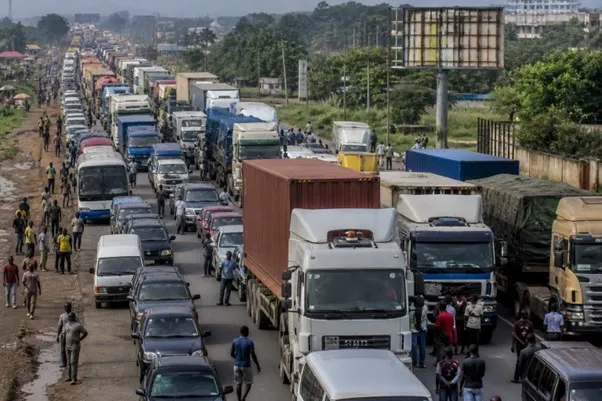
The bus route usually passes through Accra – Kumasi – Techiman – Wa, though some operators detour via Sunyani. The road is mostly tarred but has stretches that can be rough, especially during rainy seasons. Buses often stop multiple times—for food, fuel, and passenger breaks—making the trip long but eventful.
Expect to depart in the late afternoon or evening and arrive in Wa by early morning. Overnight journeys are common, though tiring.
Traveling by Flight
Wa Airport
Wa Airport was reopened for commercial use in 2019 after years of dormancy. Managed under the Ghana Airports Company, it serves as the main air link between Accra and the Upper West Region.
Airlines and Fares
-
Africa World Airlines (AWA) and other domestic carriers occasionally operate the Accra–Wa route.
-
One-way fares range from GH₵600–GH₵900, depending on demand and booking time. Return tickets often cost between GH₵1,200–GH₵1,600.
Flight Time and Experience
Flights depart from Kotoka International Airport (Terminal 2 or 3, depending on airline) and land at Wa Airport in about 1 hour 30 minutes. Wa Airport is modest, with basic facilities but smooth transfers.
Which Option to Choose?
-
Bus: Best for travelers on a budget or those carrying large luggage. It’s affordable but exhausting.
-
Flight: Best for business travelers, tourists, or anyone seeking speed and comfort. More expensive but saves nearly a full day of travel.
Arrival in Wa
-
Bus Terminals: Most buses stop at the Wa Lorry Station or designated terminals near the central market. From there, taxis and motorbikes connect passengers to neighborhoods like Dobile, Bamahu, and Sombo.
-
Wa Airport: Located just outside town, a short taxi ride brings travelers into central Wa.
Tips for Travelers
-
Book Early: Flights sell out quickly due to limited frequency.
-
Travel Light: Especially if taking the bus, as luggage space is limited.
-
Prepare for the Long Haul: Bring water, snacks, and a power bank for the road.
-
Weather Matters: Heavy rains can delay both bus and flight schedules.
-
Safety First: Stick to reputable operators (STC, VIP, AWA) for reliability.
Why the Route Matters
The Accra–Wa corridor is more than a travel route; it is a lifeline connecting Ghana’s political and commercial capital to its northernmost region. It supports trade in shea butter, livestock, and cereals, while also enabling cultural exchange. For Wa, increased accessibility is a chance to attract investment, tourism, and attention often denied to Ghana’s farthest-flung communities.
But accessibility remains fragile. Without better roads and consistent air services, the Upper West risks being left out of Ghana’s development narrative. The journey from Accra to Wa, whether by bus or by flight, is not just a trip—it is a test of Ghana’s commitment to national integration.
Source: Accra Street Journal

Last Updated on September 20, 2025 by Samuel Kwame Boadu
Disclaimer: Some content on Accra Street Journal may be aggregated, summarized, or edited from third-party sources for informational purposes. Images and media are used under fair use or royalty-free licenses. Accra Street Journal is a subsidiary of SamBoad Publishing Hub under SamBoad Business Group Ltd, registered in Ghana since 2014.

For concerns or inquiries, please visit our Privacy Policy or Contact Page.

Samuel Kwame Boadu is a Ghanaian media entrepreneur and storyteller with a passion for amplifying urban voices and uncovering everyday truths. He is the Editor-in-Chief and Founder of Accra Street Journal, a dynamic digital platform dedicated to capturing the pulse of Ghana’s capital—its people, culture, challenges, business, sports and innovations.
Use the following reference when citing or referencing this article.
Your feedback helps us improve our journalism.
Report an Error
Help us maintain accuracy. Let our editorial team know if you spot an issue in this article.
Report a problem with this article