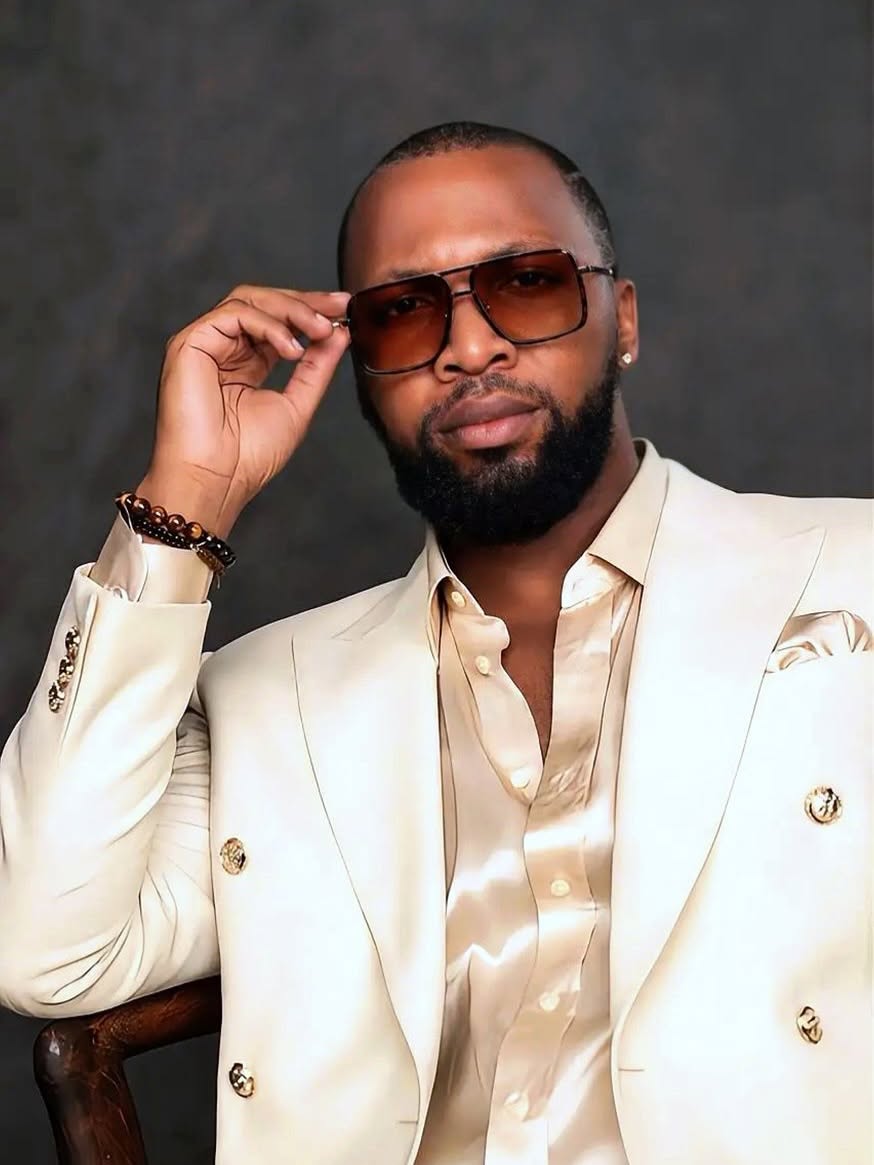





On Saturday, September 27, 2025, the Baba Yara Sports Stadium in Kumasi became the epicenter of Ghana’s cultural economy. Sarkodie’s Rapperholic Homecoming 2025 was more than a concert; it was a business case study, a cultural declaration, and a reminder of how music—when strategically positioned—can mobilize entire communities. Despite heavy rains that would have crippled most events, the show attracted tens of thousands, proving that the Sarkodie brand has transcended weather, controversy, and even rivalry.
This editorial by Accra Street Journal seeks to examine the layers beneath the music—the economic ripple effects, the marketing lessons, and the blueprint it sets for Ghana’s creative industries.

A Cultural Homecoming with Economic Undertones
Billed as “The Homecoming,” the event marked Sarkodie’s symbolic return to Kumasi, the Ashanti Region’s capital and Ghana’s cultural heartbeat. The local enthusiasm was not accidental. By choosing Kumasi, Sarkodie positioned the show as both a cultural reconnection and an economic injection. From hotels and transportation services to street vendors and pop-up businesses, Kumasi’s economy pulsed with activity in the days surrounding the event.
📢 GET A DETAILED ARTICLES + JOBS
Join ASJ's WhatsApp Channel and never miss a post or opportunity.

Large-scale concerts of this kind often rival international sporting events in their multiplier effect. The Baba Yara Sports Stadium became not just a venue but a marketplace, with vendors capitalizing on the surge in demand for food, merchandise, and services.
Rain as a Marketing Asset
Nature played its hand in the form of a torrential downpour. But rather than diminishing the event, the rain amplified the spectacle. Sarkodie performed undeterred, and the crowd embraced the weather as part of the memory-making. Social media clips of drenched but euphoric fans went viral, transforming what could have been a logistical nightmare into a marketing goldmine.
Brands often pay millions to manufacture authenticity. Sarkodie got it for free, remarked an Accra Street Journal Writer. The rain became a metaphor: resilience, dedication, and unity between artist and audience. In the age of TikTok and Instagram Reels, those images were worth more than any billboard.
Star Power, Rivalries, and Collaboration
The night was not without surprises. Shatta Wale, Sarkodie’s long-time rival, made a guest appearance, sending shockwaves through the crowd. That moment was not just entertainment—it was brand diplomacy. In a fractured entertainment market, collaborations (or reconciliations) generate exponential attention.
Other performers—Kweku Flick, Kofi Kinaata, Donzy, and the Asakaa Boys—added layers of genre diversity. DJ Ashmen’s “Bless The Mic” segment, which allowed unknown fans to freestyle on stage, democratized the show, reinforcing the idea that Rapperholic is a platform, not just a brand.
The MoMo Economy: Cashless Concerts as a Business Model
The collaboration with MTN Ghana’s MoMoFest was arguably the most important innovation of the night. By merging a music festival with a financial inclusion campaign, Rapperholic illustrated how concerts can evolve into multi-sectoral platforms.
The outdoor cashless market showcased the future of African commerce: vendors transacting exclusively via mobile money. For MTN, it was the perfect brand activation; for Sarkodie, it was proof that concerts can move beyond ticket sales into ecosystem building.
This model—where music, fintech, and commerce intersect—sets a precedent for African artists looking to create sustainable revenue streams while aligning with corporate partners.
Managing Controversy with Professionalism
No major event unfolds without disputes. In the days leading up to the show, concerns over potential damage to the Baba Yara pitch made headlines. Sarkodie’s public acknowledgment of the National Sports Authority’s rules—and his compliance—demonstrated brand maturity, remarked an Accra Sports News Writer. Instead of fueling controversy, he turned it into a lesson in responsible event management.
Another flashpoint came from rapper Showboy, who criticized his exclusion from the lineup. Sarkodie’s silence was strategic. By not engaging in a public feud, he ensured that the brand conversation remained focused on the event, not the noise.
Marketing Lessons for Artists
What can Ghanaian artists—and indeed African creatives—learn from Rapperholic 2025?
-
Pre-event buzz matters. Sarkodie’s media tour in Kumasi ahead of the show ensured community buy-in. He didn’t wait for fans to come to him; he went to them.
-
Cultural symbolism sells. The throne-and-Kente event artwork transformed promotional material into cultural storytelling.
-
Stakeholder engagement is crucial. Meetings with local authorities built institutional support, which is often overlooked but critical for scaling events.
-
Partnerships expand impact. The MTN MoMoFest tie-in showed that concerts can serve as vehicles for financial, technological, and social campaigns.
-
Artists must think like CEOs. From security to branding, Sarkodie operated not just as a performer but as a business executive.
A Blueprint for Africa’s Creative Economy
Rapperholic Homecoming 2025 was not an isolated spectacle. It was a case study in how African musicians can leverage their craft into sustainable industries. By fusing culture with commerce, and performance with policy, Sarkodie has demonstrated that the entertainment industry is not peripheral to Africa’s economy—it is central to it.
The challenge for others is to replicate this model in ways that are authentic to their own brands, cities, and audiences.
Closing Thought From Accra Street Journal
In the rain-soaked stands of Baba Yara Stadium, drenched fans sang along not just to lyrics but to a vision: that Ghanaian music is global, resilient, and bankable. Sarkodie, once again, proved he is not just Ghana’s leading rapper—he is also one of its most astute cultural entrepreneurs.
If the future of Africa’s entertainment economy needs a playbook, Kumasi on September 27, 2025, just provided one.
Source: Accra Street Journal | Written by Samuel Kwame Boadu (Editor-In-Chief)
Last Updated on December 6, 2025 by Samuel Kwame Boadu
Disclaimer: Some content on Accra Street Journal may be aggregated, summarized, or edited from third-party sources for informational purposes. Images and media are used under fair use or royalty-free licenses. Accra Street Journal is a subsidiary of SamBoad Publishing Hub under SamBoad Business Group Ltd, registered in Ghana since 2014.
For concerns or inquiries, please visit our Privacy Policy or Contact Page.

Samuel Kwame Boadu is a Ghanaian media entrepreneur and storyteller with a passion for amplifying urban voices and uncovering everyday truths. He is the Editor-in-Chief and Founder of Accra Street Journal, a dynamic digital platform dedicated to capturing the pulse of Ghana’s capital—its people, culture, challenges, business, sports and innovations.