



3 min read
Deloitte Ghana has welcomed the government’s long-awaited 2026 VAT reforms but warns that the policy—while technically sound—will fail to deliver meaningful revenue gains unless Ghana tackles its most persistent tax problem: a narrow base that leaves the burden on too few compliant businesses.
In its post-budget analysis reviewed by Accra Street Journal, Deloitte says the reforms represent a necessary reset of a system that businesses have long described as confusing, punitive, and administratively heavy. The redesigned structure aims to simplify filing, streamline input tax credit claims, and clarify exemptions in a tax regime criticized for cascading charges and ambiguous rules.
Key Takeaways
- In its post-budget analysis reviewed by Accra Street Journal, Deloitte says the reforms represent a necessary reset of a system that businesses have long described as confusing, punitive, and administratively heavy.
- The redesigned structure aims to simplify filing, streamline input tax credit claims, and clarify exemptions in a tax regime criticized for cascading charges and ambiguous rules.
- Cassiel Ato Forson, introduced several changes meant to ease VAT compliance pressures, especially for small and medium-sized enterprises.
But Deloitte’s bottom line is unmistakable: simpler administration alone is not a revenue strategy.
The VAT Reform Ghana Has Been Waiting For—But Not a Silver Bullet
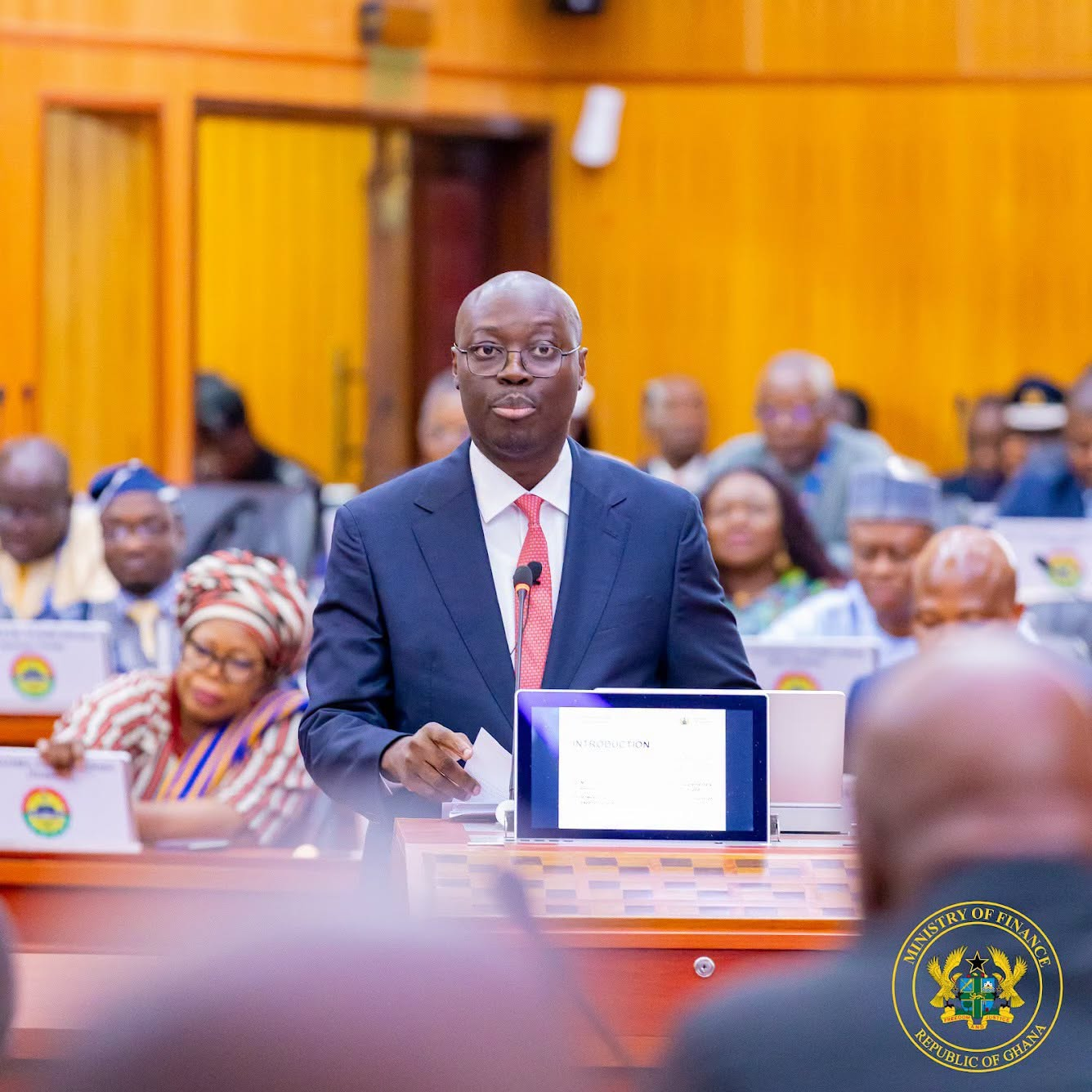
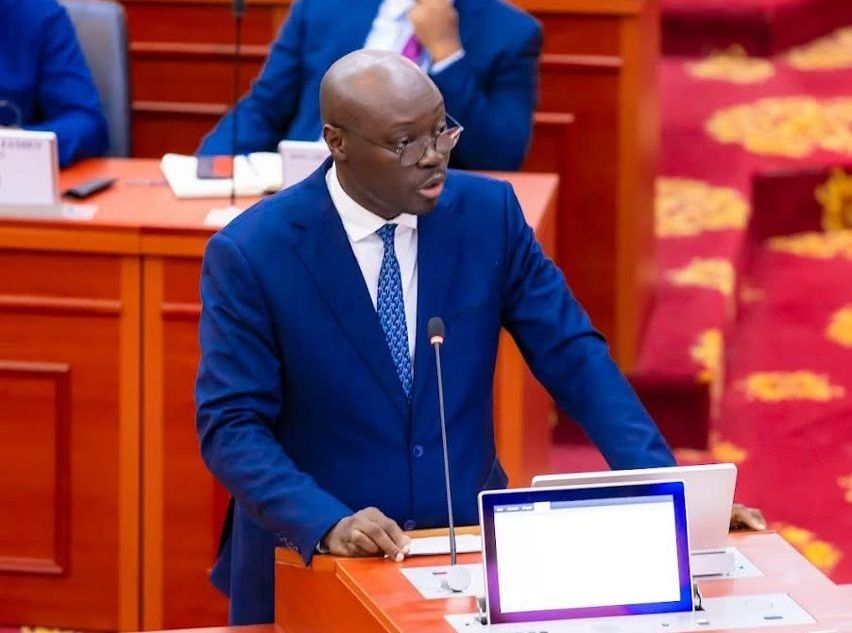
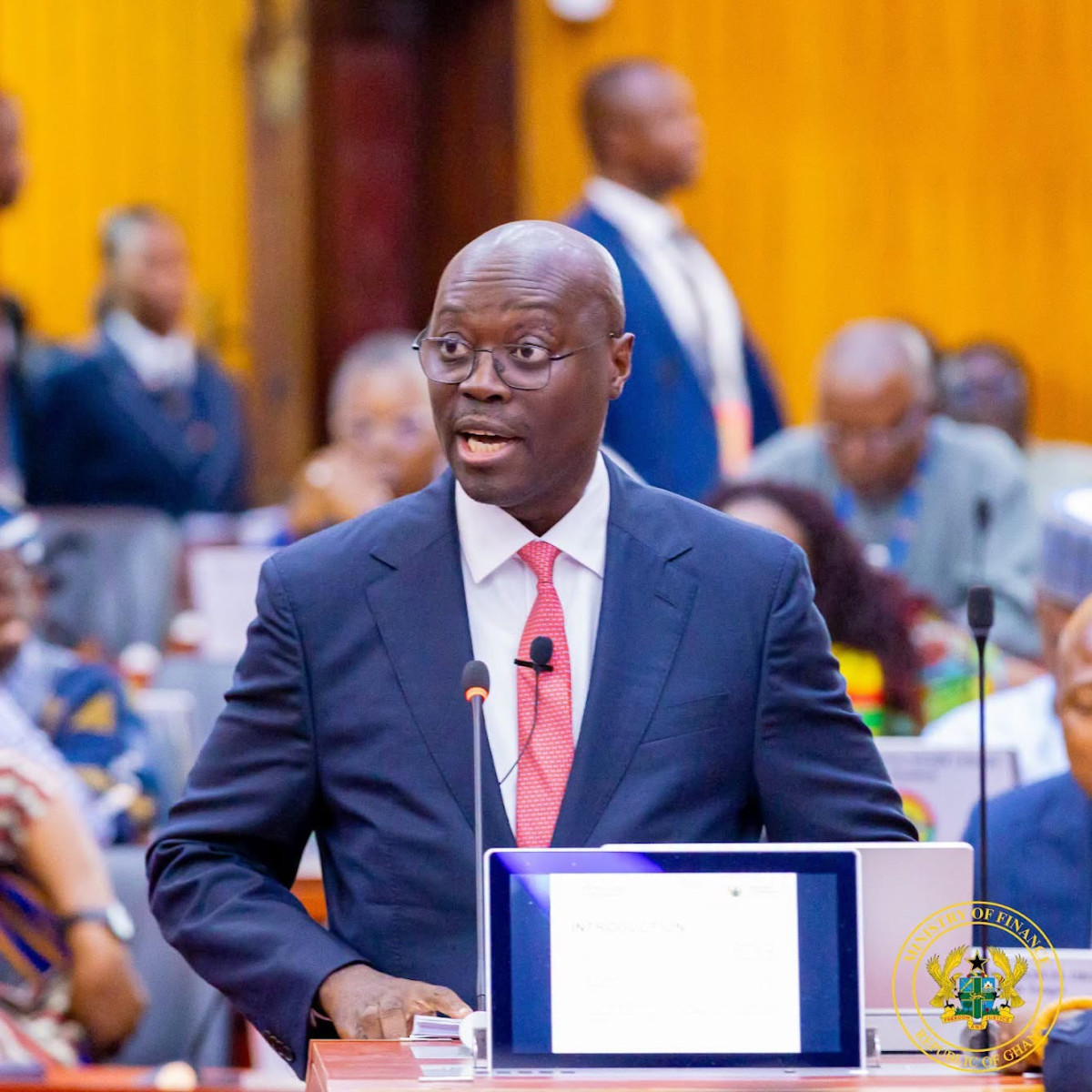
The 2026 Budget, presented to Parliament by Finance Minister Dr. Cassiel Ato Forson, introduced several changes meant to ease VAT compliance pressures, especially for small and medium-sized enterprises. Among them:
-
A redesigned filing system tailored for small businesses
-
Clearer categorization of exempt, zero-rated, and standard-rated items
-
A refined framework for input tax credit claims
-
Measures aimed at reducing cascading tax burdens
Business associations including GUTA and AGI have repeatedly warned that the current VAT regime distorts pricing, complicates operations, and punishes firms with limited bookkeeping capacity. Many SMEs say they pay “tax on tax,” a phenomenon the reforms seek to eliminate.
Yet Deloitte emphasizes that while administrative clarity is overdue, it won’t automatically widen Ghana’s revenue stream.
The Real Challenge: Too Few Taxpayers for a Growing Tax System
Deloitte argues that Ghana’s VAT system suffers from a structural imbalance—only a small portion of eligible businesses are actually registered, and even fewer consistently file returns.
The firm highlights a longstanding issue: VAT revenue is carried almost entirely on the backs of already compliant entities, while large portions of the informal and semi-formal sectors remain outside the system.
“Government’s reform of the current VAT system is a sound policy and a good response to concerns raised by private sector businesses during the National Economic Forum and other fora,” Deloitte noted. “However, its success will depend on broadening the tax base, improving administration and ease of compliance, and maintaining strong enforcement.”
In other words: the math won’t work unless more people pay.
Tax Base Expansion Requires Enforcement—Not Just Technology
Deloitte’s report points to several gaps that could undermine the reforms if left unaddressed:

-
Weak enforcement in sectors with high turnover but low reporting
-
Complex or intimidating registration processes
-
Poor taxpayer education
-
Inconsistent auditing and monitoring
-
Limited penalties for non-compliance
The firm insists that enforcement—not merely digitalization—will determine whether the reforms yield results.
Reforms Are Not a Shortcut to Higher Revenue
Despite renewed optimism around VAT modernization, Deloitte warns that there is no quick fix to boosting Ghana’s tax revenue.

Until the broader economy is captured into the tax net—formal retailers, informal traders, micro-enterprises, digital businesses, contractors, and service providers—the VAT system will continue to underperform, no matter how efficient its administration becomes.
The 2026 VAT reforms, Deloitte concludes, are necessary but insufficient without aggressive expansion of the tax base and a consistent enforcement regime that treats compliance as both a legal obligation and an economic imperative.
Source: Accra Street Journal
Last Updated on March 9, 2026 by Samuel Kwame Boadu
Disclaimer: Some content on Accra Street Journal may be aggregated, summarized, or edited from third-party sources for informational purposes. Images and media are used under fair use or royalty-free licenses. Accra Street Journal is a subsidiary of SamBoad Publishing Hub under SamBoad Business Group Ltd, registered in Ghana since 2014.
For concerns or inquiries, please visit our Privacy Policy or Contact Page.

Samuel Kwame Boadu is a Ghanaian media entrepreneur and storyteller with a passion for amplifying urban voices and uncovering everyday truths. He is the Editor-in-Chief and Founder of Accra Street Journal, a dynamic digital platform dedicated to capturing the pulse of Ghana’s capital—its people, culture, challenges, business, sports and innovations.
Use the following reference when citing or referencing this article.
Your feedback helps us improve our journalism.

Report an Error
Help us maintain accuracy. Let our editorial team know if you spot an issue in this article.
Report a problem with this article