
14 min read
Introduction: A Week of Shifts in Ghana’s Financial Landscape
After a brutal week that saw the Ghana Stock Exchange shed approximately GH¢55 billion in market value, the bourse has shown signs of recovery in recent sessions. The rebound has been driven largely by renewed investor interest in MTN Ghana, which continues to demonstrate its outsized influence on the market’s direction .
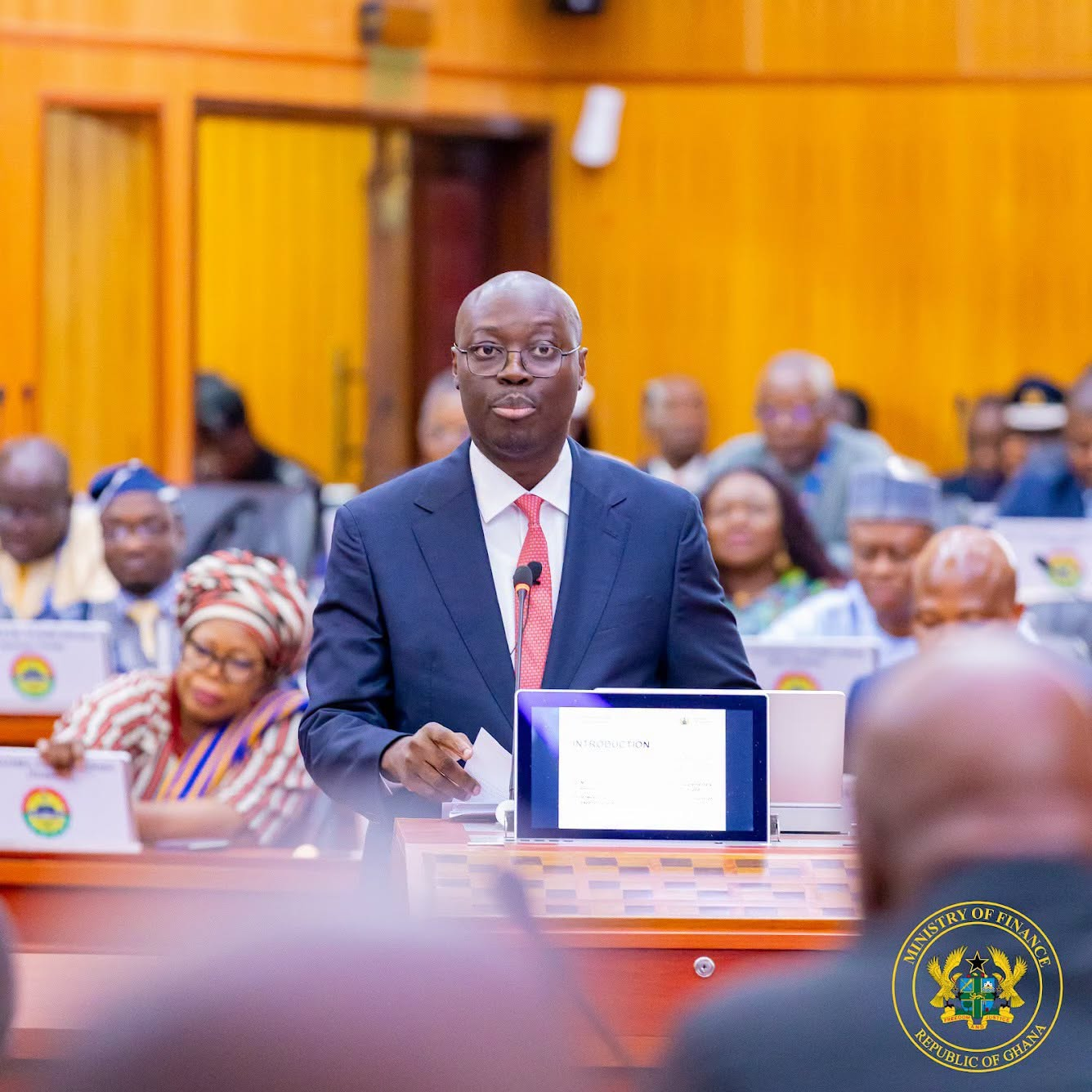
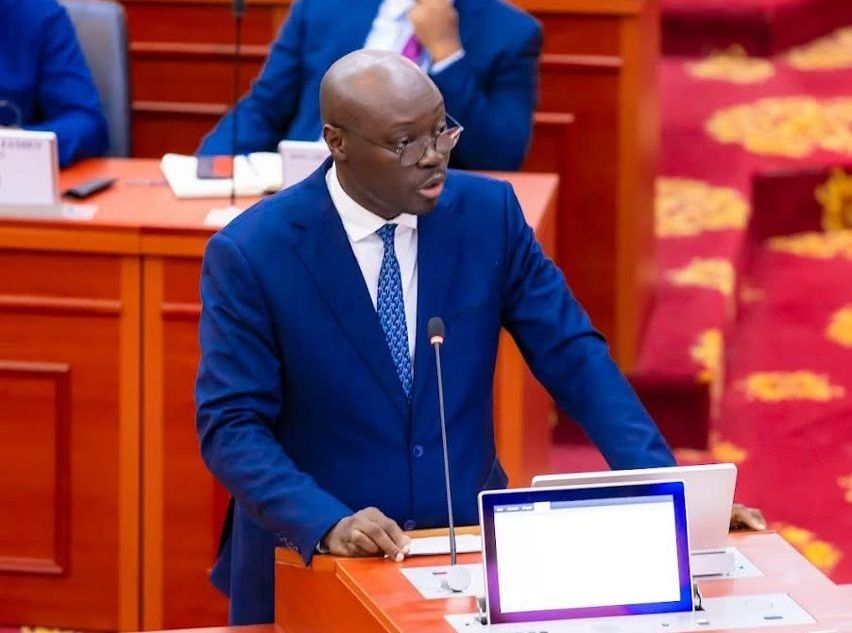
Meanwhile, the government has taken a significant step toward restoring its domestic borrowing programme, setting an initial pricing guidance of 12 to 12.5 per cent for its first seven-year bond since the 2022 debt default . The move signals improving macroeconomic conditions and a carefully calibrated return to longer-term borrowing.
Key Takeaways
- Meanwhile, the government has taken a significant step toward restoring its domestic borrowing programme, setting an initial pricing guidance of 12 to 12.5 per cent for its first seven-year bond since the 2022 debt default .
- On March 31, 2026, MTN Ghana closed at GH¢5.40 per share, a 2.3 per cent increase from its previous close .
- The government has set an initial pricing guidance of 12 to 12.5 per cent for its new seven-year cedi-denominated bond, marking a significant return to the domestic debt market .
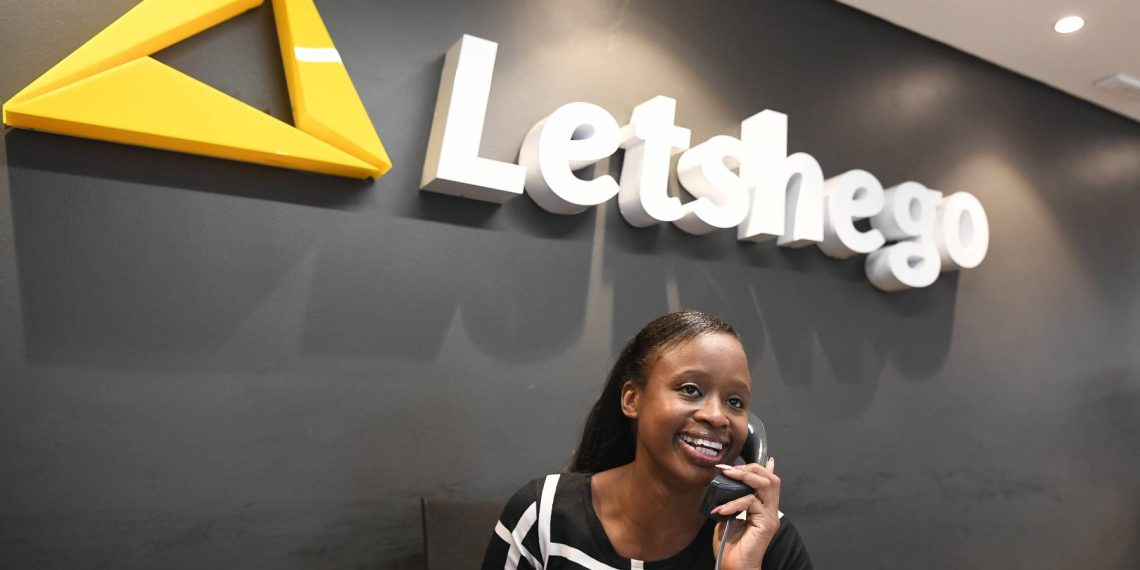
In the banking sector, Letshego Ghana has formally confirmed that it is up for sale as its parent company, Letshego Africa Holdings, moves into the final phase of a disposal process that has been underway since September 2024 . The potential sale of the microfinance group’s Ghana operations has implications for noteholders and the broader financial services landscape.
This ASJ article rounds up these key developments and their implications for investors, businesses, and the broader economy.
GSE Recovery: MTN Ghana Leads the Rebound
The Post-Correction Recovery
After a sharp correction that wiped billions off investor portfolios, the Ghana Stock Exchange has shown encouraging signs of recovery. The rebound has been driven by heavy trading in MTN Ghana (Scancom PLC) , the market’s most heavily weighted stock .
Recent trading sessions reflect a market grappling with volatility but showing resilience. On March 31, 2026, MTN Ghana closed at GH¢5.40 per share, a 2.3 per cent increase from its previous close . The stock accounted for a staggering 5.43 million shares traded—representing the vast majority of session volume .
MTN’s Market Dominance
MTN Ghana’s outsized influence on the GSE cannot be overstated. As Journalists for Business Advocacy (JBA) observed in recent research notes: “MTN Ghana has become the bellwether stock. When it moves, the entire market tends to follow” .
Over the past three months, MTN has been the most traded stock on the exchange, with 465 million shares changing hands—translating into a total market value of GH¢2.28 billion . Its year-to-date performance stands at an impressive 28.6 per cent, rising from GH¢4.20 per share at the start of the year .
Why MTN Drives the Market
Several factors underpin MTN’s central role in the GSE:
1. Dominant Weighting
Given MTN’s large market capitalisation and high free float, its price movements exert disproportionate influence on the GSE Composite Index compared to other listed stocks .
2. Strong Financial Performance
The company delivered service revenue growth of over 36 per cent year-on-year in 2025, with profit after tax rising nearly 46 per cent to GH¢5.5 billion . Earnings per share increased significantly to GH¢0.415 .

3. Attractive Dividend Yield
MTN offers a dividend yield of about 7.5 to 7.6 per cent, significantly higher than the market average. In 2025, it declared a final dividend of GH¢0.40 per share—up sharply from GH¢0.24 the previous year . Following the dividend announcement, MTN’s share price soared by 28 per cent over the subsequent four weeks .
4. Liquidity
MTN is one of the most actively traded counters on the GSE, providing investors with the ability to enter and exit positions efficiently .

Mixed Sentiment: Banking Stocks Bleed
While MTN Ghana has delivered positive returns, banking stocks have faced pressure. On March 31, 2026, GCB Bank led declines with a sharp 9.95 per cent drop, closing at GH¢27.06 . Ecobank Transnational fell 8.59 per cent, Societe Generale Ghana dropped 2.7 per cent, and Enterprise Group declined 1.92 per cent .
The GSE Financial Stocks Index reflected this weakness, shedding 208.23 points to close at 7,986.84—a 2.54 per cent decline . However, the index still holds a remarkable 71.86 per cent year-to-date gain despite the recent sell-off .
Market Capitalisation and Activity
Market capitalisation closed at GH¢243.7 billion on March 31, 2026, down from GH¢246.5 billion in the previous session . However, trading activity showed significant improvement, with total volume rising by 202 per cent and turnover improving by 231 per cent compared to the previous day .
Outlook
Market watchers will be keenly observing whether the financial sector can stabilise and regain investor confidence. While MTN’s sustained performance provides support to the broader market, the persistent weakness in banking stocks raises concerns about sector-specific vulnerabilities .
As one analyst noted: “MTN Ghana cannot carry the market indefinitely. The rally is strong, but breadth across other sectors will be needed for sustainability” .
New Bond Issuance: Government Targets 12–12.5% Yield
A Historic Return to Long-Term Borrowing
The government has set an initial pricing guidance of 12 to 12.5 per cent for its new seven-year cedi-denominated bond, marking a significant return to the domestic debt market . This is Ghana’s first bond issuance of this tenor since 2022, following the disruption caused by the Domestic Debt Exchange Programme (DDEP) introduced in 2023 .
The move signals a carefully calibrated return to longer-term borrowing after a prolonged absence, as the government seeks to re-establish a consistent domestic borrowing programme .
| Bond Detail | Information |
|---|---|
| Tenor | 7 years |
| Pricing Guidance | 12% – 12.5% |
| Minimum Subscription | GH¢50,000 |
| Eligible Investors | Resident and non-resident investors |
| Book-Build Opening | March 30, 2026 |
| Book-Build Closing | April 1, 2026 |
| Settlement Date | April 7, 2026 |
Lower Rates Signal Improved Confidence
Market analysts have interpreted the pricing guidance as a strong indication of improving economic fundamentals. Existing seven-year bonds on the secondary market are currently trading between 13 and 14 per cent, making the proposed range notably lower .
This gap suggests:
-
Improving macroeconomic conditions – inflation has fallen to 3.3 per cent, close to a 30-year low
-
Reduced risk perceptions – renewed investor confidence in Ghana’s recovery trajectory
-
Easing monetary conditions – the Bank of Ghana has cut its policy rate by 14 percentage points since July 2025 to 14 per cent
By setting a competitive rate, authorities are positioning the bond as an attractive investment instrument while simultaneously aiming to reduce borrowing costs over the medium term .

Broadening Investor Participation
The bond is open to both resident and non-resident investors, with a minimum bid of GH¢50,000—widening access beyond traditional institutional players . The Finance Ministry has emphasised that participation will not be restricted to pension funds, insurance companies, or asset managers .
This broader inclusion is expected to:
-
Deepen the domestic capital market
-
Enhance liquidity
-
Attract diverse investor interest
Use of Proceeds
Proceeds from the bond issuance will be used to:
-
Finance projects outlined in the 2026 national budget
-
Support liquidity management
-
Refinance maturing debt obligations
By extending the maturity profile of its liabilities, the government seeks to ease short-term repayment pressures and improve overall debt sustainability .
Rebuilding the Sovereign Yield Curve
One of the key objectives of the bond issuance is to help rebuild Ghana’s sovereign yield curve, which was significantly disrupted during the debt restructuring period . A well-defined yield curve is essential for:
-
Pricing financial assets
-
Guiding investment decisions
-
Supporting overall market development
By reintroducing longer-term instruments, authorities are laying the foundation for a more robust and transparent financial market . This is expected to encourage greater participation from institutional investors and improve the efficiency of capital allocation .
Investor Confidence Restoration
Perhaps the most critical aspect of this bond issuance is its role in rebuilding trust among investors. The Domestic Debt Exchange Programme, while necessary, had a significant impact on investor sentiment. As a result, restoring confidence has become a central priority for policymakers .
Early indications suggest that investor interest is strong, with many market participants viewing the bond as an opportunity to re-engage with Ghana’s debt market under improved conditions .
Outlook
The success of this issuance could set the tone for future government borrowing and broader market activity. A well-subscribed bond with favourable pricing would:
-
Reinforce confidence in Ghana’s economic recovery
-
Open the door for additional issuances across different maturities
-
Signal to international markets that Ghana is making tangible progress in stabilising its economy
The bond’s final interest rate will be determined after the book-building process closes on April 1, 2026 .
Letshego Ghana Divestment: Confirmed Sale
Parent Company Nears Deal
Letshego Ghana Savings and Loans PLC has formally confirmed that it is among the assets being sold by its parent company, Letshego Africa Holdings Limited (LAHL) , as the Botswana-listed microfinance group moves into the final phase of a disposal process that has been underway since September 2024 .
In a notice dated March 27, 2026, signed by Chief Executive Officer Nii Amankra Tetteh, Letshego Ghana told investors that the potential transaction is now at an advanced stage, and that formal engagements with bondholders—including disclosure of the identity of the potential buyer—will be scheduled in the coming weeks .
The company emphasised that its day-to-day operations remain fully uninterrupted .
Markets in Scope
Letshego Africa Holdings confirmed it is in the final stages of negotiations with an unnamed counterparty for the sale of assets across East and West Africa . The markets identified in scope include:
-
Ghana
-
Nigeria
-
Uganda
-
Rwanda
-
Tanzania
Financial Context
The sale process comes against the backdrop of challenging financial results for the parent company. LAHL posted a full-year loss of BWP235.5 million for 2025, more than doubling from BWP93.3 million in 2024 . The loss was largely driven by a BWP519.5 million drag from discontinued operations tied to the planned exit, reflecting International Financial Reporting Standards (IFRS) 5 valuation adjustments applied to assets earmarked for sale .
However, stripping out those discontinued markets, the group’s core Southern African operations delivered a 362 per cent surge in profit after tax to BWP284 million, driven by improved credit quality and a loan loss ratio that improved to 1 per cent from 4.5 per cent a year earlier .
Implications for Noteholders
The sale process has direct implications for Letshego Ghana’s noteholders on the Ghana Fixed Income Market (GFIM), where the company has outstanding bonds maturing in 2026, 2027, and 2029 .
Letshego Ghana reported a profit after tax of GH¢71.1 million for the nine months to September 2025, though its non-performing loan (NPL) ratio remained elevated at 25.6 per cent—well above the Bank of Ghana’s 10 per cent regulatory cap .
Regulatory Approval
A change of ownership in Letshego Ghana would require approval from the Bank of Ghana. LAHL’s Group Chief Executive Officer Reinette Van der Merwe made her first visit to Ghana in March 2026, meeting with the regulator, in what observers interpreted as part of the formal regulatory engagement required ahead of any ownership change in a licensed financial institution .
Next Steps
The identity of the prospective buyer has not been disclosed. Letshego Ghana has indicated that further details will be shared with investors formally once the transaction progresses to that stage .
For now, the company continues to operate normally while negotiations proceed .
Key Developments at a Glance
| Sector | Development | Key Details |
|---|---|---|
| GSE | Market recovery | MTN Ghana leads rebound with 2.3% gain; heavy trading volume |
| GSE | Banking sector weakness | GCB down 9.95%, ETI down 8.59% amid sector reassessment |
| Debt | 7-year bond issuance | Pricing guidance 12–12.5%; first since 2022 default |
| Debt | Investor access | Minimum GH¢50,000; open to resident and non-resident investors |
| Banking | Letshego sale confirmed | Parent company nears deal; Ghana among markets in scope |
| Banking | Noteholder implications | Outstanding bonds maturing 2026, 2027, 2029 |
Frequently Asked Questions (FAQs)
1. How is the Ghana Stock Exchange performing after last week’s losses?
The GSE has shown signs of recovery in recent sessions, driven by heavy trading in MTN Ghana. However, the GSE Composite Index remains down 14.73 per cent over the past week, though it still holds a 48.91 per cent year-to-date gain .
2. What is MTN Ghana’s current share price?
MTN Ghana closed at GH¢5.40 per share on March 31, 2026, a 2.3 per cent increase from its previous close. Year-to-date, the stock has gained 28.6 per cent from GH¢4.20 .
3. What is the pricing guidance for Ghana’s new seven-year bond?
The government has set an initial pricing guidance of 12 to 12.5 per cent for its new seven-year cedi-denominated bond .
4. When will the bond book-building process close?
The book-building process for the bond closes on April 1, 2026, with settlement scheduled for April 7 .
5. Can individual investors participate in the bond?
Yes. The bond is open to both resident and non-resident investors with a minimum bid of GH¢50,000 .
6. Why is Letshego Ghana being sold?
Letshego Ghana is part of a broader divestment by its parent company, Letshego Africa Holdings, which is exiting select markets across East and West Africa, including Ghana, Nigeria, Uganda, Rwanda, and Tanzania .
7. Will the sale affect Letshego Ghana’s operations?
The company has stated that its day-to-day operations remain fully uninterrupted while negotiations proceed .
8. What is the status of Letshego Ghana’s bonds?
Letshego Ghana has outstanding bonds on the Ghana Fixed Income Market maturing in 2026, 2027, and 2029. Noteholders will be formally engaged once the transaction progresses .
9. Why are banking stocks under pressure on the GSE?
Banking stocks have faced pressure amid sector reassessment, with investors reacting to evolving macroeconomic conditions and sector-specific challenges. GCB Bank led declines with a 9.95 per cent drop .
10. What is the outlook for the GSE?
Market watchers will be keenly observing whether the financial sector can stabilise and regain investor confidence. MTN’s sustained performance provides support, but broader market breadth across other sectors will be needed for sustainability .
Conclusion: A Market in Transition
As Ghana enters the second quarter of 2026, its financial landscape is marked by contrasting narratives. The Ghana Stock Exchange is showing resilience after a sharp correction, with MTN Ghana leading the recovery—yet banking stocks remain under pressure, highlighting sector-specific vulnerabilities .
The government’s return to the bond market with a seven-year issuance signals renewed confidence in the economy and a commitment to rebuilding the sovereign yield curve. The 12–12.5 per cent pricing guidance represents a significant improvement from secondary market yields and reflects the progress made on macroeconomic stabilisation .
In the banking sector, the impending sale of Letshego Ghana marks the end of an era for the microfinance group’s presence in the country, while raising questions about the future direction of its operations under new ownership .
For investors, these developments present a mixed picture: opportunity in the equity market’s recovery, cautious optimism in the debt market’s reopening, and uncertainty around the future of specific financial institutions. The coming weeks will reveal whether the positive momentum can be sustained and whether broader market participation can broaden beyond MTN’s dominant influence.
Frequently Asked Questions (FAQs)
1. How is the Ghana Stock Exchange performing after last week’s losses?
The GSE has shown signs of recovery in recent sessions, driven by heavy trading in MTN Ghana. However, the GSE Composite Index remains down 14.73 per cent over the past week, though it still holds a 48.91 per cent year-to-date gain .
2. What is MTN Ghana’s current share price?
MTN Ghana closed at GH¢5.40 per share on March 31, 2026, a 2.3 per cent increase from its previous close. Year-to-date, the stock has gained 28.6 per cent from GH¢4.20 .
3. What is the pricing guidance for Ghana’s new seven-year bond?
The government has set an initial pricing guidance of 12 to 12.5 per cent for its new seven-year cedi-denominated bond .
4. When will the bond book-building process close?
The book-building process for the bond closes on April 1, 2026, with settlement scheduled for April 7 .
5. Can individual investors participate in the bond?
Yes. The bond is open to both resident and non-resident investors with a minimum bid of GH¢50,000 .
6. Why is Letshego Ghana being sold?
Letshego Ghana is part of a broader divestment by its parent company, Letshego Africa Holdings, which is exiting select markets across East and West Africa .
7. Will the sale affect Letshego Ghana’s operations?
The company has stated that its day-to-day operations remain fully uninterrupted while negotiations proceed .
8. What is the status of Letshego Ghana’s bonds?
Letshego Ghana has outstanding bonds on the Ghana Fixed Income Market maturing in 2026, 2027, and 2029 .
9. Why are banking stocks under pressure on the GSE?
Banking stocks have faced pressure amid sector reassessment, with investors reacting to evolving macroeconomic conditions and sector-specific challenges .
10. What is the outlook for the GSE?
Market watchers will be keenly observing whether the financial sector can stabilise and regain investor confidence. MTN’s sustained performance provides support, but broader market breadth will be needed for sustainability
Source: Accra Street Journal
Last Updated on April 1, 2026 by Samuel Kwame Boadu
Disclaimer: Some content on Accra Street Journal may be aggregated, summarized, or edited from third-party sources for informational purposes. Images and media are used under fair use or royalty-free licenses. Accra Street Journal is a subsidiary of SamBoad Publishing Hub under SamBoad Business Group Ltd, registered in Ghana since 2014.
For concerns or inquiries, please visit our Privacy Policy or Contact Page.

Samuel Kwame Boadu is a Ghanaian media entrepreneur and storyteller with a passion for amplifying urban voices and uncovering everyday truths. He is the Editor-in-Chief and Founder of Accra Street Journal, a dynamic digital platform dedicated to capturing the pulse of Ghana’s capital—its people, culture, challenges, business, sports and innovations.
Use the following reference when citing or referencing this article.
Your feedback helps us improve our journalism.
Report an Error
Help us maintain accuracy. Let our editorial team know if you spot an issue in this article.
Report a problem with this article