Introduction: The Pharmacy That Treats
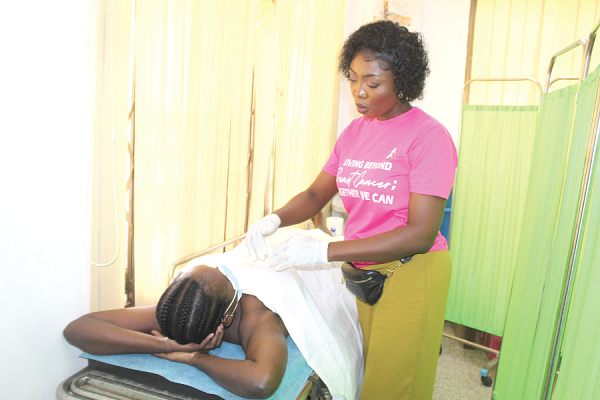
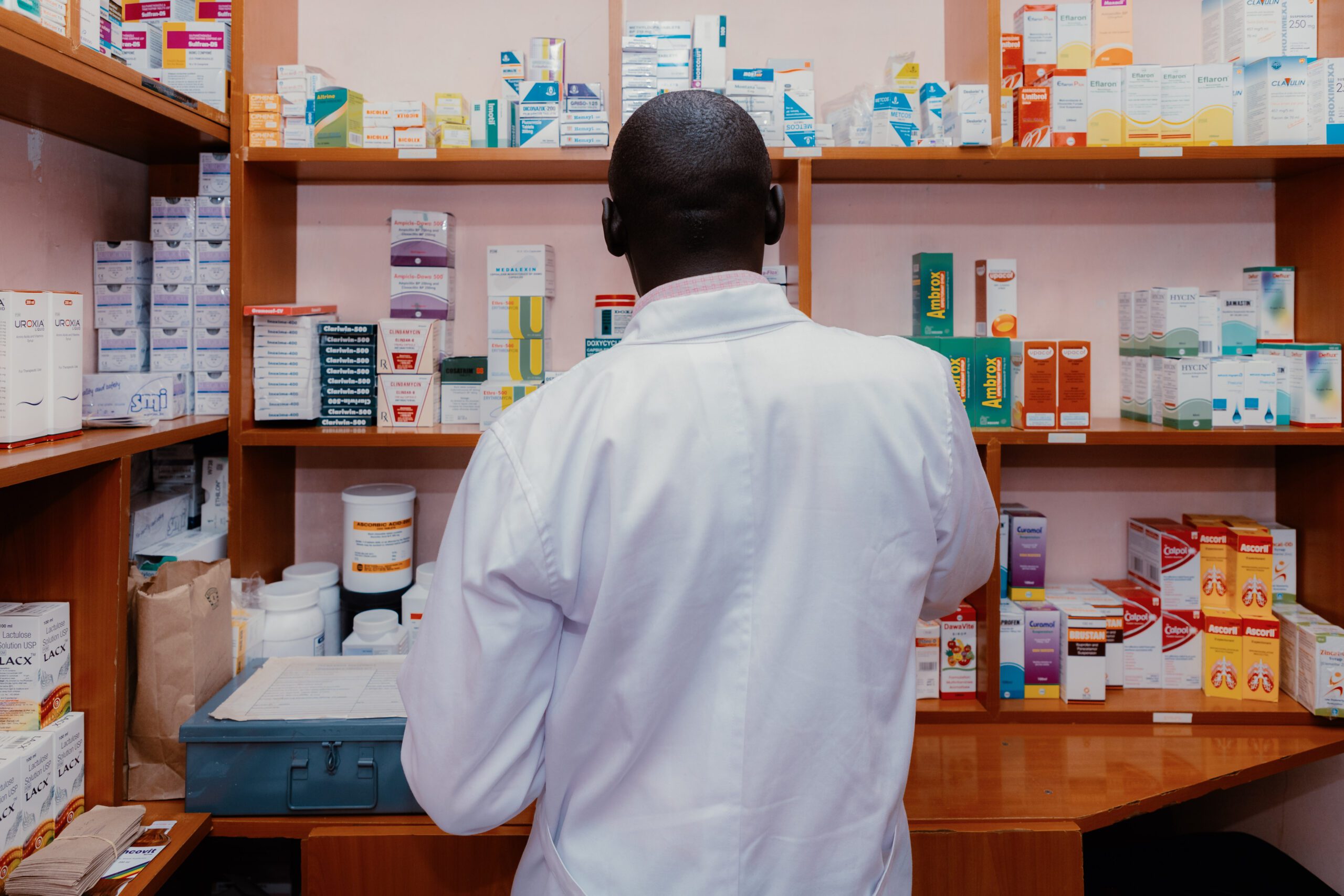
Walk into a Mutti pharmacy in Accra today, and you might notice something different. Alongside the shelves of medicines, there is now a private consultation area. A pharmacist is checking a patient’s blood pressure. In a back room, a patient is speaking with a doctor on a video screen. This is not a hospital. It is a pharmacy. And it is becoming a mini clinic.
Across Ghana, community pharmacies are transforming into primary healthcare hubs. They are no longer just places to buy medicine—they are becoming the first point of contact for millions of Ghanaians seeking medical advice, diagnosis, and treatment .

This shift is not accidental. It is the result of converging forces: legal changes that permit pharmacists to provide first aid treatment, technological innovations that enable remote consultations, economic pressures that demand more cost-effective healthcare delivery, and a policy push to integrate pharmacies into the national primary healthcare system .
📢 GET A DETAILED ARTICLES + JOBS
Join ASJ's WhatsApp Channel and never miss a post or opportunity.

This Accra Street Journal article explores why pharmacies are becoming mini clinics in Ghana, the legal framework enabling this transformation, the technology making it possible, and what this means for the future of healthcare in the country.
The Legal Foundation: What Pharmacists Are Allowed to Do
Section 105 of Act 857
The legal basis for pharmacists to provide medical advice is found in the Health Professions Regulatory Bodies Act, 2013 (Act 857). Section 105 of the Act states that:

“Subject to Part Two, a pharmacist or pharmaceutical support staff may give medical and dental advice (a) as first aid where there is an accident, or (b) as first aid treatment for simple ailments of common occurrence where it is not reasonably practicable for the patient to consult a medical practitioner or dentist” .
This provision is crucial. It explicitly allows pharmacists to step beyond the traditional role of dispensing medicines and into the realm of basic medical treatment—specifically for “simple ailments of common occurrence” where seeing a doctor is not reasonably practicable.
However, the Act also imposes a critical safeguard. In the case of an emergency, the pharmacist must refer the patient to a medical practitioner or dentist immediately or within twenty-four hours after administering the initial dosage, and must state the medicines used and the extent of the treatment given .
Why the Law Needs Updating
Despite this provision, the Pharmaceutical Society of Ghana (PSGH) has called for an urgent review of Act 857, describing it as a constraint to the advancement of modern pharmacy practice. At the 2025 Annual General Meeting of the Society, the PSGH adopted resolutions calling on the government to accelerate the integration of community pharmacies into the national primary healthcare system .
The PSGH has argued that a “Pharmacy First” policy would position pharmacies as the first point of care for minor ailments, preventive services, and non-communicable disease management, while also supporting public health data reporting .
The mPharma Model: Technology as the Enabler
From Fragmented Pharmacies to Primary Care Hubs
One of the most significant drivers of the pharmacy-as-mini-clinic transformation is mPharma, a Ghanaian health tech start-up. Initially, mPharma disrupted the pharmaceutical industry by stocking pharmacy shelves with no payment required up front, using the collective power of its network to negotiate lower prices with top manufacturers .
The company then harnessed a franchise model (Mutti) combined with technology to turn a run-down network of physical pharmacies into a state-of-the-art primary and community care infrastructure. mPharma’s community of Mutti pharmacies, which spans Ghana, Nigeria, Kenya, Zambia, Malawi, Rwanda, Ethiopia, Uganda, and Gabon, have become the first point of care for many patients. Operating like mini-clinics, they offer a wide range of services, including medical consultation, diagnostic and telehealth services .
Bloom: The Technology Powering the Transformation
Through Bloom, mPharma’s proprietary web app, pharmacists can access real-time drug information, treatment guidelines, and patient medication history. This gives them the ability to provide more informed consultations and personalized care .
The Bloom software also facilitates better communication between pharmacists and patients; patients can refill prescriptions, schedule appointments, and receive medication reminders—all through a user-friendly web interface. This is not only more convenient but also helps improve patient adherence to treatment plans, leading to better health outcomes .
Telemedicine Integration
mPharma has partnered with Amazon Web Services (AWS) to leverage cloud technology and generative artificial intelligence. This partnership has transformed several pharmacies at the community level into mini-primary care centres where patients walk in and access doctors’ consultations remotely for minor illnesses .

General medical practitioner and health services manager for Ghana at mPharma, Dr Yaa Owusu-Agyeman, explained that all doctors on the call have a scope of practice and protocols they stick to. “Anything that is beyond what can be taken care of in the pharmacy is referred to the hospital for attention” .
With presence in 13 of the 16 regions, 80 of the 275 constituencies being serviced by 506 doctors on a daily basis, people are able to access healthcare virtually .
The Economic Argument: Reducing the Burden on Hospitals
The Outpatient Problem
A large portion of National Health Insurance Scheme (NHIS) funds is consumed by outpatient visits, including minor ailments and non-emergency cases—services that could be safely and cost-effectively managed at the community pharmacy level .
Dr. Henry Amoaning Okyere, Deputy Executive Secretary of the PSGH, has proposed the inclusion of pharmacist-led services under the NHIS coverage to reduce out-of-pocket spending by using capitation or bundled payments models for defined categories such as hypertension follow-ups and medication therapy management .
Reaching Underserved Areas
Community pharmacies already serve hard-to-reach areas lacking Community-based Health Planning and Services (CHPS) or clinics, advancing health equity . By integrating pharmacies into public health networks, Ghana can unlock private sector capacity for immunisation, non-communicable diseases (NCD) care, and family planning.
The PSGH President, Mr. Samuel Kow Donkoh, noted that community pharmacies have long served as the first point of contact for many citizens seeking healthcare, particularly for common ailments. They have built trust with the public, making them ideal partners in primary healthcare delivery .
The Policy Push: Integrating Pharmacies into Free Primary Healthcare
The PSGH Proposal
In July 2025, the PSGH formally proposed the integration of licensed community pharmacies into the National Health Insurance Authority (NHIA) credentialed facilities, in line with the Free Primary Healthcare (FPHC) program implementation .
The demand is to ensure satisfactory access to essential medicines and enhance the capacity of pharmacists when the primary healthcare programme takes off. Mr. Donkoh cited examples of countries where similar integration has been successful, underscoring the potential benefits for Ghana and the need for community pharmacies to be formally recognised and appropriately reimbursed for their services .
The Government’s Response
The Acting Director of Pharmacy at the Ministry of Health, Mr. Saviour Yevutsey, recognised the critical role community pharmacies play in the healthcare system, noting that the proposal aligns with the Ministry’s effort to expand access to healthcare services .
The meeting concluded with agreements on prioritising community pharmacies in underserved areas for integration and fine-tuning services and payment methodologies before the launch of the policy .
The Global Context: Learning from Others
The integration of pharmacies into primary healthcare is not unique to Ghana. The PSGH has cited examples of countries where similar integration has been successful, underscoring the potential benefits for Ghana .

By learning from these models, Ghana can avoid pitfalls and adopt best practices tailored to the local context. The goal is to position community pharmacies as essential partners in achieving Universal Health Coverage.
The Role of Corporate Social Responsibility
While the focus is on technology and policy, the transformation of pharmacies into mini clinics also has a community health dimension. The Central Regional branch of the PSGH, for example, conducted a health outreach program in the Abura Asebu Kwamankese District, offering free NHIS registration, medical consultations, and pharmaceutical care services .
These outreach programs demonstrate the demand for accessible, community-based healthcare and the willingness of pharmacists to fill gaps where public provision is insufficient. The program saw 558 individuals attending medical screenings and 726 individuals benefiting from NHIS registration and renewal services .
The Challenges Ahead
Regulatory Hurdles
Despite the legal provisions in Act 857, the PSGH has called for an urgent review of the law to fully recognise expanded pharmacy roles. The current law, while allowing pharmacists to give first aid treatment for simple ailments, does not fully capture the range of services that modern pharmacies are capable of providing .
Payment and Reimbursement
One of the biggest challenges is ensuring that pharmacists are appropriately reimbursed for the services they provide. The PSGH has proposed capitation or bundled payments models for defined categories such as hypertension follow-ups and medication therapy management . However, these proposals are still under discussion and have not yet been implemented.
Quality Assurance
As pharmacies take on more clinical responsibilities, ensuring quality of care becomes paramount. An academic study identified key challenges including digital literacy, infrastructure limitations, and staff training, providing insights for sustainable improvement and scalability in low-resource settings .
Public Awareness
Many Ghanaians still do not know that they can receive medical advice and treatment at their local pharmacy. Public awareness campaigns will be essential to drive adoption of pharmacy-based primary care services.
Key Takeaways
| Factor | Impact |
|---|---|
| Legal Foundation | Section 105 of Act 857 allows pharmacists to give first aid treatment for simple ailments |
| Technology | mPharma’s Bloom software and AWS cloud enable remote consultations and informed care |
| Economic Pressure | Community pharmacies can reduce the burden on hospitals and NHIS funds by managing minor ailments |
| Policy Support | PSGH is pushing for integration of pharmacies into the Free Primary Healthcare program |
| Global Precedent | Countries like the UK, Canada, and France have successfully integrated pharmacies into primary care |
| Patient Reach | 506 doctors servicing 80 constituencies daily across 13 regions |
Frequently Asked Questions (FAQs)
1. Is it legal for pharmacists to treat patients in Ghana?
Yes, under Section 105 of the Health Professions Regulatory Bodies Act, 2013 (Act 857), pharmacists may give medical advice and first aid treatment for “simple ailments of common occurrence” where it is not reasonably practicable for the patient to consult a medical practitioner .
2. What services can I get at a pharmacy that offers mini clinic services?
Services typically include medical consultation (including telehealth), blood pressure checks, blood sugar testing, treatment for minor ailments (malaria, respiratory infections, diarrhoea), and medication management for chronic conditions like hypertension and diabetes .
3. Does the National Health Insurance Scheme (NHIS) cover pharmacy-based consultations?
Not yet. The PSGH has proposed the integration of community pharmacies into NHIA-credentialled facilities, but the proposal is still under discussion .
4. Which pharmacies in Ghana offer mini clinic services?
Mutti pharmacies under the mPharma network are the primary example. They span multiple regions and offer consultation and telehealth services .
5. Is it safe to receive treatment at a pharmacy instead of a hospital?
For minor ailments, yes. Pharmacists follow protocols and refer patients to hospitals when conditions are beyond their scope of practice. All doctors on telehealth calls have defined protocols, and anything beyond what can be handled at the pharmacy is referred to a hospital .
6. Why is the Pharmaceutical Society of Ghana calling for a review of Act 857?
The PSGH argues that the law needs updating to formally recognise new pharmacy roles such as medication therapy management, immunisation, and chronic disease care, and to facilitate digital innovations and telepharmacy .
7. How does telemedicine work in pharmacies?
Patients visit a participating pharmacy and connect with a doctor via video call using cloud-based technology. The doctor consults remotely, and the pharmacist dispenses any necessary medication on-site .
8. What is mPharma’s role in this transformation?
mPharma is a Ghanaian health tech start-up that has transformed community pharmacies into primary care hubs through its Mutti franchise model, Bloom software, and telemedicine integration .
9. Will this reduce the burden on hospitals?
Yes. By managing minor ailments at the pharmacy level, hospitals can focus on more serious cases, reducing wait times and improving overall healthcare efficiency .
10. When will the Free Primary Healthcare program integrate pharmacies?
The integration is under discussion, with agreements on prioritising pharmacies in underserved areas and fine-tuning payment methodologies. No firm launch date has been announced .
Conclusion: The Future of Primary Healthcare
The transformation of pharmacies into mini clinics represents one of the most significant shifts in Ghana’s healthcare landscape in decades. It is a response to real, pressing needs: the shortage of doctors, the high cost of hospital visits, the long wait times, and the millions of Ghanaians who live too far from the nearest clinic.
The legal framework already permits pharmacists to provide first aid treatment for simple ailments . Technology has made remote consultation and informed care possible . The economic argument is compelling—community pharmacies can reduce the burden on hospitals and NHIS funds . And the policy push from the PSGH is gaining momentum .
Yet challenges remain. The law needs updating to fully recognise expanded pharmacy roles . Payment models need to be developed to reimburse pharmacists for clinical services . Quality assurance mechanisms need to be strengthened . And the public needs to be educated about the services available at their local pharmacy.
But the direction is clear. The pharmacy of the future is not just a place to buy medicine. It is a place to receive care. And for millions of Ghanaians, that care will be more accessible, more affordable, and more convenient than ever before.
Source: Accra Street Journal
Last Updated on April 21, 2026 by Samuel Kwame Boadu
Disclaimer: Some content on Accra Street Journal may be aggregated, summarized, or edited from third-party sources for informational purposes. Images and media are used under fair use or royalty-free licenses. Accra Street Journal is a subsidiary of SamBoad Publishing Hub under SamBoad Business Group Ltd, registered in Ghana since 2014.
For concerns or inquiries, please visit our Privacy Policy or Contact Page.

Samuel Kwame Boadu is a Ghanaian media entrepreneur and storyteller with a passion for amplifying urban voices and uncovering everyday truths. He is the Editor-in-Chief and Founder of Accra Street Journal, a dynamic digital platform dedicated to capturing the pulse of Ghana’s capital—its people, culture, challenges, business, sports and innovations.