
14 min read
EXECUTIVE INTRODUCTION
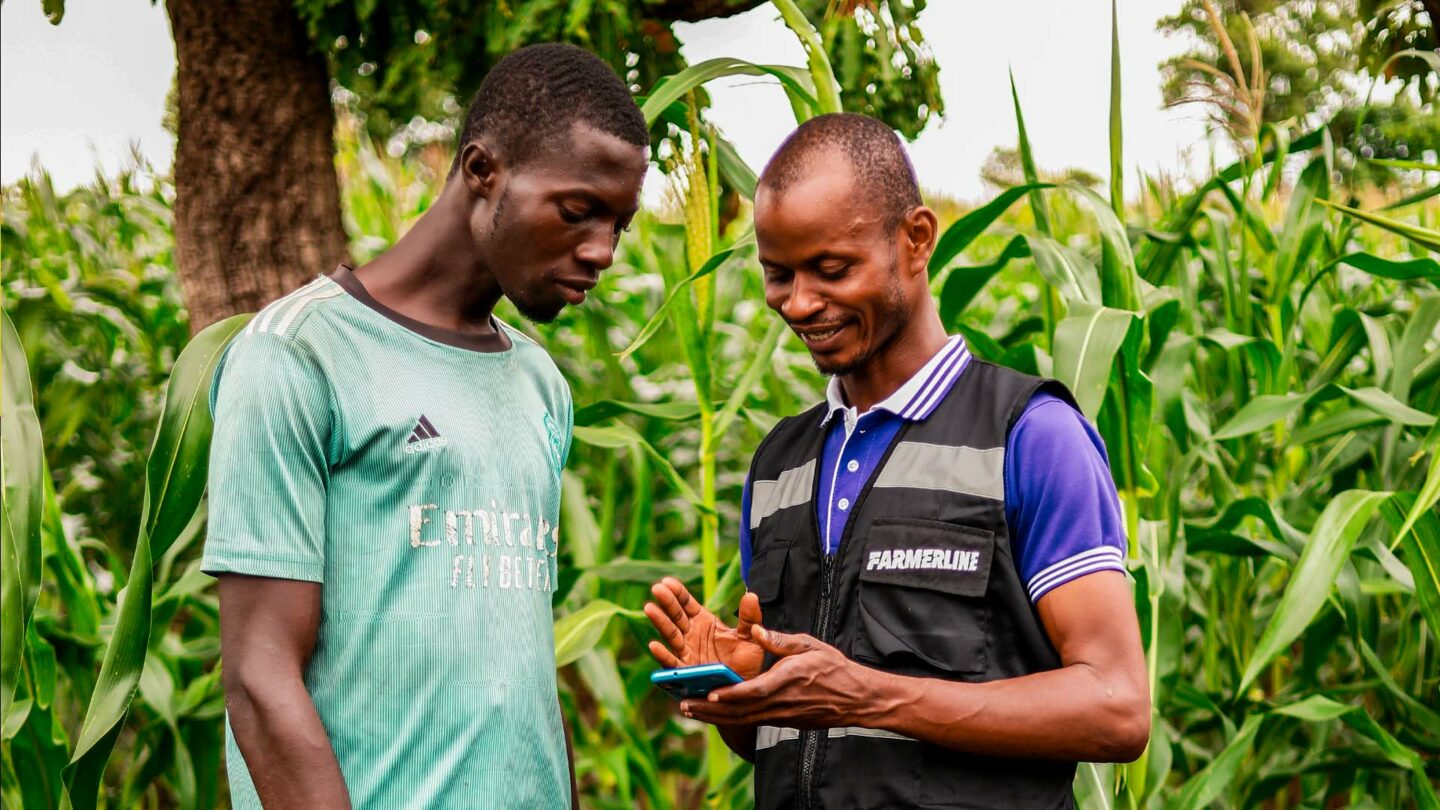
The image of the Ghanaian farmer, deeply etched into the national consciousness, is one of profound, enduring, and honourable physical toil. It is the man and woman, bent low under the hot sun, the worn cutlass or the short-handled hoe in their hand, their feet planted firmly in the rich, red soil. This image speaks of resilience, of a deep, intimate connection to the land, and of a way of life that has sustained the nation for generations. It is a powerful and essential picture of who we are. But it is also an image that, for too long, has been frozen in time, obscuring a quiet, urgent, and profoundly hopeful new reality. A new set of tools is beginning to appear alongside the traditional cutlass. The smartphone, the sensor, the drone, and the satellite are slowly, steadily, and intelligently making their way into the hands of the Ghanaian farmer, not to replace the ancient wisdom of the soil, but to augment it, to sharpen it, and to connect the farmer to a world of information, finance, and markets that was previously unimaginable.
This Accra Street Journal analysis is a ground-level examination of the quiet, but potentially revolutionary, growth of digital farming tools in Ghana. This is not a story of a distant, fully automated, futuristic farm run by robots. That vision is not only far off but also largely irrelevant to the immediate needs of the Ghanaian smallholder, who produces the vast majority of the food we eat. This is a story of practical, accessible, and increasingly affordable technologies that are solving the specific, painful, and ancient problems that have held back the productivity and the prosperity of the Ghanaian farmer for generations. The lack of timely, reliable information on the weather. The inability to diagnose a crop disease before it has destroyed an entire season’s harvest. The profound isolation from fair, competitive markets, leaving the farmer at the mercy of exploitative middlemen. The complete invisibility to the formal financial system, making the small, timely loan for fertiliser an impossible dream. The digital hoe is not a distant fantasy. It is being forged, right now, in the hands of brilliant Ghanaian innovators, and it is beginning, one informed decision, one direct sale, and one micro-loan at a time, to transform the ancient, vital, and noble profession of farming.
Key Takeaways
- The Information Revolution: Mobile phones deliver hyper-local weather forecasts, digital pest and disease diagnosis, and rich, multi-media agronomic advice, ending the ancient, costly guesswork of the smallholder.
- The Direct Market Link: Digital agritech platforms connect farmers directly to buyers, cutting out exploitative middlemen, providing transparent, real-time pricing, and enabling secure, instant mobile money payments.
- The Financial Identity: The digital record of a farmer's transactions and activities creates a verifiable credit history, unlocking access to small, affordable loans and innovative, data-driven micro-insurance for the first time.
THE INFORMED DECISION: DATA, WEATHER, AND THE END OF THE BLIND GUESS
For all of human history, the single most critical decision a farmer makes—when to plant the first seed—has been an act of profound, educated guesswork, a gamble played against the silent, capricious, and increasingly unpredictable forces of nature. The farmer would look to the sky, feel the direction of the wind, consult the accumulated, anecdotal wisdom of the village elders, and hope. A bet placed too early, before the first, establishing rains, and the precious, costly seeds would wither and die in the dry, unyielding soil. A bet placed too late, and the crucial, early growth of the crop would miss the peak of the rainy season, the yield stunted and diminished. The cost of this ancient, analog gamble has been, for generations, measured in lost harvests, empty stomachs, and the quiet, desperate, and crushing poverty of the rural household. This profound information poverty, this blindness to the basic, predictable patterns of nature, is the first, and most devastating, problem that the digital farming revolution is beginning to solve.
The tool is the simple, ubiquitous mobile phone. Through a basic, text-based USSD code, accessible on the cheapest, most basic handset, or through a more sophisticated, voice-based service in a local language, the farmer can now, for the first time, access a highly localised, hyper-specific, and startlingly accurate weather forecast for their exact village and their specific crop. The forecast is not a vague, generic prediction for the entire region; it is tailored to the specific, GPS-pinpointed needs of that individual farmer. The service tells them, with a confidence born of advanced satellite data and meteorological modelling, the precise, optimal two-week window to plant, maximising the chance of a successful germination and a vigorous, healthy early crop. The information service extends far beyond the weather. An extension officer, carrying a rugged tablet loaded with a rich, multi-media, and regularly updated library of farming best practices, can now sit under a tree with a group of farmers and, through animated videos and clear, pictorial guides in their own language, demonstrate the correct, precise method for the application of a new, safer, and more effective fertiliser, or show them how to identify the earliest, subtle warning signs of the devastating fall armyworm pest. And when the pest does strike, and the farmer sees a strange, worrying discolouration on the leaf of their maize plant, they are no longer helpless and alone. They can take a photograph with their phone and send it, via a simple, dedicated app, to a real, trained agronomist, who can, often within hours, diagnose the specific disease and send back a clear, practical, and actionable treatment plan. The farmer is no longer a passive, isolated victim of nature’s whims and nature’s plagues. They are becoming an informed, connected, and empowered decision-maker, armed with the quiet, powerful, and precise intelligence of the digital age. The guesswork is slowly, field by field, being replaced by knowledge.
THE DIRECT MARKET: CUTTING OUT THE MIDDLEMAN AND CAPTURING THE VALUE
The second great, and equally ancient, tragedy of the Ghanaian smallholder has been their profound, crushing, and seemingly unbreakable isolation from the very markets that depend on their labour. The physical journey from the remote, unpaved farm gate to the urban market in Accra or Kumasi is a long, expensive, and deeply inefficient chain of costly, exploitative intermediaries. The farmer, lacking any real-time information on the prevailing market price for their crop, and facing the immediate, desperate pressure of a highly perishable harvest that will rot within days if unsold, is forced to accept whatever price the intermediary, who owns the truck and controls the access to the market, deigns to offer. The farmer who grew the food captures only a tiny, often poverty-level fraction of the final price the consumer pays in the city. The middleman, who simply transported it and controlled the information, captures the lion’s share of the value. This was the brutal, immovable economics of the old, analog agricultural supply chain.
The digital platform is now, powerfully and directly, dismantling this ancient, exploitative system. A new generation of Ghanaian agritech startups has built simple, accessible digital marketplaces that connect the farmer directly to the buyer, cutting out the multiple, predatory layers of the old middleman. The farmer, or a local cooperative agent, can now, using a basic smartphone app, instantly see the current, competitive, and transparent price being offered for a standard bag of their maize or their yams. They can list their specific, available harvest on the digital platform, and they can negotiate a fair price directly with a wholesaler, a large institutional buyer like a school feeding programme, or even a growing, sophisticated network of urban consumers who are willing to pay a premium for fresh, traceable, and ethically sourced produce straight from the farm. The transaction, and the payment, is settled securely and instantly through the familiar, trusted rails of mobile money, putting the full, fair value of their hard labour directly into the farmer’s digital wallet. The middleman is not entirely eliminated, but his power is being fundamentally, and permanently, broken by the transparent, empowering flow of information and the direct, digital financial transaction. The farmer is no longer a desperate price-taker; they are becoming a confident, informed, and sovereign participant in a fairer, more efficient, and more just market.
THE INVISIBLE MADE VISIBLE: FINANCIAL INCLUSION, CREDIT, AND INSURANCE
The third, and perhaps most profoundly transformative, impact of the digital farming revolution is its quiet, powerful, and long-overdue work of making the Ghanaian smallholder visible, for the first time, to the formal financial system. The farmer of the past was a financial ghost. Their entire economic life, their seasons of honest profit and their seasons of devastating loss, their careful investment in inputs, and their reliable, consistent sale of harvests, was an invisible, unknowable ledger, existing only in their own memory and in a few scattered, dog-eared receipts. To a formal bank, weighing a loan application, this farmer was an unacceptably high, unquantifiable risk. The small, timely, and life-changing loan for a bag of improved, high-yield seeds or a few bags of essential fertiliser was an impossible dream, locked behind the impassable, concrete wall of the formal credit system’s demand for documented, verifiable financial history. The farmer was trapped in a cruel, vicious cycle of low investment, low productivity, and persistent, grinding poverty.
The digital platform is now quietly, methodically, and powerfully generating the data that breaks this ancient, cruel trap. As the farmer uses the digital marketplace to sell their crops, every single, successful transaction leaves a permanent, verifiable, and incorruptible digital footprint. As they use a digital service to access a weather forecast, to receive an agronomic tip, or to purchase a certified input, a rich, detailed, and continuous data profile of their farming operation is slowly, securely, and with their explicit consent, being constructed. This data is the raw material of financial identity. It is the modern, digital equivalent of the long, trusted personal relationship the village elder once had with the local money lender. It allows a forward-thinking fintech company or a micro-finance institution to build a sophisticated, data-driven credit score, not based on the impossible demand for urban collateral like a land title, but on the hard, empirical, and verifiable evidence of the farmer’s actual, demonstrated productivity and their history of reliable, honest commercial behaviour. For the first time, the smallholder can be seen, can be assessed, and can be offered a small, appropriate, and affordable loan. The same principle applies to the ancient, existential terror of the farming life: the total, catastrophic loss of an entire season’s work to a drought, a flood, or a pest invasion. The granular, satellite-based data and the detailed, digital record of the farmer’s specific planting history are now enabling a new generation of micro-insurance products. The devastating weather event can be verified objectively, remotely, and cheaply by the algorithm, and a prompt, predetermined, and fairly priced insurance payout is triggered automatically, sent directly to the farmer’s mobile money wallet, without the farmer ever having to file a complex, intimidating paper claim or haggle with a distant, indifferent loss adjuster. The digital tools are not just helping the farmer grow more; they are, for the first time, giving them a tangible, secure, and dignified stake in the formal financial life of the nation. The invisible farmer is slowly, finally, becoming visible.
QUICK FACTS BOX: DIGITAL FARMING TOOLS IN GHANA
-
The Information Revolution: Mobile phones deliver hyper-local weather forecasts, digital pest and disease diagnosis, and rich, multi-media agronomic advice, ending the ancient, costly guesswork of the smallholder.
-
The Direct Market Link: Digital agritech platforms connect farmers directly to buyers, cutting out exploitative middlemen, providing transparent, real-time pricing, and enabling secure, instant mobile money payments.
-
The Financial Identity: The digital record of a farmer’s transactions and activities creates a verifiable credit history, unlocking access to small, affordable loans and innovative, data-driven micro-insurance for the first time.
-
The Core Shift: The fundamental change is from the farmer as an isolated, invisible, and powerless actor, to a connected, informed, and financially included participant in a modern, data-driven agricultural economy.
-
The Persistent Challenge: The full potential of these tools is still held back by the familiar barriers of rural network connectivity, the cost of smartphones, and the critical need for sustained digital literacy training.
FAQ SECTION
1. How can a simple, cheap mobile phone help a farmer who has never used the internet?
Through USSD codes, a simple, text-based menu system that works on any phone, even the most basic handset, without needing any internet data. The farmer dials a short code, a simple menu appears, and they can access a local weather forecast or a market price, all in their local language, all without a smartphone.
2. I am a farmer. Can a phone app really help me know the right price for my maize before I travel to market?
Yes, absolutely. This is one of the most powerful and direct benefits. Several Ghanaian digital platforms now show you the current, real-time, and transparent price for your crop in different major markets. You can make the decision of where to sell from your farm, and you are no longer at the mercy of a single, exploitative middleman.

3. What do I do if I see a strange disease on my crops and the local extension officer is not available?
You can now use a simple app on your smartphone to take a clear photograph of the affected leaf, answer a few basic questions, and send the image directly to a trained, professional agronomist. Within hours, often, they will send you back a diagnosis and a clear, practical treatment plan, all via the app.
4. Can these digital tools really help me, a small farmer with no bank account, get a small loan?
Yes, this is the quiet, powerful revolution of the data. As you consistently and honestly use a digital marketplace to sell your crops, that successful transaction history becomes your digital collateral. It is the proof that a fintech lender can finally use to offer you a small, fair, and timely loan.

5. Is the information and advice from these digital services trustworthy, or is it just another scam?
The services built by reputable, known Ghanaian agritech companies are serious, scientific, and trustworthy. They are often developed in partnership with the Ministry of Agriculture and international research institutions. As with any service, you must look for the established, well-reviewed platforms and, if possible, ask your local extension officer or a trusted farmer-leader for their recommendation.
6. How do these digital tools actually put the money from my harvest into my hand, safely and instantly?
The payment is made directly and securely into your own mobile money wallet. You do not need a formal bank account. You receive a confirmation text, and the money is instantly available for you to cash out at any mobile money agent in your village or town.
7. I am worried about the weather ruining my crop. Can a digital tool help protect me against that loss?
Yes, a new generation of innovative, affordable, digital micro-insurance products is emerging. By using satellite data to accurately measure the actual rainfall in your specific, pinpointed location, the system can now automatically and quickly pay out a fair, predetermined claim to your mobile wallet if a drought or flood is verified, without you ever having to file a complex paper form.
8. Does this mean the old, wise farmer who knows the land is no longer valued?
Absolutely not. The opposite is true. The technology is a tool, not a replacement. It is designed to give the experienced farmer even better, more precise information so they can make even smarter decisions. The ancient wisdom of the land, combined with the new intelligence of the data, is the ultimate, powerful partnership.
9. What is the single, biggest thing stopping these great digital tools from reaching every farmer in Ghana?
The most persistent, and most frustrating, barrier is the lack of a reliable, affordable internet connection in the most remote, rural, and underserved farming communities, combined with the cost of a capable smartphone and the critical need for sustained, patient, and hands-on training in how to use these new digital services.
10. Is the government supportive of this new, digital approach to farming?
The government has officially embraced the vision of a digitised agricultural sector through its “e-Agriculture” strategy and the work of the Ghana Agricultural Sector Investment Programme. The challenge, as always, is translating this high-level policy support into the sustained, on-the-ground funding and the practical, farmer-facing implementation that reaches every rural community.
Source: Accra Street Journal
Last Updated on August 11, 2026 by Samuel Kwame Boadu
Disclaimer: Some content on Accra Street Journal may be aggregated, summarized, or edited from third-party sources for informational purposes. Images and media are used under fair use or royalty-free licenses. Accra Street Journal is a subsidiary of SamBoad Publishing Hub under SamBoad Business Group Ltd, registered in Ghana since 2014.
For concerns or inquiries, please visit our Privacy Policy or Contact Page.


Samuel Kwame Boadu is a Ghanaian media entrepreneur and storyteller with a passion for amplifying urban voices and uncovering everyday truths. He is the Editor-in-Chief and Founder of Accra Street Journal, a dynamic digital platform dedicated to capturing the pulse of Ghana’s capital—its people, culture, challenges, business, sports and innovations.
Use the following reference when citing or referencing this article.
Your feedback helps us improve our journalism.
Report an Error
Help us maintain accuracy. Let our editorial team know if you spot an issue in this article.
Report a problem with this article