






10 min read
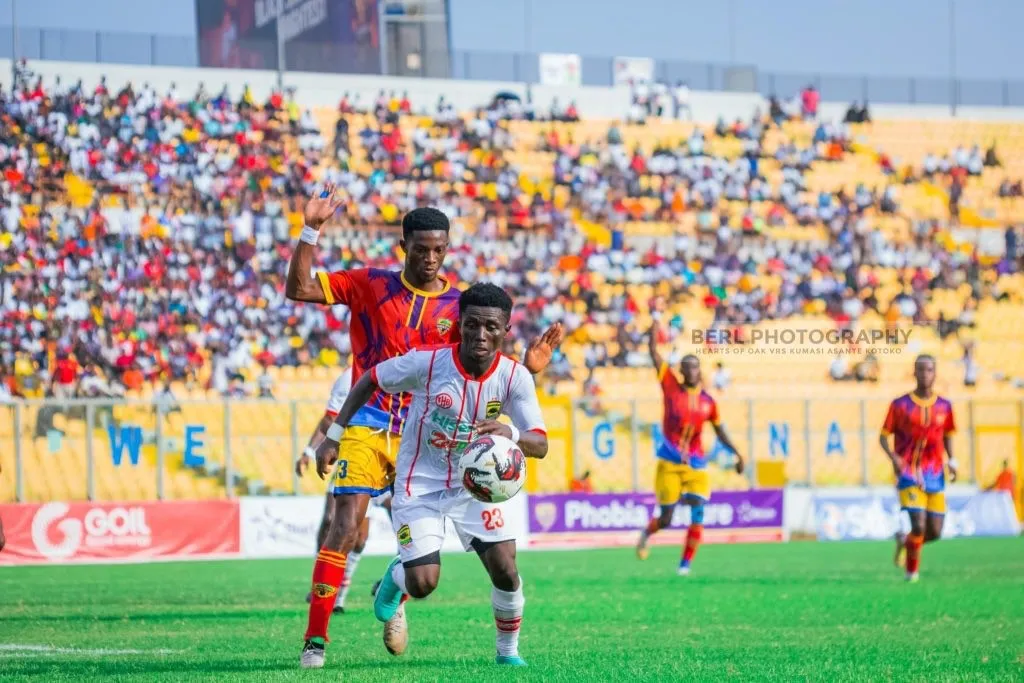
In Ghanaian football, no fixture carries more weight, tension, and raw emotion than the showdown between Accra Hearts of Oak and Kumasi Asante Kotoko. Known locally as the Superclásico or the Mankankan rivalry, this is not merely a sporting contest. It is a profound cultural, geopolitical, and historical feud that pits the coastal, cosmopolitan energy of Greater Accra against the rich, royal traditions of the Ashanti Kingdom.
The Geopolitical Foundations: Two Kingdoms on Grass
To understand the intensity on the pitch, one must understand the map of Ghana.
Key Takeaways
- In Ghanaian football, no fixture carries more weight, tension, and raw emotion than the showdown between Accra Hearts of Oak and Kumasi Asante Kotoko.
- A breakdown of the tense 1–1 first-leg draw at the Accra Sports Stadium that handed Kotoko a crucial away-goal advantage.
- It is the rivalry between Accra Hearts of Oak and Kumasi Asante Kotoko, known locally as the Mankankan derby.
Asante Kotoko, the Porcupine Warriors, were founded in 1935 in Kumasi. The club is deeply intertwined with the Ashanti Monarchy. Symbolised by the porcupine (Kotoko), whose motto is “If you kill a thousand, a thousand more will come,” the club represents the pride, defiance, and traditional warrior spirit of the Ashanti people. The King of the Ashantis, the Asantehene, is the club’s life patron.
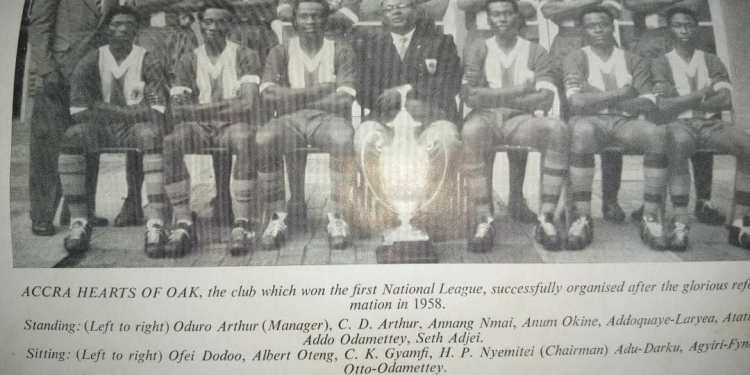
Hearts of Oak, the Phobians, were founded in 1911 in the colonial capital of Accra. Hearts represents the multi-ethnic, urban working class and coastal elite. They are the older establishment, representing the independent spirit of the nation’s political nerve centre.
When these two sides meet, centuries of regional identity, political influence, and bragging rights are distilled into ninety minutes of football.
The 1970s Domestic Wars: Polo vs. Osei Kofi
The golden era of the rivalry arrived in the 1970s, a period when local stadiums were packed to maximum capacity hours before kickoff. It was defined by the mesmerising individual brilliance of two generational icons.
Osei Kofi, the Wizardry Dribbler, represented Kotoko. He was a magician on the ball. His blistering pace, low centre of gravity, and ability to weave through entire defences made him the talisman of the Ashanti Kingdom.
Mohammed Polo, the King of Dribbling, represented Hearts. He countered with pure left-footed artistry. His elegance, vision, and defence-splitting passes made him the jewel of Accra.
The matches during this decade were high-octane chess games played at a ferocious physical pace. If Kotoko won in Kumasi, Accra would grind to a halt in mourning. If Hearts snatched a win at the Accra Sports Stadium, the coastal parties would last until sunrise. This period established the standard of unmatched local passion that elevated both clubs to continental giants.
The 2004 CAF Confederation Cup Final: Invading Kumasi
The absolute peak of the rivalry occurred on the continental stage during the maiden edition of the CAF Confederation Cup. After navigating a gruelling tournament, the football gods decreed an all-Ghanaian dream final: Hearts of Oak versus Asante Kotoko.
The Setup
The first leg in Accra ended in a tense 1–1 draw, giving Kotoko a massive advantage with an away goal. The second leg, played in January 2005, took place at the Baba Yara Sports Stadium in Kumasi, a venue widely considered an impenetrable fortress for the Porcupine Warriors.

The Match
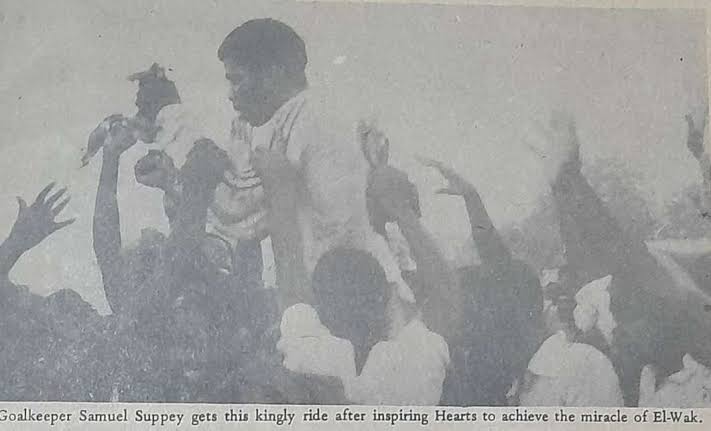
In front of a hostile sea of red Kotoko fans, the home side took the lead and looked destined to lift the trophy. But the Phobians, channeling their immortal “Never Say Die” spirit, fought back to score a dramatic late equaliser, tying the aggregate score at 2–2 and sending the final straight to penalties.
The Shootout Silence
In a gruelling, heart-stopping penalty shootout in front of Kumasi’s own fans, Hearts of Oak held their nerve. When the decisive Kotoko penalty missed, the Phobians secured an 8–7 victory.

Hearts of Oak had invaded the heart of the Ashanti Kingdom and snatched the historic, inaugural African trophy right out of their eternal rival’s hands. It remains the ultimate point of bragging rights in the century-long history of the Mankankan rivalry.
The Dramatic Prologue: The Night Hearts Invaded the Fortress
The air in Kumasi on that January evening in 2005 was thick with the certainty of victory.
The Baba Yara Sports Stadium was a cauldron of red, packed to the rafters with Porcupine Warriors who had come to witness the crowning of their kings. The first leg in Accra had ended 1–1, and Kotoko had the away goal. The mathematics were simple: a win, or even a low-scoring draw, would deliver the maiden CAF Confederation Cup to the Ashanti Kingdom. Hearts of Oak, the old enemy from the coast, had been invited into the fortress and were expected to be buried there.
The home side took the lead. The roar that followed was not just celebration. It was the sound of a kingdom asserting its supremacy. The trophy was within reach. The Phobians, the team of the coastal elite, the team of the colonial capital, were about to be humbled on Ashanti soil.
But Hearts of Oak had a motto born in the dust of 1911. “Never Say Die Until the Bones Are Rotten.” It was not a slogan. It was a promise.
The Phobians fought back. They pressed, they probed, and they found the dramatic late equaliser that silenced the stadium and sent the tie to penalties. The fortress, for the first time in the night, fell quiet.
The shootout was a test of nerve. Eight times Hearts scored. Eight times the pressure mounted. When the decisive Kotoko penalty missed, the silence in Kumasi was absolute. The Phobians had not just won a trophy. They had walked into the heart of the Ashanti Kingdom, survived the storm, and taken the prize from under the noses of their greatest rivals.
It was the night the Superclásico became more than a domestic rivalry. It became a continental legend.
The Chapter Outline: A Century of the Rivalry
Chapter 1: The Foundations of the Feud (1935–1955)
The geopolitical divide. An exploration of the cultural and historical roots separating the two clubs: Accra as the cosmopolitan, colonial political hub versus Kumasi as the ancient, proud seat of the Ashanti Kingdom.
The birth of the Porcupine. The 1935 founding of Asante Kotoko under the spiritual patronage of the Asantehene, built on the warrior motto: “If you kill a thousand, a thousand more will come.”

The first spark. The initial friendly matches and early regional tournaments that laid the groundwork for a fierce, century-long sporting civil war.
Chapter 2: The 1970s Domestic Wars — Chess on Grass
The era of the wizards. A detailed look at the decade where stadium gates were locked four hours before kickoff due to unprecedented local demand.
Polo versus Osei Kofi. A stylistic and tactical breakdown of the rivalry’s primary talismans: the raw, hypnotic dribbling magic of Kotoko’s Osei Kofi versus the elegant, left-footed artistry of Hearts’ Mohammed Polo.
The battle for national dominance. How the alternating league dominance of both teams elevated the overall quality of Ghanaian football, transforming the local league into the most competitive on the continent.
Chapter 3: The Millennium Peak and Tactical Supremacy (1990–2000)
The rise of the formations. How tactical evolutions shifted the rivalry from individual brilliance to systemic warfare, culminating in the birth of Hearts’ ruthless 64 Warfare system.
The transfer sagas. The high-stakes off-pitch battles, administrative mind games, and controversial player poachings that escalated tensions between management in Accra and Kumasi.
The psychological edge. How local folklore, team psychology, and fan superstitions became an active, acknowledged part of match-day preparations for both camps.
Chapter 4: The 2004 Continental Superclásico — Invading the Fortress
The ultimate confluence. How both clubs tore through West, North, and South African opposition to set up an all-Ghanaian dream final in the maiden edition of the CAF Confederation Cup.
The Accra gridlock. A breakdown of the tense 1–1 first-leg draw at the Accra Sports Stadium that handed Kotoko a crucial away-goal advantage.
The siege of Baba Yara. A minute-by-minute narrative of the legendary second leg in Kumasi. Tracing the tactical adjustments, the late Phobian equaliser, and the nerve-shredding 8–7 penalty shootout that saw Hearts of Oak hoist the African trophy on enemy soil.
Chapter 5: The Modern Legacy and Modern Crossroads
The echoes of history. How the 9 May 2001 stadium disaster fundamentally changed the security protocols, fan behaviour, and administrative handling of the Superclásico.
The modern landscape. Analysing how the globalised football market and the migration of young Ghanaian talents to Europe have impacted the domestic intensity of the rivalry today.
Never Say Die versus The Porcupine. A concluding look at why, despite changing eras, a victory in the Mankankan derby remains the ultimate benchmark of footballing pride in Ghana.
ASJ Bottom Line
The Hearts versus Kotoko rivalry is not just the biggest fixture in Ghanaian football. It is a distillation of the country’s history: the coastal capital against the royal inland kingdom, the colonial establishment against the warrior tradition, the rainbow against the porcupine.
The 2004 Confederation Cup final was the moment the rivalry became continental. Hearts walked into the fortress and took the trophy. Kotoko have never forgotten. Hearts have never stopped reminding them.
That is the Superclásico. A century of blood, royalty, and the rainbow. And it is still being written.
Quick Facts
Asante Kotoko was founded in 1935 in Kumasi, under the patronage of the Asantehene. Hearts of Oak was founded in 1911 in Accra. The rivalry is known as the Superclásico or the Mankankan derby. The 1970s rivalry was defined by Mohammed Polo of Hearts and Osei Kofi of Kotoko. The 2004 CAF Confederation Cup final was an all-Ghanaian affair. The first leg in Accra ended 1–1. The second leg in Kumasi ended 1–1. Hearts won the penalty shootout 8–7. It was the maiden edition of the CAF Confederation Cup. Hearts won the trophy on Kotoko’s home soil. The 9 May 2001 stadium disaster changed safety protocols for the fixture. The rivalry remains the biggest in Ghanaian football.
Last Updated on November 8, 2026 by Samuel Kwame Boadu
🏟️ Discover More Sports Stories
Looking for more in-depth sports news, interviews, and features? Visit Accra Sports News — your go-to for exclusive sports content in Ghana and beyond.
Disclaimer: Some content on Accra Street Journal may be aggregated, summarized, or edited from third-party sources for informational purposes. Images and media are used under fair use or royalty-free licenses. Accra Street Journal is a subsidiary of SamBoad Publishing Hub under SamBoad Business Group Ltd, registered in Ghana since 2014.
For concerns or inquiries, please visit our Privacy Policy or Contact Page.

Samuel Kwame Boadu is a Ghanaian media entrepreneur and storyteller with a passion for amplifying urban voices and uncovering everyday truths. He is the Editor-in-Chief and Founder of Accra Street Journal, a dynamic digital platform dedicated to capturing the pulse of Ghana’s capital—its people, culture, challenges, business, sports and innovations.
Use the following reference when citing or referencing this article.
Your feedback helps us improve our journalism.
Report an Error
Help us maintain accuracy. Let our editorial team know if you spot an issue in this article.
Report a problem with this article