For many small business owners in Ghana, taxes are viewed as a burden—an unavoidable deduction from hard-earned revenue that seems to disappear into the government’s coffers without visible return. This perception, while understandable, overlooks a fundamental truth: tax compliance is not merely an obligation but a strategic advantage.
In 2026, the landscape for small business taxation in Ghana is being reshaped. The Ghana Revenue Authority (GRA) has introduced the Modified Taxation Scheme (MTS), a simplified system designed to make compliance accessible for micro, small, and medium enterprises (MSMEs) . With digital registration platforms, mobile money payment options, and tax rates as low as 3% for qualifying businesses, the barriers to entry have never been lower .

Yet, despite these innovations, the informal sector still accounts for about 80% of Ghana’s economy . Many business owners remain outside the formal tax net, unaware that compliance offers benefits far beyond avoiding penalties.
📢 GET A DETAILED ARTICLES + JOBS
Join ASJ's WhatsApp Channel and never miss a post or opportunity.

This ASJ guide explores why tax compliance matters for small businesses—from legal protection and access to opportunities to building credibility and contributing to the national development that ultimately sustains your enterprise.
The New Reality: Tax Compliance Is Easier Than Ever
The Modified Taxation Scheme (MTS)
The GRA has introduced a game-changing initiative: the Modified Taxation Scheme (MTS), which took effect from July 1, 2025 . This scheme is specifically designed to make tax registration and payment more accessible, efficient, and transparent for businesses in the informal sector .

How It Works:
| Annual Turnover | Tax Rate | Payment Method |
|---|---|---|
| Below GHS 20,000 | Fixed quarterly payments (up to GHS 45) | Mobile money, USSD (*222#), bank deposits |
| GHS 20,000 – GHS 500,000 | 3% of annual turnover (Presumptive Tax Based on Turnover) | Simplified digital platform |
| GHS 20,000 – GHS 500,000 | Graduated rates with deductions (Modified Cash Basis option) | Simplified digital platform |
Example: A small business making GHS 200,000 per year will pay just GHS 6,000 in taxes . For a business earning GHS 25,000, the contribution is only GHS 750 .
Simplified Registration Process
Gone are the days of complicated forms and endless bureaucracy. The new system offers:
-
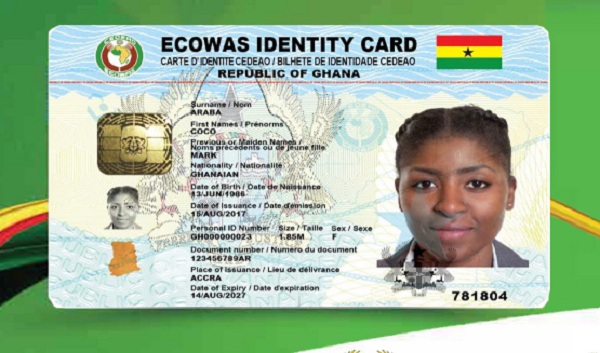
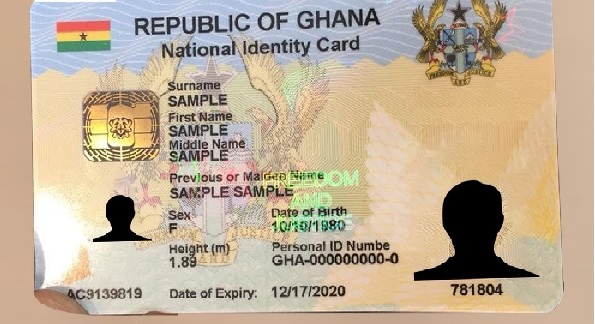
Digital registration via the GRA’s taxpayersportal.com using your Ghana Card
-
Dedicated mobile app for registration and payment
-
USSD code (*880#) for quick access
-
Multiple payment options, including mobile money
-
In-person assistance at Taxpayer Service Centres (TSCs) nationwide
As Commissioner-General of the GRA, Anthony Kwasi Sarpong, stated: “The Modified Taxation Scheme offers a fair, predictable, and convenient way for micro, small, and medium businesses to comply with tax laws. It reduces bureaucracy, limits discretion, and builds trust between taxpayers and the GRA” .
Why Compliance Matters: The Benefits
1. Legal Protection and Peace of Mind
Operating outside the tax net carries significant risks. Failure to register and pay taxes can result in penalties, interest charges, and legal consequences . The GRA has announced plans to introduce digital surveillance technology to track online transactions in real time, making evasion increasingly difficult .
Compliant businesses enjoy:
-
Freedom from the stress of potential audits or enforcement actions
-
Protection against arbitrary tax assessments
-
The ability to focus on growing your business rather than looking over your shoulder
2. Access to Government Contracts and Opportunities
In Ghana, tax compliance is often a prerequisite for participating in government procurement. The government has a policy of using locally manufactured goods and services, but to be considered, your business must be properly registered and tax-compliant .
Tax Clearance Certificates (TCCs), available only to compliant taxpayers, are required for:
-
Bidding on government contracts
-
Accessing government loans and grants
-
Participating in public-private partnerships
-
Some private sector tenders
3. Building Business Credibility
For suppliers, banks, and potential investors, tax compliance signals that your business is legitimate, stable, and trustworthy. A Tax Identification Number (TIN) and consistent tax payments demonstrate that you are operating professionally and transparently.

Credibility benefits include:
-
Easier access to bank loans and credit facilities
-
Greater trust from suppliers and larger companies
-
Increased confidence from customers who value working with established businesses
-
Eligibility for the 24-Hour Economy Authority incentives, including duty-free equipment importation
4. Contributing to National Development
Taxes are not simply money leaving your business—they are your contribution to the infrastructure and services that enable your business to operate. As Chief of Staff Julius Debrah noted: “We build roads, equip our security agencies, and drive growth through the taxes we pay. National development depends on our collective contribution” .
When you pay taxes, you help fund:
-
Roads and transportation networks that move your goods
-
Security services that protect your business
-
Education systems that train your future employees
-
Healthcare facilities that serve your family and staff
-
The stable economic environment that allows your business to thrive
5. Avoiding the “Arbitrary Taxation” Trap
Research from the Nordic Africa Institute reveals that informal businesses often face arbitrary, unpredictable taxation. Tax officers may estimate turnover by looking at the products on a shop’s shelves, creating a random system that breeds corruption and erodes trust .
When you register formally and pay through the official system, you gain predictability. Your tax obligation is based on your actual reported income, not a subjective assessment. You can plan, budget, and know exactly what you owe .
6. Access to Tax Education and Support
Registered taxpayers gain access to a range of GRA services:
-
Taxpayer education programs to help you understand your obligations
-
Guidance on filing and payment through multiple channels
-
Support for resolving disputes through official processes
-
Information on available incentives for your sector
7. Unlocking Sector-Specific Incentives
Ghana offers significant tax incentives for businesses in priority sectors. These include tax holidays, reduced rates, and exemptions—but only for compliant, registered businesses .
| Sector | Incentive |
|---|---|
| Agro-processing | 5% corporate tax for first 5 years |
| Tree crop farming | 5% corporate tax for first 10 years |
| Waste processing | 5% corporate tax for first 7 years |
| Real Estate (low-cost housing) | 5% corporate tax for first 5 years |
| Rural Banks | 5% corporate tax for first 10 years |
Source: Ghana Revenue Authority
The Cost of Non-Compliance: What You Risk
Penalties and Interest
The GRA can impose significant penalties for late filing, late payment, or failure to register. These include:
-
Interest on unpaid taxes
-
Penalties of up to 30% of the tax amount
-
Potential legal action
Missed Opportunities
Without a Tax Clearance Certificate, you cannot:
-
Bid for government contracts
-
Access certain loans and grants
-
Participate in major supply chains that require vendor compliance
Reputational Damage
In an increasingly formalised economy, tax compliance is becoming a mark of professionalism. Non-compliant businesses may find themselves excluded from business associations, networking opportunities, and partnerships with larger companies.

Vulnerability to Arbitrary Enforcement
Informal businesses remain subject to the unpredictable field assessments described by researchers—where tax officers count products on your shelves and estimate what you owe . Formal registration gives you control over your tax obligations.
The Perception Challenge: Why Some Business Owners Resist
Research from the Nordic Africa Institute reveals that many Ghanaian businesses view the tax system as unfair. In a survey of 600 firms, the average perceived fairness score was only 51% on a scale of 0 to 100 .
Common concerns include:
-
The tax burden is perceived as heavier for formal businesses than informal ones
-
Many small firms feel they are taxed disproportionately compared to larger enterprises
-
The introduction of new taxes, like the short-lived emissions levy, erodes trust
However, the government has responded to these concerns. The new administration removed several taxes, including the 10% withholding tax on betting winnings, the 1.5% tax on unprocessed gold, and the carbon emissions levy . The MTS was specifically designed to simplify compliance for small businesses .
As the Deputy Minister of Finance, Thomas Nyarko Ampem, noted: “Compliance has been low over the years, but with the MTS and sustained tax education, we are changing that narrative .
How to Get Started: A Step-by-Step Guide
Step 1: Obtain Your TIN
If you are an individual, your Ghana Card Personal Identification Number is already your Taxpayer Identification Number (TIN) . Simply visit taxpayersportal.com to activate your account.
For businesses, you will need:
-
Certificate of incorporation or business registration
-
Ghana Card of business owners/directors
-
Business location details
-
Financial statements
Step 2: Choose Your Tax Scheme
Based on your annual turnover, select the appropriate scheme:
| Turnover | Recommended Scheme |
|---|---|
| Below GHS 20,000 | Fixed quarterly payments |
| GHS 20,000 – GHS 500,000 | Presumptive Tax Based on Turnover (3%) or Modified Cash Basis |
| Above GHS 500,000 | Standard corporate or personal income tax |
Step 3: Register via Digital Platform
Option 1: Visit taxpayersportal.com and register with your Ghana Card
Option 2: Dial *880# for mobile registration
Option 3: Download the GRA mobile app
Option 4: Visit your nearest Taxpayer Service Centre
Step 4: Make Payments
Payments can be made via:
-
Mobile money (using the USSD code)
-
Bank deposits
-
The GRA digital platform
Step 5: File Returns
For businesses on the MTS, returns are simplified. The GRA’s tax education programs are available to guide you through the process .
The Bigger Picture: Trust and the Social Contract
Beyond individual benefits, tax compliance is about something larger: the social contract between citizens and the state. When businesses pay taxes, they gain the right to demand accountability. They can ask: Where are our roads? Why are schools underfunded? How is our money being used?
Research from the Nordic Africa Institute shows that when tax systems are perceived as arbitrary and unfair, it erodes public trust and may incentivize tax avoidance . Conversely, when compliance is simplified and taxation is transparent, trust grows.
The MTS represents an effort to build that trust. As Commissioner-General Sarpong stated: “When citizens understand the value of paying taxes, compliance becomes a natural choice — not an obligation enforced by law” .
Conclusion: Compliance as Strategy
For small business owners in Ghana, tax compliance is not merely a legal requirement—it is a strategic decision with tangible benefits. It opens doors to government contracts, builds credibility with banks and suppliers, provides legal protection, and contributes to the national infrastructure that makes business possible.
In 2026, the barriers to compliance have never been lower. The Modified Taxation Scheme offers simplified rates, digital registration, and multiple payment channels. Tax education programs are available to guide you. And the government has demonstrated responsiveness by removing unpopular taxes and engaging with business associations to co-create solutions .
The question is no longer whether you can afford to pay taxes. It is whether you can afford not to—in terms of missed opportunities, legal risk, and the loss of credibility that comes with operating outside the formal economy.
As the GRA continues to modernize and expand its digital surveillance capabilities, the informal sector’s days of operating entirely outside the tax net are numbered . The smart business owner will not wait for enforcement to compel compliance. Instead, they will embrace the benefits that come with being a registered, tax-compliant enterprise—building a business that is not only profitable but sustainable, credible, and positioned for growth.
Frequently Asked Questions (FAQs)
1. Do I need to pay taxes if my business is very small?
Yes. If your annual turnover is below GHS 20,000, you pay fixed quarterly payments of up to GHS 45 . If your turnover is between GHS 20,000 and GHS 500,000, you pay 3% of turnover under the Presumptive Tax scheme .
2. What is the Modified Taxation Scheme (MTS)?
The MTS is a simplified tax system introduced by the GRA in July 2025 to make tax compliance easier for micro, small, and medium enterprises. It offers flat rates, simplified registration, and multiple payment options including mobile money .
3. How do I register for taxes as a small business?
You can register online at taxpayersportal.com using your Ghana Card, dial *880# via mobile, download the GRA app, or visit any Taxpayer Service Centre .
4. What documents do I need to register my business for taxes?
You will need your certificate of incorporation or business registration, Ghana Card of business owners/directors, business location details, and financial statements .
5. What is a Tax Clearance Certificate and why do I need it?
A Tax Clearance Certificate (TCC) is issued to compliant taxpayers and is often required for bidding on government contracts, accessing loans, and participating in tenders .
6. What are the penalties for not paying taxes?
Penalties include interest on unpaid taxes, penalties of up to 30% of the tax amount, and potential legal action .
7. Are there tax incentives for specific business sectors?
Yes. Agro-processing, tree crop farming, waste processing, real estate, and rural banks enjoy reduced corporate tax rates or tax holidays. Non-traditional exporters pay an 8% concessionary rate .
8. How does tax compliance benefit my business beyond avoiding penalties?
Compliance builds credibility with banks and suppliers, makes you eligible for government contracts, and provides access to Tax Clearance Certificates needed for many business opportunities .
9. What if I don’t understand the tax filing process?
The GRA offers taxpayer education programs to help businesses understand their obligations. You can also seek assistance from Taxpayer Service Centres or consult advisory firms like Makers and Partners .
10. Does the GRA track online transactions?
Yes. The GRA has announced plans to introduce digital surveillance technology to monitor online payments and identify the tax component at the point of transaction
Source: Accra Street Journal
Last Updated on March 20, 2026 by Samuel Kwame Boadu
Disclaimer: Some content on Accra Street Journal may be aggregated, summarized, or edited from third-party sources for informational purposes. Images and media are used under fair use or royalty-free licenses. Accra Street Journal is a subsidiary of SamBoad Publishing Hub under SamBoad Business Group Ltd, registered in Ghana since 2014.
For concerns or inquiries, please visit our Privacy Policy or Contact Page.

Samuel Kwame Boadu is a Ghanaian media entrepreneur and storyteller with a passion for amplifying urban voices and uncovering everyday truths. He is the Editor-in-Chief and Founder of Accra Street Journal, a dynamic digital platform dedicated to capturing the pulse of Ghana’s capital—its people, culture, challenges, business, sports and innovations.