

12 min read
If you have ever found yourself scrolling through property listings at 2 a.m., trying to figure out why a “cosy studio” in Cantonments costs more than your annual tuition fee, you are not alone. The Accra rental market has a reputation for moving fast, asking for two years’ rent upfront, and leaving even seasoned renters wondering if they missed a memo.
For many Ghanaians and expatriates alike, the search for an apartment in the capital has become a test of patience, budget, and sometimes, sheer luck. Whether you are a young professional relocating from Tema for a new job, a small business owner looking for a secure space in Osu, or a family trying to settle into a quiet neighbourhood in East Legon, the question remains the same: what should I actually expect to pay?
Key Takeaways
- Self-Contained/Chamber & Hall: These start as low as GHS 2,500 to GHS 5,000 per year, especially in developing areas further off the main road.
- 3-Bedroom: For a modern house in a gated community like Adenta West or Sterling, you are looking at GHS 15,000 to GHS 25,000 per year.
- Prices in these areas are competitive, with 2-bedroom apartments often ranging from $3,500 to $6,000 per year.
While property websites and agents love to throw around figures, the reality on the ground—what people are actually paying after negotiating, dealing with “agency fees,” and factoring in service charges—is often different. This ASJ guide breaks down the current state of rent in Accra, focusing on specific areas, property types, and the hidden costs that catch first-time renters off guard.
The State of the Accra Rental Market
Accra’s rental market is unique compared to many global cities. The most significant barrier remains the advance rent payment. Unlike in places where you pay monthly, most landlords in Accra demand between one and two years’ rent upfront. This is a non-negotiable for most mid-to-high-end properties, though some landlords in developing areas are beginning to accept one year or bi-annual payments due to the economic pressures on tenants.
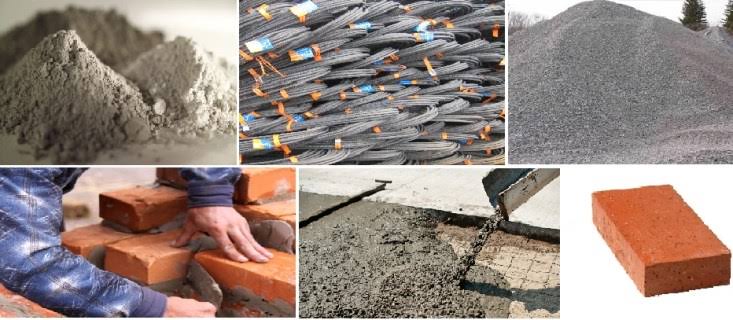
Over the last two years, the cedi’s fluctuation and the rising cost of building materials have pushed rents up. Even in areas like Spintex or Adenta, which were traditionally considered “affordable” suburbs, prices have seen a steady climb. However, there are still pockets of value if you know where to look—and if you are willing to compromise on aesthetics or commute time.
What You’re Paying by Neighbourhood
To give you a realistic picture, we have broken down the current average annual rents across Accra’s most sought-after residential areas. These figures are based on current listings, tenant experiences, and data from local real estate agents as of 2024. Remember, prices vary based on finishing (tiled floors vs. screed, fitted wardrobes, AC units), security, and proximity to main roads.
East Legon & Adjacent Areas (Airport Residential, Cantonments)
East Legon remains the heartbeat for nightlife, corporate offices, and the expatriate community. It is where you pay a premium for convenience and status.
-
Studio & Single Rooms: In areas like East Legon Hills or near the American International School, a decent studio (often called a “self-contained”) starts from $1,200 to $1,800 per year if paying locally, but in dollar-denominated luxury complexes, you are looking at $4,000 to $6,000 annually.
-
1-Bedroom Apartments: A modern 1-bedroom in a gated community (like around Shiashie or Lakeside Estate) typically runs between $2,500 and $4,500 per year. If you convert this to Ghana cedis at current exchange rates, this is roughly GHS 35,000 to GHS 65,000 annually.
-
2-Bedroom Apartments: This is the sweet spot for young families or roommates. In prime East Legon, expect to pay $5,000 to $8,000 per year. In luxury high-rises near the Airport, that figure can hit $12,000+ .
-
3-Bedroom & Family Homes: A standard 3-bedroom house in a compound house setting might go for $8,000 to $12,000, while a detached 4-bedroom in a gated community can easily fetch $20,000 to $35,000 per year.
Local Insight: In East Legon, many landlords now prefer dollar payments. If you are earning in cedis, this can be a major pain point due to exchange rate volatility. Always clarify the currency of payment before viewing.
Osu, Labone & Cantonments
These areas are prime for professionals who want to be close to the central business district, embassies, and social hubs. The architecture here is a mix of colonial-era houses and modern luxury apartments.
-
1-Bedroom: A modern 1-bedroom in a secured apartment block in Labone or Osu starts from $3,000 to $5,000 per year. Older units in compound houses can be found for GHS 12,000 to GHS 18,000 annually, but they often come with less privacy.
-
2-Bedroom: In Cantonments, a 2-bedroom in a well-managed gated community is rarely below $8,000 per year. In Osu, near the Oxford Street strip, you might find flats for $5,000 to $7,000, though parking is often a nightmare.
-
3-Bedroom: For a detached house or a large apartment in these prime zones, you are looking at $15,000 to $30,000 per year.
Local Insight: If you work in Accra Central or Ridge, living in Osu or Labone saves you massive amounts on fuel and traffic time. However, noise pollution (especially in Osu during weekends) is a major con.

Spintex & Community 18
Spintex Road and its surrounding communities (like Community 18, Mataheko, and Sakumono) are the industrial and mid-range residential hub. It is popular with young couples and families who work in Tema or along the Spintex industrial area.
-
Self-Contained/Single Rooms: This is where affordability peaks. A single room with a private bath and kitchen (often called a “chamber and hall”) can go for GHS 3,000 to GHS 6,000 per year.
-
1-Bedroom: A modern 1-bedroom in a fenced compound on Spintex (near Manet or Tullow) goes for GHS 8,000 to GHS 15,000 per year.
-
2-Bedroom: You can find decent 2-bedroom apartments here for GHS 12,000 to GHS 20,000 per year. These are often in compound houses with shared gates and borehole water.
-
3-Bedroom: For a comfortable 3-bedroom house in a quiet enclave off the main road, expect GHS 18,000 to GHS 30,000 per year.
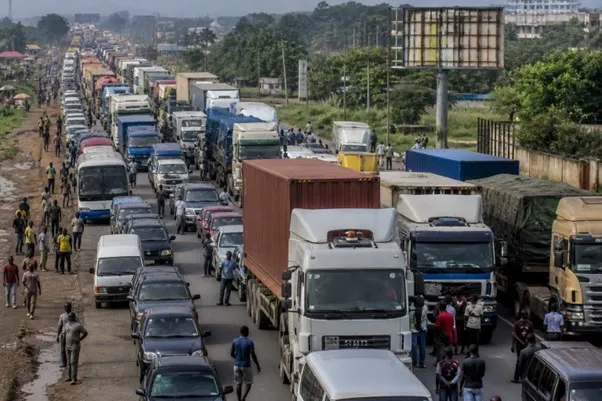
Local Insight: The major issue in Spintex is water and traffic. While the rent is lower, you will likely need to budget for frequent water tanker deliveries (since Ghana Water Company supplies are erratic) and the infamous Spintex traffic jam that can trap you for hours.

Tema (Communities 1 – 25)
Tema offers structured, planned living. It is often the choice for families working at the Tema Harbour or those who prefer a quieter, more organized environment than central Accra.
-
1-Bedroom (Flats): In the older communities (Community 4, 5), a 1-bedroom flat in a TDC block can go for GHS 6,000 to GHS 10,000 per year. In newer developments like Community 25 (Afienya), prices are slightly lower but rising.
-
2-Bedroom: A standard 2-bedroom in Community 11 or 12 goes for GHS 10,000 to GHS 18,000 per year.
-
3-Bedroom: For a detached house in Community 18 or a bungalow in the upscale “Valley” areas, expect GHS 20,000 to GHS 40,000 per year.
Local Insight: Tema is great for families because of the ample green spaces and lower crime rates compared to central Accra. However, the commute to Accra central is a killer—if you work in Cantonments, you are looking at a 2-hour journey each way during peak hours.
Adenta, Kwabenya & The “Dome” Axis
The northern corridor (Adenta, Kwabenya, Frafraha, and Dome) has exploded in population over the last decade. It is now a sprawling suburb where many middle-income families settle to escape high rents.
-
Self-Contained/Chamber & Hall: These start as low as GHS 2,500 to GHS 5,000 per year, especially in developing areas further off the main road.
-
1-Bedroom: A standard 1-bedroom in a fenced compound in Adenta goes for GHS 5,000 to GHS 9,000 per year.
-
2-Bedroom: You can secure a decent 2-bedroom for GHS 8,000 to GHS 15,000 per year.
-
3-Bedroom: For a modern house in a gated community like Adenta West or Sterling, you are looking at GHS 15,000 to GHS 25,000 per year.
Local Insight: The value in Adenta comes with a cost: road infrastructure. During the rainy season, many roads become impassable. Also, the reliance on “trotro” or ride-hailing apps adds a significant monthly expense if you work in Accra central.
Hidden Costs You Must Factor In
When calculating what you will pay for an apartment in Accra, the “rent” figure is only the beginning. Here are the additional costs that often shock new renters:
-
Agency Fees: Typically 10% of the annual rent. If you find a place for GHS 20,000 a year, you need an extra GHS 2,000 for the agent. Legally, the landlord often pays this, but in practice, tenants usually end up footing the bill.
-
Service Charges: In gated communities and modern apartment blocks, service charges cover security, garbage collection, and common area lighting. These can range from GHS 1,000 to GHS 5,000 per year.
-
Water & Electricity: Landlords rarely include utilities. Budget for pre-paid meters. In areas with water shortages (like Spintex or parts of East Legon), you will pay for water tankers—around GHS 300 to GHS 500 per truck.
-
Maintenance: Most rentals are “as-is.” If an air conditioner breaks or a pipe bursts, you are often responsible for the repair unless it is a high-end managed property.
Trends Shaping Rents in Accra
1. The Shift to Dollarization
More landlords, particularly in East Legon, Cantonments, and Osu, are insisting on dollar payments. If you are paid in cedis, this introduces a risk factor. If the cedi depreciates, your rent effectively increases mid-lease. Always ask: “Is this price in dollars or cedis, and is it fixed?”
2. The Rise of Short-Lets vs. Long-Term
With the growth of platforms like Airbnb and the increasing number of digital nomads, many landlords are shifting away from the traditional 2-year advance model. They prefer short-term rentals (nightly or monthly) which yield higher returns. This is reducing the inventory for long-term renters, tightening supply, and pushing up long-term rental prices.
3. The “Roommate” Economy
It is becoming increasingly common for young professionals in Accra to pool resources. A 3-bedroom in a prime area like Airport Residential might cost $15,000. Split three ways, that is $5,000 per person—cheaper than renting a 1-bedroom alone in the same area. Shared apartments are becoming the new normal for singles in their 20s and 30s.
4. Development of “Affordable” Estates
Developers are now building mass housing projects in areas like Appolonia City, Dawa Industrial Park, and Ayimensah. These estates offer modern, serviced homes with mortgages or rent-to-own plans, providing an alternative to the traditional upfront advance model. Prices in these areas are competitive, with 2-bedroom apartments often ranging from $3,500 to $6,000 per year.
Tips for Navigating the Accra Rental Market
-
Inspect at Different Times: Visit the property during the day for security and lighting, but also drive by at night to see if the area is noisy or if the neighbours keep late hours.
-
Negotiate the Advance: If the landlord asks for 2 years, ask if you can pay 1 year + 6 months post-dated cheques. In a slow market, some landlords are open to negotiation.
-
Join Local WhatsApp Groups: Many rentals in Accra are never listed on property sites. Community WhatsApp groups (for residents of East Legon, Tema, etc.) often have direct listings from landlords bypassing agent fees.
-
Check the Land Title: Before paying a huge advance, it is wise to verify that the person renting to you is the actual owner. Rental fraud is real in Accra. A simple search at the Lands Commission or asking for the title deed can save you from losing GHS 50,000.
ASJ’s Conclusion
Renting in Accra requires patience, a clear budget, and a willingness to compromise. While the headline figures for East Legon might seem astronomical, the city still offers viable options for those willing to explore the suburbs or adjust their expectations regarding finishes and space.

The key is to move beyond the advertised price. Focus on the total cost of living—including commute, utilities, and security—and be prepared for the upfront financial commitment. Whether you end up in a cozy studio in Labone or a spacious family home in Tema Community 25, understanding what the market actually charges (and what you are actually getting for your money) is the first step to finding a place that feels like home.
Frequently Asked Questions (FAQs)
1. Why do landlords in Accra ask for 2 years’ rent in advance?
The practice stems from a lack of accessible mortgage financing and a desire for financial security. Many landlords use the advance rent to fund other projects, maintain the property, or simply as a hedge against inflation and currency depreciation. While frustrating for tenants, it is a deeply entrenched part of the market.
2. Is it cheaper to rent in dollars or cedis?
It depends on the stability of the cedi. If you earn in cedis, a dollar-denominated rent exposes you to exchange rate risk. If the cedi weakens, you will need more cedis to cover the rent. Generally, renting in cedis offers more predictability for local earners. Always calculate the total cost based on current exchange rates before committing.
3. What is the difference between a “self-contained” and an “apartment” in Ghanaian listings?
In Ghanaian real estate lingo, a “self-contained” usually refers to a single room (chamber) with a private bathroom and kitchenette. It is often part of a larger compound house. An “apartment” typically implies a unit with separate bedrooms, a living area, and a kitchen, often within a multi-unit building or gated community. The price difference is significant.
4. How can I avoid paying the 10% agency fee?
You can try to find “direct landlord” listings on social media marketplaces (like Facebook Marketplace or local WhatsApp groups). However, many landlords still rely on agents to vet tenants. If you do use an agent, ensure they are licensed and that the fee is clearly stated in a written agreement before you pay.
5. Are utilities usually included in the rent in Accra?
No, utilities (water and electricity) are rarely included in the rent. Most apartments in Accra are fitted with prepaid meters for electricity. Water is often paid via a monthly bill or through water tanker services in areas where the national supply is inconsistent. Always confirm the water and electricity situation before signing a lease.
Last Updated on June 19, 2026 by Samuel Kwame Boadu
Disclaimer: Some content on Accra Street Journal may be aggregated, summarized, or edited from third-party sources for informational purposes. Images and media are used under fair use or royalty-free licenses. Accra Street Journal is a subsidiary of SamBoad Publishing Hub under SamBoad Business Group Ltd, registered in Ghana since 2014.
For concerns or inquiries, please visit our Privacy Policy or Contact Page.

Samuel Kwame Boadu is a Ghanaian media entrepreneur and storyteller with a passion for amplifying urban voices and uncovering everyday truths. He is the Editor-in-Chief and Founder of Accra Street Journal, a dynamic digital platform dedicated to capturing the pulse of Ghana’s capital—its people, culture, challenges, business, sports and innovations.
Use the following reference when citing or referencing this article.
Your feedback helps us improve our journalism.
Report an Error
Help us maintain accuracy. Let our editorial team know if you spot an issue in this article.
Report a problem with this article