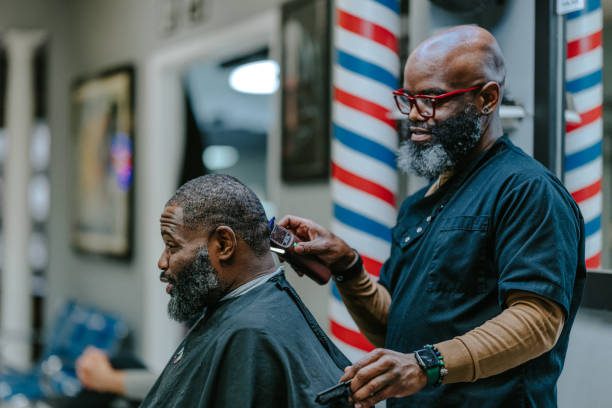
In Accra’s dynamic urban landscape, barbershops and salons are more than grooming spaces — they are social hubs, networking points, and small business success stories. From roadside barbering kiosks to high-end beauty lounges in upscale neighborhoods, the competition is intense.
Yet despite the crowded marketplace, many barbershops and salons continue to thrive.

Their survival is not accidental. It is built on adaptability, branding, customer loyalty, and strategic innovation. In a city where appearance plays a strong role in professional and social life, grooming services remain in high demand — but so does quality.
📢 GET A DETAILED ARTICLES + JOBS
Join ASJ's WhatsApp Channel and never miss a post or opportunity.

This ASJ editorial explores how Accra’s barbershops and salons stay competitive, attract customers, and sustain growth in a fast-evolving beauty market.
1. Strategic Location Matters
Location is one of the strongest competitive factors.

Successful barbershops and salons position themselves:
-
Near busy roads
-
Close to residential estates
-
Around university campuses
-
Within commercial hubs
-
Near transport terminals
High foot traffic increases walk-in clients. At the same time, salons in quieter residential areas often benefit from loyal neighborhood customers.
Accessibility reduces friction. When grooming is convenient, repeat visits increase.
2. Branding Beyond the Haircut
In today’s Accra, grooming businesses understand that they are not just selling haircuts or styling — they are selling experience.
Competitive salons invest in:
-
Clean, attractive interiors
-
Comfortable waiting areas
-
Professional signage
-
Distinctive brand names
Visual appeal influences perception. A well-branded shop signals professionalism and reliability.
Customers are more likely to trust a salon that looks organized and modern.
3. Customer Service as a Differentiator
Technical skill may attract first-time customers. Customer service keeps them returning.
Leading barbershops and salons focus on:

-
Friendly communication
-
Respect for appointment times
-
Personalized attention
-
Cleanliness and hygiene
-
Polite after-service follow-up
In a saturated market, attitude matters as much as ability.
Customers remember how they were treated — not just how they looked.
4. Leveraging Social Media Visibility
Social media has transformed how grooming businesses compete.
Barbers and stylists showcase:
-
Before-and-after transformations
-
Video clips of haircut techniques
-
Customer testimonials
-
Trending styles
-
Promotional offers
Platforms such as Instagram and TikTok have become powerful marketing tools.
A barber in East Legon can gain customers from across the city if their work goes viral.
Digital visibility expands reach beyond physical location.
5. Specialization and Niche Positioning
Some of the most competitive grooming businesses differentiate through specialization.
Examples include:
-
Premium fades and detailed hair art
-
Natural hair care expertise
-
Bridal styling packages
-
Kids-only barber services
Niche positioning allows businesses to charge premium prices and build a distinct reputation.
Instead of competing solely on price, they compete on expertise.
6. Competitive but Strategic Pricing
Pricing plays a sensitive role in competitiveness.
Barbershops and salons in Accra typically balance:
-
Affordability
-
Perceived value
-
Neighborhood income levels
Undercutting prices too aggressively can signal low quality. Charging too high without visible value can reduce demand.
Successful businesses adjust pricing strategically while maintaining service standards.
7. Hygiene and Professional Standards
In grooming services, hygiene builds trust.
Competitive salons prioritize:
-
Sterilized tools
-
Clean towels
-
Neat floors and mirrors
-
Proper waste disposal
-
Sanitized workstations
Health awareness has increased customer expectations.
A clean environment reassures clients and encourages repeat visits.
8. Building Loyal Clientele
Repeat customers form the backbone of stable revenue.
Barbers and stylists build loyalty by:
-
Remembering customer preferences
-
Offering small discounts for frequent visits
-
Sending appointment reminders
-
Providing consistent results
Consistency builds familiarity.
Many clients remain loyal to one barber or stylist for years, even if they relocate within Accra.
9. Adapting to Trends Quickly
Grooming trends change rapidly.
From global hairstyle influences to local fashion shifts, competitive salons stay informed.
They:
-
Learn new techniques
-
Attend workshops
-
Watch international tutorials
-
Practice advanced styling
Staying updated prevents stagnation.
In a fashion-forward city like Accra, trend awareness is essential.
10. Flexible Business Models
Some barbers and stylists expand beyond fixed locations.
Mobile grooming services are emerging, offering:
-
Home haircuts
-
Event styling
-
On-demand bridal services
This flexibility increases income streams and customer convenience.
Adaptability ensures survival in fluctuating economic conditions.
11. Product Sales as Revenue Boosters
Many salons increase profitability by selling:
-
Hair oils
-
Shampoos
-
Styling products
-
Grooming kits
Retailing products allows businesses to monetize customer trust beyond the service itself.
It also reinforces brand identity.
12. Community Engagement
Barbershops especially serve as community spaces.
They become:
-
Conversation hubs
-
Networking points
-
Informal meeting spaces
Strong community presence strengthens loyalty.
When customers feel emotionally connected to a space, they are less likely to switch providers.
13. Managing Competition Through Collaboration
Despite intense competition, some grooming professionals collaborate by:
-
Referring clients for specialized services
-
Sharing supply contacts
-
Mentoring apprentices
Healthy competition strengthens overall standards within the industry.
14. Training and Apprenticeship Systems
Apprenticeship remains a strong feature in Accra’s grooming industry.
Young trainees learn through hands-on mentorship.
This ensures skill continuity while helping shop owners expand capacity.
Well-trained assistants reduce workload and improve service efficiency.
15. Economic Resilience and Adaptation
Accra’s economic fluctuations influence consumer spending patterns.
During tight periods, some customers may stretch time between visits.
Competitive salons adapt by:
-
Introducing promotional packages
-
Offering bundle services
-
Providing flexible pricing options
Resilience ensures continuity.
Why This Industry Continues to Grow
Grooming remains essential. Regardless of economic cycles, haircuts, styling, and beauty services maintain steady demand.
Urban professionals, students, entrepreneurs, and families all require grooming regularly.
As Accra grows, so does demand.
Competition may increase — but so does opportunity.
Frequently Asked Questions (FAQs)
1. Why are there so many barbershops and salons in Accra?
Grooming services require relatively low startup capital and maintain consistent demand.
2. How do salons attract new customers?
Through social media marketing, referrals, location visibility, and showcasing quality work.
3. What keeps customers loyal?
Consistent service, professionalism, hygiene, and strong customer relationships.
4. Do grooming businesses rely heavily on social media?
Yes. Visual platforms help attract and retain clients.
5. Can small barbershops compete with high-end salons?
Yes, especially by focusing on skill, customer service, and niche positioning.
Conclusion Frm ASJ
Accra’s barbershops and salons remain competitive because they adapt, innovate, and prioritize relationships.
In a crowded beauty market, survival depends on more than cutting hair or styling braids. It requires branding, consistency, digital visibility, and emotional connection with customers.
The most successful grooming businesses understand that they are not just shaping appearances — they are shaping experiences.
And in Accra’s fast-moving urban economy, experience is everything.
Source: Accra Street Journal
Last Updated on February 25, 2026 by Samuel Kwame Boadu
Disclaimer: Some content on Accra Street Journal may be aggregated, summarized, or edited from third-party sources for informational purposes. Images and media are used under fair use or royalty-free licenses. Accra Street Journal is a subsidiary of SamBoad Publishing Hub under SamBoad Business Group Ltd, registered in Ghana since 2014.
For concerns or inquiries, please visit our Privacy Policy or Contact Page.

Samuel Kwame Boadu is a Ghanaian media entrepreneur and storyteller with a passion for amplifying urban voices and uncovering everyday truths. He is the Editor-in-Chief and Founder of Accra Street Journal, a dynamic digital platform dedicated to capturing the pulse of Ghana’s capital—its people, culture, challenges, business, sports and innovations.