13 min read
Introduction: Why Visit Ejisu?
Ejisu, located just east of Kumasi in Ghana’s Ashanti Region, is more crossroads than destination—a place where the pulse of Ashanti history beats strongly beneath a quiet, unhurried surface . For travelers seeking a genuine experience away from the tourist crowds of Kumasi, Ejisu offers a rare opportunity to walk where history was made.
This is the hometown of Yaa Asantewaa, the legendary Queen Mother who led the 1900 War of the Golden Stool against British colonial forces . Here, traditional Ashanti chieftaincy remains vibrantly alive, local markets hum with daily commerce, and the surrounding hills hide sacred forests and cocoa farms waiting to be explored.
Key Takeaways
- Ejisu is located approximately 30 kilometers east of Kumasi, the Ashanti regional capital .
- You must take a bus from Accra to Kumasi (4.5–5 hours), then a taxi or tro-tro to Ejisu (30–45 minutes).
- Fly from Accra to Kumasi (40–50 minutes, GHS 600–1,500), then take a taxi to Ejisu .
Whether you’re tracing Ashanti history, looking for a peaceful base to explore the region, or simply passing through on your way to the Bobiri Butterfly Sanctuary, this ASJ guide covers everything you need to know about getting to Ejisu, where to stay, and what to experience.
How Far Is Ejisu from Accra?
| Mode | Distance | Travel Time |
|---|---|---|
| Bus + Taxi | ~250 km | 5–6 hours |
| Private Car | 220–230 km | 3–3.5 hours |
| Flight + Taxi | ~250 km (flight) | 2–2.5 hours |
Ejisu is located approximately 30 kilometers east of Kumasi, the Ashanti regional capital . The total road distance from Accra is about 220–250 km . Most of the journey follows the main Accra-Kumasi highway through Nsawam, Nkawkaw, and Konongo, with a turnoff near Ejisu Junction .
Important Note: There is no direct bus from Accra to Ejisu . All road routes require a transfer in Kumasi, followed by a taxi or tro-tro to Ejisu (approximately 30–40 minutes).
Getting from Accra to Ejisu: Transport Options
Option 1: Bus + Taxi (Most Common & Affordable)
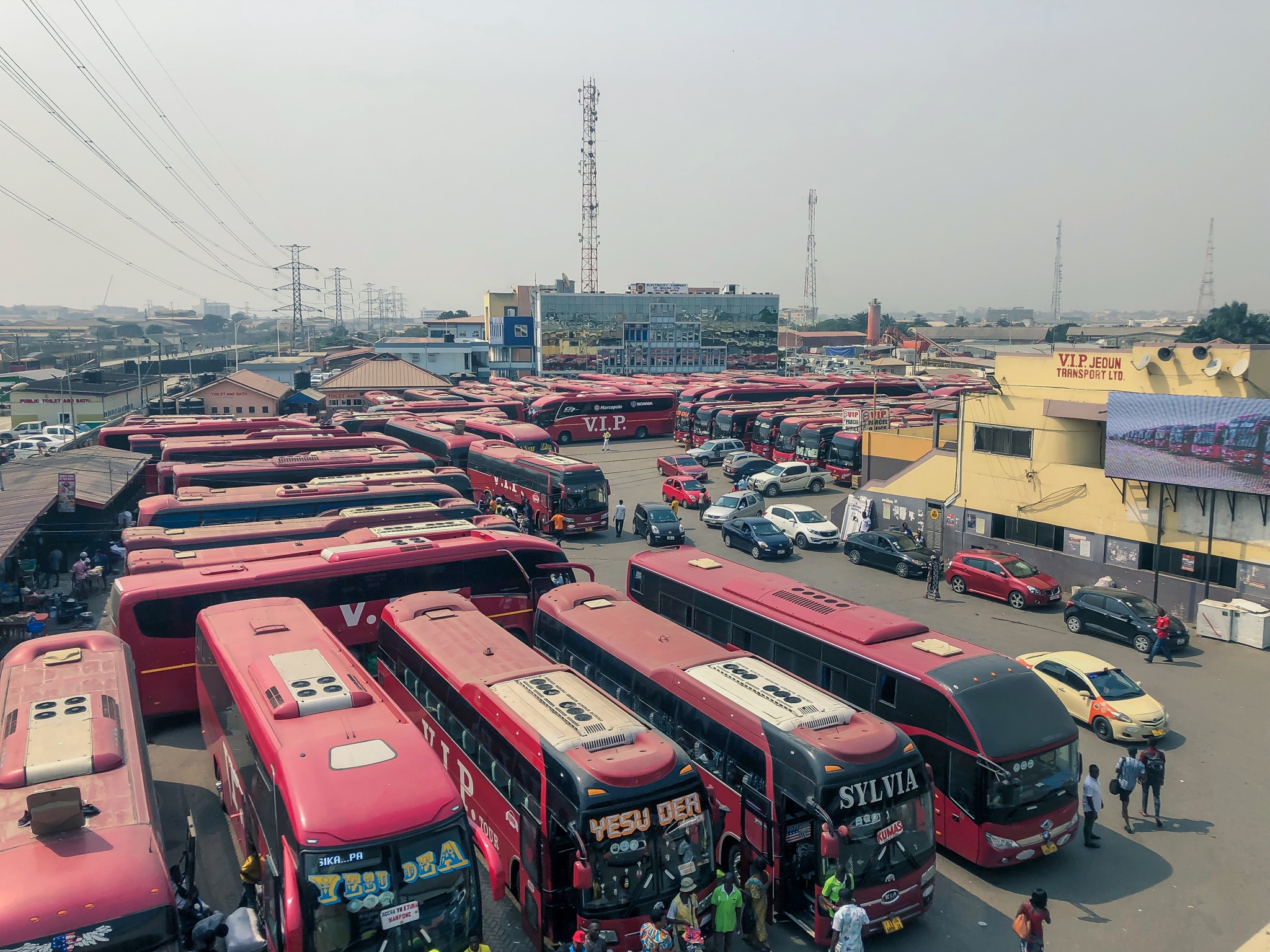
This is the most practical way to reach Ejisu on a budget. You’ll take a bus from Accra to Kumasi, then take a taxi or shared vehicle from Kumasi to Ejisu.
Step 1: Accra to Kumasi by Bus
| Detail | Information |
|---|---|
| Operators | Intercity STC Coaches, VIP Jeoun Transport |
| Fare | GHS 60–120 ($10–20 USD) |
| Travel Time | 4 hours 46 minutes to 5 hours |
| Departure Point | Circle Terminus, Accra |
| Frequency | Twice daily |
| Booking | Online at stcticketing.gov.gh |
Step 2: Kumasi to Ejisu by Taxi or Tro-tro
| Detail | Information |
|---|---|
| Distance | ~30 km |
| Travel Time | 30–45 minutes |
| Taxi Fare | GHS 50–100 (private taxi); can be shared |
| Tro-tro Fare | GHS 5–10 |
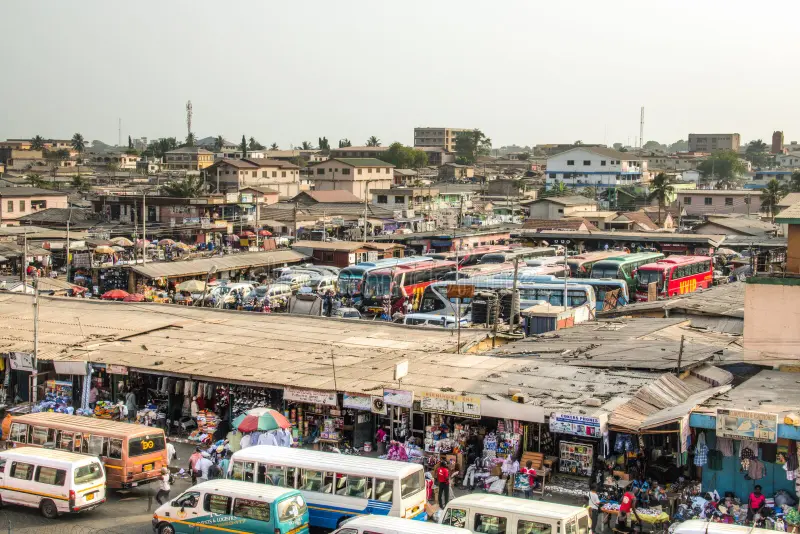
| Departure Point | Kumasi central lorry station |
Shared taxis and tro-tros depart regularly from Kumasi’s main stations. If traveling with luggage or in a group, a private taxi offers more comfort.
Total Estimated Cost (One Way): GHS 110–220 ($18–36 USD) depending on service class and taxi choice.
Option 2: Private Car (Most Flexible)
| Detail | Information |
|---|---|
| Distance | 220–231 km |
| Travel Time | 3–3.5 hours |
| Fuel Cost (one way) | GHS 350–500 |
| Route | Accra → Nsawam → Suhum → Nkawkaw → Konongo → Kumasi → Ejisu Junction |
Driving offers flexibility to stop at attractions along the way, including the Aburi Botanical Gardens, Linda Dor rest stop at Nkawkaw, or the Bobiri Butterfly Sanctuary near Ejisu . The road is generally paved but can have rough patches, especially during the rainy season.

Estimated Cost: GHS 350–500 for fuel plus GHS 40–60 for tolls.
Option 3: Flight + Taxi (Fastest but Most Expensive)
| Step | Detail | Cost | Time |
|---|---|---|---|
| 1. Flight to Kumasi | Accra (ACC) → Kumasi (KMS) | GHS 600–1,500 ($55–240) | 40–50 minutes |
| 2. Taxi to Ejisu | Kumasi Airport → Ejisu | GHS 50–100 | 30–45 minutes |
| Total | GHS 650–1,600 | 2–2.5 hours |
Flight Frequency: Multiple daily flights with Africa World Airlines and Passion Air (70–92 weekly flights) .

Flying is significantly faster but costs substantially more than bus travel. This option is best for travelers with limited time or those combining a visit with other destinations.
Option 4: Direct Tro-tro (Budget Option)
For the most budget-conscious traveler, direct tro-tros from Accra to Ejisu may be available, though this is less common and not as reliable as the Kumasi transfer route. Travelers are advised to confirm availability at Accra’s main lorry stations. Expect to pay GHS 70–100 and travel 5–6 hours .
Best Time to Visit Ejisu
| Season | Months | Conditions | Best For |
|---|---|---|---|
| Dry Season (Peak) | November – March | 30–33°C (86–91°F), low humidity, clear skies | Comfortable travel, hiking, outdoor exploration |
| Harmattan Period | December – February | Cooler mornings/evenings (20°C/68°F), dust haze | Unique atmosphere, cooler temperatures |
| Rainy Season | April – October | Heavy afternoon showers, lush vegetation | Photography, fewer visitors, vibrant landscapes |
Best Months: November through March offer the most comfortable conditions for exploring the town and surrounding attractions. The peak butterfly season at nearby Bobiri Sanctuary runs from June to August and October to December .
Festival Note: Local festivals, including celebrations honoring Yaa Asantewaa, often occur in the dry season. Expect livelier markets and fuller guesthouses during these periods .
What to See and Do in Ejisu
1. Yaa Asantewaa Memorial / Mausoleum
The hometown memorial for the Queen Mother of Ejisu who led the 1900 War of the Golden Stool against British rule . Visiting this site puts you right where local Ashanti pride and oral history meet, with statues, plaques, and a strong sense of place.
| Detail | Information |
|---|---|
| Location | Central Ejisu |
| Entry | Small donation expected |
| Best Time | Weekday mornings |
| Note | Ask permission before photographing; dress modestly |
2. Ejisu Royal Palace (Ejisuhene’s Palace)
The working seat of the Ejisu chiefdom where traditional stools, regalia, and court ceremonies are kept alive . A visit gives direct insight into Ashanti chieftaincy, local protocol, and seasonal festivals. You may witness drumming, storytelling, or public events if you time your visit right.
| Detail | Information |
|---|---|
| Location | Central Ejisu |
| Entry | Small donation appreciated |
| Best Time | Weekday mornings |
| Note | Ask permission before photographing; remove shoes if requested |
3. Ejisu Market
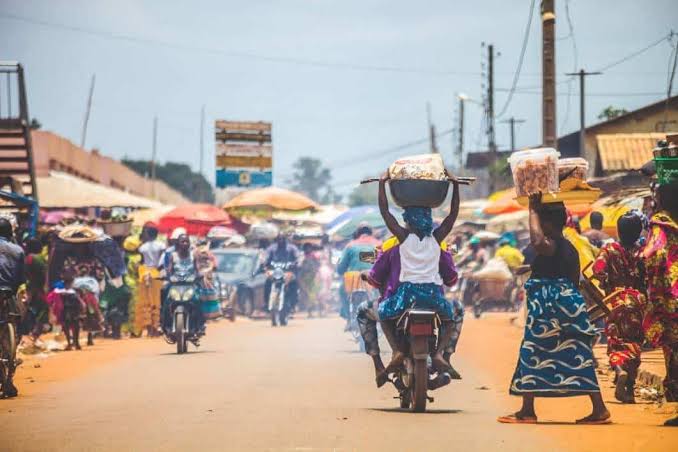
A busy, authentic West African market selling fresh produce, spices, fabrics, and street food . The actual market building is located close to the Ejisu Post Office, off the Kumasi-Accra Road, but traders flood the street to sell all kinds of products on Thursdays, the main market day . Great for people-watching, sampling local eats, and seeing everyday commerce in the town.
| Detail | Information |
|---|---|
| Location | Central Ejisu, near Post Office |
| Best Day | Thursday (main market day) |
| Best Time | Early morning (6–9 AM) for fresh produce |
| What to Buy | Fresh produce, spices, textiles, crafts |
| Street Food | Kelewele (spiced fried plantains), waakye, roasted yam |
4. Bobiri Butterfly Sanctuary (Nearby)
Hidden within the Ashanti Region, the Bobiri Butterfly Sanctuary is one of West Africa’s most enchanting natural destinations—a living paradise for eco-tourists, nature photographers, and anyone seeking tranquility away from city life . Located about 30 km from Kumasi along the Kumasi-Accra highway, Bobiri is the only butterfly sanctuary in West Africa, home to more than 400 butterfly species, rare birds, and towering tropical trees .
| Detail | Information |
|---|---|
| Location | ~30 km from Kumasi, off Kumasi-Accra highway |
| Distance from Ejisu | ~15–20 minutes by car |
| Entry Fee | Ghanaian adults: GHS 20; Foreign adults: GHS 40; Students: GHS 10 |
| Guided Tour Fee | GHS 30–50 (recommended) |
| Opening Hours | 8:00 AM – 5:00 PM daily |
| Contact | +233 (0)55 221 1770 |
Activities:
-
Butterfly trails and forest walks
-
Guided nature tours
-
Photography and birdwatching (early mornings are best)
-
Camping and picnics (eco-lodge available; advance booking required)
5. Local Cocoa Farms and Smallholder Processing Sites
The surrounding area of Ejisu has active cocoa farms where you can see the “bean to bar” process . A visit to a cocoa grove reveals the rhythm of farm life and offers insights into Ghana’s most famous export.

6. Nearby Attractions (Day Trips from Ejisu)
| Destination | Distance | Highlights |
|---|---|---|
| Manhyia Palace Museum | ~18 km (Kumasi) | Seat of the Asantehene; royal history |
| Kejetia Market | ~19 km (Kumasi) | One of West Africa’s largest markets |
| Kumasi City Mall | ~17 km | Modern shopping and dining |
| Kumasi Zoo | ~18 km | Ghana’s premier national zoo |
| Lake Bosomtwe | ~60 km | Ghana’s only natural lake |
| Bonwire Kente Museum | ~25 km | Traditional Kente weaving village |
Where to Stay in Ejisu
Ejisu offers a range of accommodation options, from budget guesthouses to comfortable hotels. The best base for backpackers is the area around the town center, where budget accommodations cluster and you’re a short walk from transport hubs and local hangouts .
Accommodation Options
| Accommodation | Type | Price (GHS) | Notes |
|---|---|---|---|
| Local guesthouses (town center) | Budget | 50–100 ($5–10) | Basic but clean; fan rooms, shared bathroom |
| Ejisu Hotel | Mid-range | 150–250 | Central location |
| Anita Hotel | Mid-range | 150–250 | 4.1 rating, 1.9K reviews; spacious rooms |
| NODA Hotel | Mid-range | 250–400 | 4.2 rating, 1.3K reviews; outdoor pool, restaurant |
| Asantewaa Premier Hotel | Mid-range | 250–350 | 4.3 rating, 526 reviews; complimentary breakfast |
| Camp Martin Hotel | Budget | 100–150 | 4.0 rating, 512 reviews; DSTV, AC, fan |
| Bobiri Forest Guesthouse | Eco-lodge | 250–400/night | On-site at butterfly sanctuary; advance booking required |
Neighborhood Guide :
-
Central Ejisu: Buzzes with local markets and street food stalls. Affordable and walkable, perfect for short stays. Low-key nightlife with a few local bars.
-
Ejisu-Kumasi Road: Lively and well-connected to Kumasi. Mix of budget to mid-range accommodations; more vibrant nightlife.
-
Ejisu-Atwima: Quieter residential zone, ideal for longer stays. Cozy guesthouses, slower pace.
Where to Eat
| Type | Price (GHS) | Recommendations |
|---|---|---|
| Street food | 5–15 | Kelewele, waakye, roasted yam, grilled fish |
| Local chop bars | 10–25 | Fufu with light soup, banku with tilapia |
| Aponkye Akyi Chop Bar | 10–25 | 4.0 rating, 245 reviews; varied proteins with fufu |
| Capital Choice Restaurant | 15–35 | 3.8 rating, 208 reviews; pleasant environment |
Must-try local dishes:
-
Fufu with light soup – Cassava and plantain dough with tomato and meat/fish soup
-
Banku with tilapia and pepper sauce – Fermented corn and cassava dough with grilled tilapia
-
Kelewele – Spiced fried ripe plantain cubes; a popular street snack
-
Waakye – Rice and beans cooked with millet leaves; a Ghanaian staple
Estimated Budget (Per Person)
| Category | Budget (GHS) | Mid-range (GHS) |
|---|---|---|
| Transport (round trip, bus + taxi) | 220–300 | 300–500 |
| Transport (round trip, flight + taxi) | 1,300–2,500 | 2,500–3,500 |
| Accommodation (per night) | 50–100 | 100–250 |
| Food (per day) | 20–40 | 40–80 |
| Activities (palace, market, Bobiri) | 50–100 | 100–200 |
| Local transport | 10–30 | 30–50 |
| Total (approx. 2-day trip, bus) | 350–600 | 600–1,100 |
A realistic daily budget for Ejisu is roughly $5–$20 USD (GHS 70–300) depending on choices .
Travel Tips for Ejisu
Practical Advice
-
Book bus tickets in advance, especially for weekend travel and holidays .
-
Carry sufficient cash – ATMs are limited in Ejisu. Stock up in Kumasi .
-
Pack light for the bus; luggage space is limited. Extra luggage may incur fees.
-
Bring a power bank – Electricity can be intermittent in smaller towns.
-
Carry water and snacks for the road; rest stops may not have your preferred options.
-
Wear comfortable shoes – Ejisu is walkable, and the hills around town are ideal for morning walks .
-
Visit the market on Thursday for the full experience .
Cultural Etiquette
-
Greet people before asking questions – A simple “Akwaaba” (welcome) or “Medaase” (thank you) goes a long way. Learn a few Twi phrases: “Maakye” (good morning), “Wo ho te sɛn?” (how are you?) .
-
Use your right hand for giving and receiving items.
-
Ask permission before photographing people, the palace, or sacred sites .
-
Dress modestly – Ejisu is a conservative town; shoulders and knees should be covered, especially when visiting the palace or religious sites.
Health and Safety
-
Yellow Fever Certificate – Mandatory for travel in Ghana; keep it accessible.
-
Malaria prevention – Use insect repellent and sleep under a mosquito net .
-
Drink only bottled or filtered water – Tap water is not safe for visitors.
-
Travel during daylight hours on unfamiliar roads. Avoid night travel.
-
Petty theft can occur in crowded markets – Keep valuables secure and use a money belt .
Getting Around Ejisu
-
Walking: The most reliable way to get around, especially in the town center where distances are short .
-
Taxis: Short rides within town cost GHS 5–10. Agree on price before departure.
-
Tro-tros: Shared minibuses connect Ejisu to nearby villages and Kumasi .
Frequently Asked Questions (FAQs)
1. Is there a direct bus from Accra to Ejisu?
No. There is no direct bus from Accra to Ejisu . You must take a bus from Accra to Kumasi (4.5–5 hours), then a taxi or tro-tro to Ejisu (30–45 minutes).
2. How much is the bus from Accra to Kumasi?
STC and VIP bus fares from Accra to Kumasi range from GHS 60–120 ($10–20 USD) .
3. How long does it take to drive from Accra to Ejisu?
Driving takes approximately 3–3.5 hours for the 220–230 km journey .
4. Can I fly from Accra to Ejisu?
There is no airport in Ejisu. Fly from Accra to Kumasi (40–50 minutes, GHS 600–1,500), then take a taxi to Ejisu .
5. What is there to do in Ejisu?
Key attractions include the Yaa Asantewaa Memorial, Ejisu Royal Palace, Ejisu Market (especially Thursdays), and nearby Bobiri Butterfly Sanctuary .
6. Where can I stay in Ejisu?
Accommodation options include local guesthouses in the town center (GHS 50–100) and hotels like Anita Hotel, NODA Hotel, and Asantewaa Premier Hotel (GHS 150–400) .
7. What is the best time to visit Ejisu?
The dry season (November to March) offers the best weather for travel, with clear skies and comfortable temperatures .
8. Is Ejisu safe for tourists?
Yes. Ejisu is generally safe, though travelers should take normal precautions: keep valuables secure, avoid walking alone at night, and be aware of your surroundings in crowded markets .
9. What language is spoken in Ejisu?
The primary local language is Twi. English is understood to a limited extent, especially in business and institutional settings.
10. How far is Ejisu from Kumasi?
Ejisu is approximately 30 kilometers east of Kumasi, a 30–45 minute drive .
11. What is the Bobiri Butterfly Sanctuary?
The only butterfly sanctuary in West Africa, located about 30 km from Kumasi. It’s home to over 400 butterfly species and offers forest trails, guided tours, and camping .
12. What day is Ejisu market day?
Thursday is the main market day in Ejisu, when traders flood the streets with goods .
Conclusion: The Road to Ejisu
Ejisu offers something increasingly rare in Ghana’s tourism landscape: authenticity. It is not a polished resort town or a crowded tourist hub. It is a working Ghanaian town where daily life unfolds in the market, at the palace, and in the conversations between neighbors.
Traveling from Accra to Ejisu is straightforward—the STC or VIP bus to Kumasi offers an affordable, reliable connection, followed by a short taxi ride east. Once you arrive, you’ll find a town that rewards exploration: the historic Yaa Asantewaa Memorial, the vibrant central market (especially on Thursdays), the Royal Palace, and the serene Bobiri Butterfly Sanctuary just minutes away.
Whether you’re a backpacker seeking off-the-beaten-path experiences, a history enthusiast tracing the story of the Ashanti resistance, or simply someone wanting to escape the capital’s hustle, Ejisu delivers. Pack light, carry cash, respect local customs, and prepare to discover a corner of Ghana that remains deeply connected to its roots.
Safe travels.
Frequently Asked Questions (FAQs)
1. Is there a direct bus from Accra to Ejisu?
No. You must take a bus to Kumasi, then a taxi or tro-tro to Ejisu .
2. How much is the bus from Accra to Kumasi?
GHS 60–120 depending on service class .
3. How long does it take to drive from Accra to Ejisu?
3–3.5 hours .
4. Can I fly from Accra to Ejisu?
Fly to Kumasi (40–50 min), then taxi to Ejisu .
5. What is there to do in Ejisu?
Yaa Asantewaa Memorial, Royal Palace, Ejisu Market, Bobiri Butterfly Sanctuary .
6. Where can I stay in Ejisu?
Guesthouses (GHS 50–100) and hotels like Anita Hotel, NODA Hotel .
7. What is the best time to visit?
Dry season (November–March) .
8. Is Ejisu safe?
Yes, with normal precautions .
9. What language is spoken?
Twi; English is understood .
10. How far is Ejisu from Kumasi?
30 km, 30–45 minutes .
11. What is Bobiri Butterfly Sanctuary?
West Africa’s only butterfly sanctuary; 400+ species .
12. What day is Ejisu market?
Thursday (main market day)
Source: Accra Street Journal
Last Updated on April 1, 2026 by Samuel Kwame Boadu
Disclaimer: Some content on Accra Street Journal may be aggregated, summarized, or edited from third-party sources for informational purposes. Images and media are used under fair use or royalty-free licenses. Accra Street Journal is a subsidiary of SamBoad Publishing Hub under SamBoad Business Group Ltd, registered in Ghana since 2014.
For concerns or inquiries, please visit our Privacy Policy or Contact Page.

Samuel Kwame Boadu is a Ghanaian media entrepreneur and storyteller with a passion for amplifying urban voices and uncovering everyday truths. He is the Editor-in-Chief and Founder of Accra Street Journal, a dynamic digital platform dedicated to capturing the pulse of Ghana’s capital—its people, culture, challenges, business, sports and innovations.
Use the following reference when citing or referencing this article.
Your feedback helps us improve our journalism.
Report an Error
Help us maintain accuracy. Let our editorial team know if you spot an issue in this article.
Report a problem with this article