








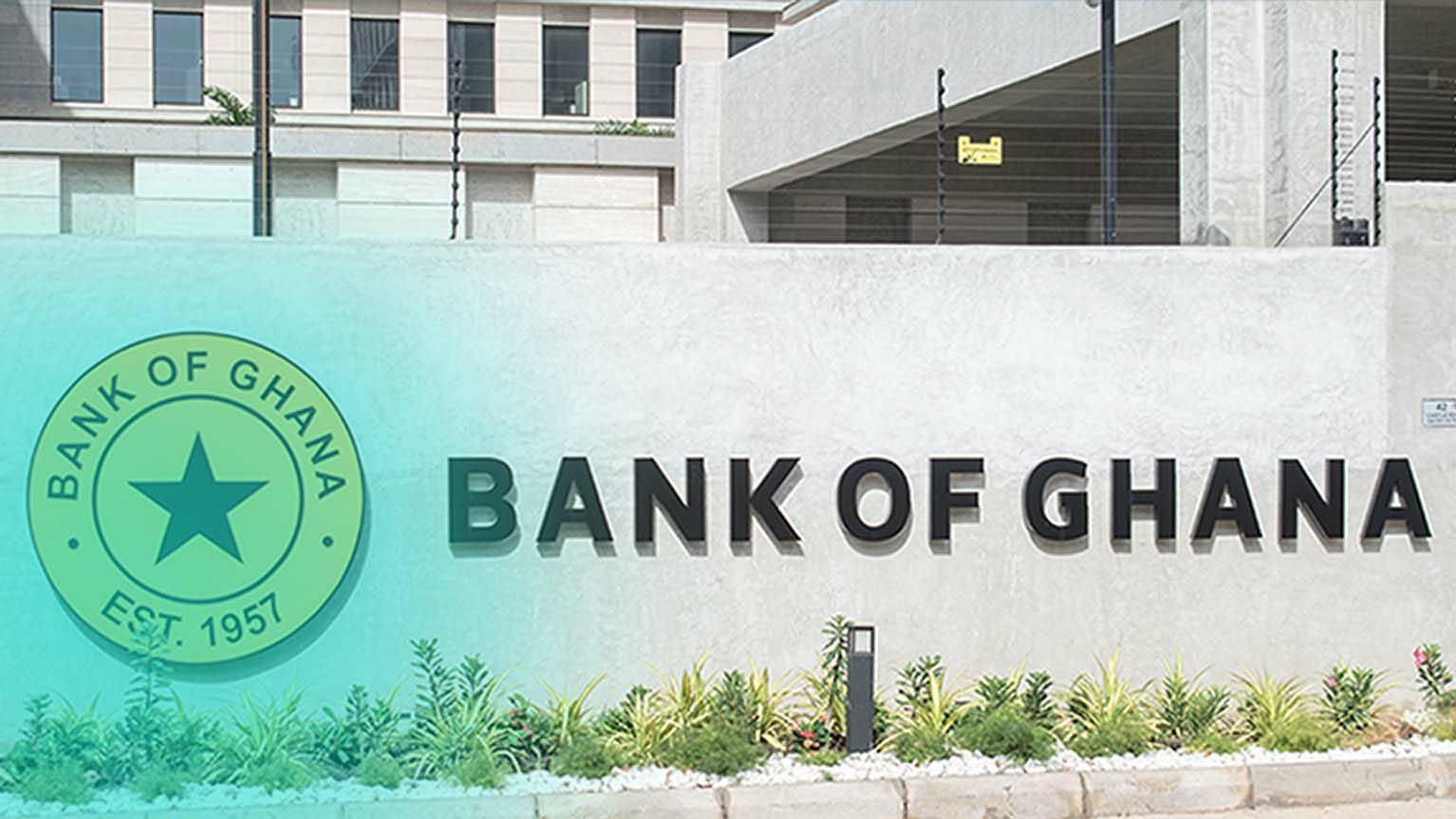
The Bank of Ghana has given an assurance that it is in a strong position to meet seasonal foreign exchange demand without any challenge, Pointing to international reserves of about $14.42 billion as of May 2026 as a comfortable buffer to meet business requests without stress or pressure, the assurance comes at a time when the local currency has seen sustained depreciation. Central bank data shows the cedi dropped from more than $81.6 billion in April 2025 to $2 billion in April 2026. Bank of Ghana Governor Dr. Johnson Asiama, speaking at the 130th Monetary Policy press briefing, described the current pressures on the cedi as temporary, citing seasonal demand from dividend payments and increased energy sector needs. He urged calm, stressing that the bank is well-positioned to avoid excessive volatility, noting that while appreciation or depreciation is normal, it is the extreme swings that the bank monitors closely.
Key Developments: Reserves Adequacy, Seasonal Pressures, and the Oil Import Shock
The Bank of Ghana’s confidence rests on the $14.42 billion reserves figure—equivalent to approximately 6 months of import cover, well above the IMF-recommended benchmark of 3 months. This buffer provides the central bank with significant firepower to intervene in the forex market should volatility become excessive. However, the bank has chosen to intervene cautiously, preserving reserves while allowing the cedi to adjust to market conditions.

The depreciation of more than 8% year-to-date is significant but not catastrophic. The cedi closed at approximately GH¢11.63 to the dollar in the interbank market, compared to approximately GH¢10.70 at the beginning of the year. The depreciation has accelerated in recent weeks, driven by specific seasonal factors.
📢 GET A DETAILED ARTICLES + JOBS
Join ASJ's WhatsApp Channel and never miss a post or opportunity.

The energy sector is the primary driver. The Middle East conflict has driven Brent crude prices above $105 per barrel, raising the cedi cost of oil imports. Ghana’s oil import bill rose from about $1.6 billion in April 2025 to $2 billion in April 2026—a 25% jump. Every dollar spent on oil imports has to be sourced from the forex market.
Dividend payments are the second seasonal factor. Many multinational companies operating in Ghana repatriate dividends in the first and second quarters, increasing demand for dollars. Gold mining companies, in particular, pay dividends to their foreign parent companies. The timing of these payments—typically March to June—coincides with the current period of cedi weakness.

The Bank of Ghana’s distinction between “normal” depreciation and “excessive volatility” is important. In a floating exchange rate regime, the currency is expected to move in response to supply and demand. The current depreciation reflects real economic factors: higher oil prices, dividend outflows, and election-year uncertainty. The central bank’s role is not to prevent any depreciation but to prevent disorderly movements that dislocate markets.
Dr. Asiama’s characterization of the cedi as “resilient” is supported by the fact that the depreciation, while sustained, has been orderly. There has been no sharp spike in the exchange rate, no collapse in confidence, and no panic buying of dollars. The interbank and retail markets are functioning, and the spread between them is stable.
The central bank’s communication strategy is calibrated. By highlighting the reserves buffer and the seasonal nature of demand, the bank is attempting to manage expectations and prevent panic. The message is: the fundamentals are sound, the pressure is temporary, and the bank has the tools to respond if needed.
Analysis & Implications: Reserves Adequacy, Intervention Strategy, and Credibility
The $14.42 billion reserves figure is a source of strength, but its utility depends on the central bank’s willingness to use it. Reserves that are never used are like an insurance policy that is never claimed—valuable but untested. The Bank of Ghana has chosen to use reserves sparingly, intervening only to smooth excessive volatility rather than to defend a specific exchange rate level.
This strategy is consistent with a floating exchange rate regime. The central bank’s goal is not to maintain a fixed parity but to prevent disorderly movements that disrupt trade and investment. By allowing the cedi to depreciate gradually, the bank is preserving reserves for a future shock—a further spike in oil prices, a drought that reduces cocoa production, or a political crisis.
The seasonal demand argument is plausible but not complete. Oil imports and dividend payments are indeed seasonal, but they are also predictable. The central bank could have anticipated these pressures and built up reserves in advance, or communicated earlier to manage expectations. The fact that the depreciation exceeded the bank’s own forecasts suggests that other factors—perhaps election-year uncertainty or global dollar strength—are also at play.
The comparison with previous episodes is instructive. During the 2022 crisis, the cedi depreciated by over 50% in a matter of months, and the central bank’s reserves were depleted to critical levels. The current situation is different: the reserves buffer is much larger, the macroeconomic fundamentals are stronger (inflation down, GDP growth up, fiscal deficit under control), and the depreciation is more gradual. The bank’s confidence is not misplaced.
However, credibility is fragile. If the cedi continues to depreciate despite the bank’s assurances, businesses and households may lose confidence and begin to hoard dollars, exacerbating the pressure. The bank’s communication must be backed by action: if volatility becomes excessive, the bank must intervene visibly to demonstrate its commitment.
The oil import shock is the most significant risk. If the Hormuz crisis continues and oil prices stay above $100 per barrel for the rest of the year, the annual oil import bill could exceed $6 billion—up from $4.5 billion in 2025. The extra $1.5 billion in demand for dollars would keep sustained pressure on the cedi. The central bank’s reserves could handle this for a while, but not forever..

The Accra Street Journal notes that the Bank of Ghana’s assurance is a bet on the durability of the current economic recovery. The bank is betting that the seasonal pressures will ease, that oil prices will moderate, and that election-year uncertainty will not escalate into a crisis. If those bets pay off, the cedi will stabilize and the reserves buffer will remain intact. If they do not, the bank may be forced to intervene more aggressively, depleting reserves and potentially triggering a loss of confidence.
What This Means for Businesses, Importers, and Households
For businesses, the central bank’s assurance provides some comfort, but not certainty. The bank has the reserves to meet demand, but it may not choose to use them aggressively. Businesses should plan for continued cedi weakness in the near term, but they should not panic. The depreciation is orderly, and there is no sign of a collapse.
For importers, the higher cost of dollars will increase the cedi cost of imported goods. Importers should consider hedging their exposure through forward contracts or by maintaining foreign currency accounts. The forward market is shallow, but it exists. Importers should also explore local sourcing options to reduce their dependence on imports.
For households, the depreciation will feed into higher prices for imported goods, including fuel, food, and manufactured products. The government’s diesel subsidy (GHS1.07 per litre) cushions some of the impact, but not all. Households should budget for higher costs and consider reducing discretionary spending.
For the government, the depreciation increases the cedi cost of servicing foreign currency debt. Ghana’s external debt is approximately $30 billion; a 10% depreciation increases the cedi cost of debt service by approximately GH¢30 billion. The government’s fiscal position can absorb some of this increase, but not all. The depreciation is a reminder of the importance of maintaining a sustainable debt profile.
For the central bank, the challenge is to maintain credibility while preserving reserves. The bank’s communication must be clear, consistent, and credible. If the cedi continues to weaken, the bank must be prepared to intervene—not to defend a specific level, but to prevent disorderly movement. The bank should also consider raising interest rates if depreciation pressures persist and inflation expectations become unanchored.
Wider Context: Seasonal Forex Pressures in African Economies
Seasonal forex pressures are common in African economies that are heavily dependent on commodity exports and imports. The timing of harvests (cocoa, coffee, cotton), dividend payments, and import cycles creates predictable patterns of demand and supply. Central banks that understand these patterns can build reserves during surplus periods to absorb demand during deficit periods.
Ghana’s seasonal pattern is well-known. The cocoa harvest runs from October to March; export receipts peak in the first quarter. Dividend payments from mining companies peak in the second quarter. Oil imports are year-round but can spike in response to price changes. The current period of cedi weakness coincides with the post-cocoa, pre-dividend transition—a period when forex supply is lower and demand is higher.
The central bank’s reserves of $14.42 billion provide a buffer, but they are not infinite. The bank must balance the need to meet legitimate demand with the need to preserve reserves for future shocks. The current strategy—allowing gradual depreciation while intervening to smooth volatility—is appropriate.
The comparison with other African central banks is instructive. The Central Bank of Nigeria has been much more aggressive in defending the naira, depleting reserves and maintaining multiple exchange rates. The result has been a distorted market, a thriving parallel market, and persistent pressure. The Bank of Ghana’s more flexible approach has resulted in a more transparent market and less distortion.
The South African Reserve Bank allows the rand to float freely, intervening only occasionally. The rand is one of the most volatile emerging market currencies, but the South African economy has adapted. Ghana’s cedi is less volatile than the rand, but the principle is the same: a floating exchange rate adjusts to shocks, preserving reserves for more important uses.
The Accra Street Journal’s conclusion: the Bank of Ghana’s assurance is credible, but not a guarantee. The reserves buffer is strong, the macroeconomic fundamentals are sound, and the depreciation is orderly. However, the global environment is volatile—oil prices, the Hormuz crisis, the US election—and any of these factors could trigger a more severe depreciation. The central bank is prepared, but businesses and households should also be prepared. The cedi will find its level. The bank will prevent a collapse. In between, there will be volatility. That is the nature of a floating exchange rate.
Outlook / What Happens Next
In the near term, the cedi will remain under pressure due to seasonal demand and high oil prices. The central bank will intervene to smooth volatility but will not prevent gradual depreciation. The exchange rate is expected to trade within a range of GH¢11.50 to GH¢12.00 per dollar over the next two months.
If oil prices moderate and dividend payments ease, the pressure on the cedi will subside, and the currency may stabilize or even appreciate. If oil prices remain high or the Hormuz crisis escalates, the pressure will continue, and the cedi may weaken further, potentially to GH¢12.50 or higher.
The central bank’s next Monetary Policy Committee meeting will be critical. If the committee raises interest rates, it would support the cedi by attracting foreign capital and encouraging domestic saving. If it holds rates steady, the cedi will continue to be driven by supply and demand dynamics.
For the Accra Street Journal’s readers, the message is clear: the cedi is under pressure, but the central bank has the tools to manage it. There is no need to panic, but there is a need to plan. Businesses should hedge; households should budget; policymakers should maintain discipline. The cedi’s resilience will be tested in the coming months, but the foundation is strong.
Source: Accra Street Journal
Last Updated on May 26, 2026 by Samuel Kwame Boadu
Disclaimer: Some content on Accra Street Journal may be aggregated, summarized, or edited from third-party sources for informational purposes. Images and media are used under fair use or royalty-free licenses. Accra Street Journal is a subsidiary of SamBoad Publishing Hub under SamBoad Business Group Ltd, registered in Ghana since 2014.
For concerns or inquiries, please visit our Privacy Policy or Contact Page.

Samuel Kwame Boadu is a Ghanaian media entrepreneur and storyteller with a passion for amplifying urban voices and uncovering everyday truths. He is the Editor-in-Chief and Founder of Accra Street Journal, a dynamic digital platform dedicated to capturing the pulse of Ghana’s capital—its people, culture, challenges, business, sports and innovations.