










From smart technology to sustainable design — the strategic decisions that protect long-term property value in a changing market
Executive Introduction
The concept of “future-proofing” a home investment in Ghana has evolved significantly. It is no longer simply about choosing a good location and solid construction. Today, it involves a strategic approach that considers structural integrity, operational efficiency, design flexibility, and resilience to the country’s unique challenges, such as unreliable utilities.

In Ghana’s dynamic real estate market, where the housing deficit exceeds 1.8 million units , the properties that command premium value are those that offer more than just four walls. Buyers and renters are increasingly sophisticated, looking beyond aesthetics to evaluate a property’s performance. A home that is energy-efficient, secure, and easy to manage will hold its value better and attract stronger demand than one that is not.
This ASJ report consolidates expert insights to provide a practical framework for future-proofing your property investment. It covers the key themes of sustainability, smart technology, location resilience, and strategic financial planning to help you make decisions that will secure long-term returns.
📢 GET A DETAILED ARTICLES + JOBS
Join ASJ's WhatsApp Channel and never miss a post or opportunity.
Part 1: The Structural Foundation — Building for Resilience
A future-proofed home must be built to last. This begins with the invisible work beneath the surface. Ensuring structural integrity through proper foundation design and soil testing is essential to prevent costly issues down the line. A building that can withstand Ghana’s climate and occasional extreme weather events is a fundamental requirement.
The government is also moving toward supporting this through policy. Minister for Works, Housing and Water Resources, Kenneth Gilbert Adjei, has announced the promotion of local building materials and green construction methods to cut costs, support sustainability, and lower carbon emissions . Using locally sourced, durable materials can enhance a building’s longevity and reduce its environmental impact.
Part 2: The Rise of the “Green and Smart Premium”
A significant shift is occurring in Ghana’s prime real estate market. Luxury is no longer defined by imported finishes and size alone. The new premium is placed on performance, sustainability, and smart living. Buyers are increasingly asking whether a property is efficient, secure, resilient, comfortable, and easier to manage .
The Green Premium
The Greens Ghana has secured EDGE (Excellence in Design for Greater Efficiencies) certification from the International Finance Corporation (IFC), becoming one of the first fully EDGE-certified residential communities in the country . This certification validates the project’s commitment to significant resource efficiency, including 20% energy savings, 30-40% water savings, and a reduced carbon footprint through the use of locally-sourced, low-impact materials . CEO Kiran Daswani stated, “We’re proud to offer future-ready homes that prove sustainability and affordability can coexist—and that responsible building is good business” .
Properties that can demonstrate clear benefits such as lower utility bills, better comfort, improved security, and fewer service interruptions command a premium in the market . As one report notes, “when green design, smart controls, private balconies, energy efficiency, water-conscious systems, backup reliability, and premium positioning come together, the property begins to tell a stronger investment story” .
The Smart Premium
Smart home technology is no longer a futuristic concept; it’s becoming a practical luxury. Key features that add value include smart locks, app-based access, lighting controls, air conditioning controls, leak sensors, motion sensors, and remote monitoring . For residents, this means greater control and convenience. For landlords, it translates to easier management, and for short-term rental investors, it can mean better guest experience and fewer operational issues.
A key driver of this demand comes from the diaspora. Developers like Nilex Properties are building projects specifically targeting this group, offering “lock-and-leave” solutions with features like biometric access, remote appliance control, and in-house Airbnb management . The Legal Director of Nilex Properties explained that the era of building big mansions that gather dust when owners travel abroad is giving way to smart, income-generating apartments .
Part 3: Location Resilience — Understanding Future Demand
Future-proofing also involves ensuring your location maintains its value. This requires understanding the long-term infrastructure and economic development plans for your area.
The Shift to Mid-Range and Vertical Living
Industry experts point to the mid-range housing market as the most sustainable opportunity for long-term growth . This segment, serving returning diaspora, young professionals, and families, offers strong rental demand and capital appreciation as areas develop with new infrastructure and amenities .
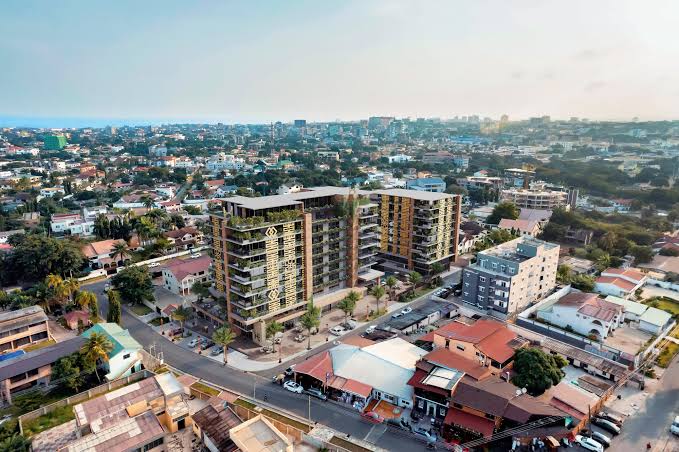
Accra’s most discerning buyers are also choosing vertical luxury living over the traditional villa . The compound wall, once a symbol of autonomy, is increasingly seen as a maintenance liability . Premium managed apartments in Cantonments and the Airport Residential Area now deliver 7% to 10% gross yield on long-term leases, with a deeper tenant pool and lower vacancy risk . The lock-and-leave lifestyle offered by well-managed residential buildings has become the defining preference of Accra’s most mobile professional class .
Growth Corridors
Areas benefiting from significant infrastructure investments, such as the Adenta-Oyarifa-Abokobi corridor and Pokuase-Ofankor, are projected to see annual price growth of 12-18% [citation:???]. Understanding these growth corridors is critical to ensuring long-term capital appreciation [citation:???].
Part 4: The Financial Strategy — Avoiding Common Pitfalls
Future-proofing your investment also requires a disciplined, analytical approach to finance. Kennedy Agyapong, one of Ghana’s most successful businessmen, recently admitted that buying properties and renting them out was a “mistake” . His experience underscores the need for strategic planning and due diligence.
Key Financial Strategies
-
Professional Valuation: Before purchasing, obtain a professional property valuation to understand market value, rental potential, and realistic yield expectations. This prevents overpaying .
-
Legal Due Diligence: Demolitions due to unauthorised developments and land disputes are common. Always verify land title at the Lands Commission and ensure compliance with zoning laws to avoid litigation or complete loss of investment .
-
Data-Driven Decisions: Understand demand and supply in your target area. Research preferred unit types, occupancy rates, and rental pricing to avoid building in an oversaturated market
-
Purpose-Fit Design: A luxury mansion in a low-income area will underperform. Design the property for your target market’s needs and income level. Prioritise durability, low-maintenance materials, and energy efficiency. Profit doesn’t come from building the most expensive house, but from building the right one .
-
Diversification: Avoid over-concentrating your investment in one property or strategy. Diversify across property types, tenant types, and locations to cushion against underperformance in any single segment .
Quick Reference: How to Future-Proof Your Investment
| Strategy | Key Action |
|---|---|
| Structural Integrity | Invest in proper foundation design, soil testing, and use of durable, low-maintenance materials. |
| Green & Smart Tech | Integrate solar power, smart locks, energy management systems, and water conservation features. Seek EDGE certification for proven resource efficiency. |
| Location Resilience | Target mid-range growth areas and developments with professional management. Understand the “lock-and-leave” appeal for diaspora and mobile professionals. |
| Financial Strategy | Get a professional valuation, conduct legal due diligence, design for your target market, and diversify your investments. |
Source: Accra Street Journal
Last Updated on June 20, 2026 by Samuel Kwame Boadu
Disclaimer: Some content on Accra Street Journal may be aggregated, summarized, or edited from third-party sources for informational purposes. Images and media are used under fair use or royalty-free licenses. Accra Street Journal is a subsidiary of SamBoad Publishing Hub under SamBoad Business Group Ltd, registered in Ghana since 2014.
For concerns or inquiries, please visit our Privacy Policy or Contact Page.

Samuel Kwame Boadu is a Ghanaian media entrepreneur and storyteller with a passion for amplifying urban voices and uncovering everyday truths. He is the Editor-in-Chief and Founder of Accra Street Journal, a dynamic digital platform dedicated to capturing the pulse of Ghana’s capital—its people, culture, challenges, business, sports and innovations.