










EXECUTIVE INTRODUCTION
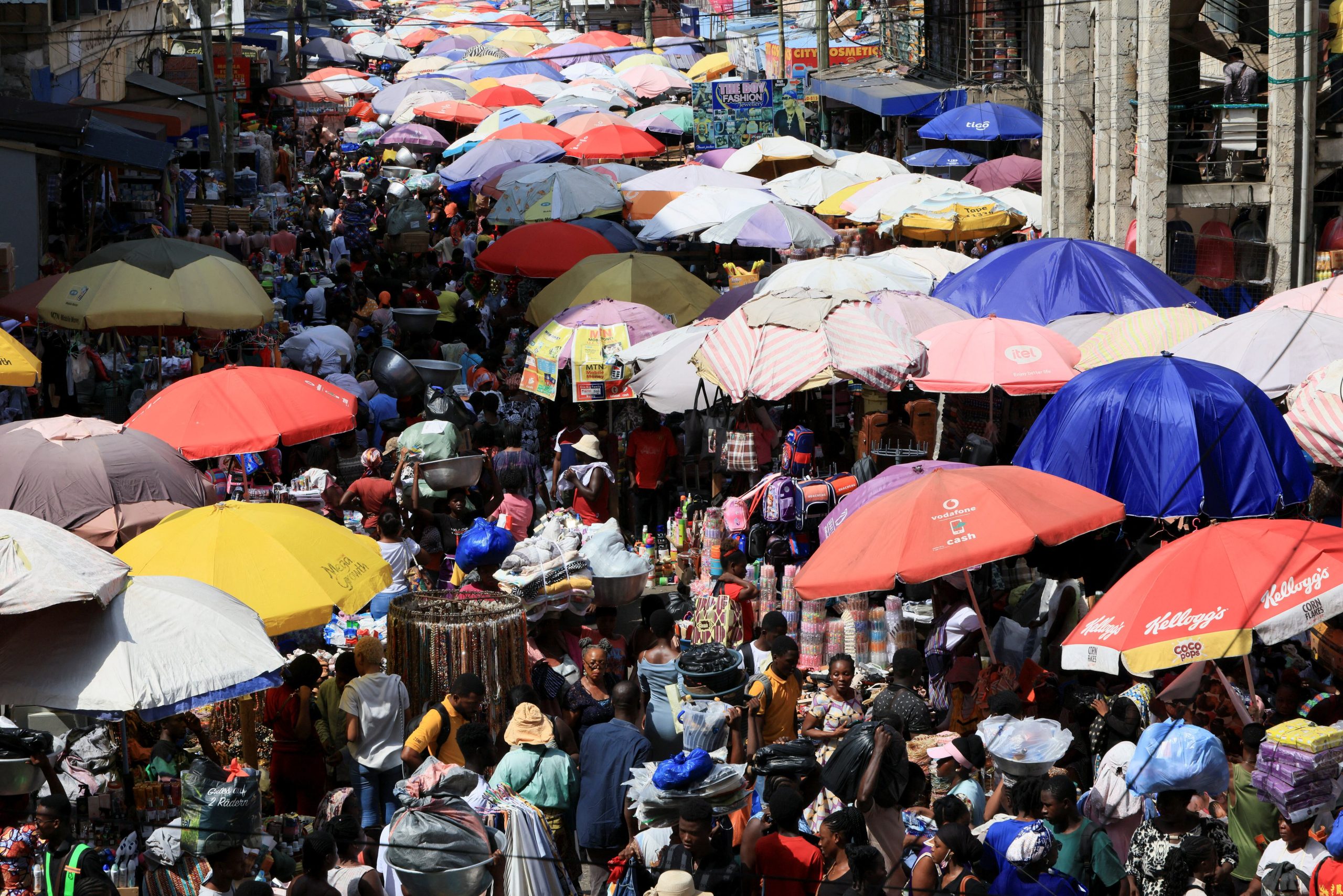
On any given weekend in Accra, a vast, dispersed, and largely invisible economic machine hums into life. It is not located in the office towers of the Airport City or the trading floors of the financial district. It is assembled, temporarily and with astonishing speed, in the event grounds, the church courtyards, the wedding reception canopies, the funeral tents, the outdoor music festival fields, and the private homes of the capital. An elaborate, multi-generational outdooring ceremony for a new-born. A glamorous traditional marriage ceremony for three hundred guests. A corporate end-of-year party. A church harvest festival and bazaar. A pop-up art and fashion market. Each of these events is, in its own right, a temporary, high-intensity marketplace, and for a vast and often overlooked segment of Accra’s micro and small business sector, these events are not a supplementary or occasional source of income. They are the economic bedrock.

This Accra Street Journal analysis examines the deep, symbiotic, and commercially decisive relationship between Accra’s vibrant events culture and the survival and growth of its small vendor economy. We move beyond the surface glamour of the event itself to trace the specific, often frantic, and strategically complex supply chain that delivers the catered meal, the custom-baked cake, the event décor, the branded souvenirs, the makeup artistry, the photography, the live band, and the security services to the temporary venue. The event is not just a social gathering; it is a high-stakes, time-bound, and logistically demanding commercial operation that injects concentrated, high-margin revenue into a distributed network of micro-enterprises. The caterer, the decorator, the makeup artist, the photographer—these are the quiet beneficiaries of the city’s insatiable appetite for the well-executed, memorable event. The weekend windfall is not a metaphor. It is the predictable, cyclical, and fiercely fought-over cash flow that keeps the lights on, the equipment upgraded, and the apprentice paid in businesses that often have no fixed shopfront and no daily walk-in clientele.
THE CATERER AND THE CAKE: THE FOOD VENDORS WHO OWN THE WEEKEND
No sector of the small vendor economy is more intimately and dependently tied to the Accra events calendar than the food and catering industry. The scale and diversity of this segment is remarkable, ranging from the established, high-end catering firm with a commercial kitchen, a fleet of chafing dishes, and a team of uniformed servers, to the solo, home-based baker whose entire business is built on a reputation for sculptural, Instagram-worthy custom cakes. For these businesses, the weekend event is not just the primary sales channel; it is, in many cases, the only sales channel. Their business model is not built on daily, walk-in trade. It is built on a calendar of pre-booked, deposit-secured, and meticulously planned events that cluster intensely around the weekend, the end of the month, and the major festive seasons.
📢 GET A DETAILED ARTICLES + JOBS
Join ASJ's WhatsApp Channel and never miss a post or opportunity.
The economics of this model are both attractive and punishing. The attractive dimension is the ability to plan and purchase with precision. Unlike the restaurant that must guess how many customers will walk in on a Tuesday and risk the waste of unsold food, the event caterer buys exactly for a confirmed, pre-paid headcount. The food cost is precisely matched to the guaranteed revenue, and the margin, while still subject to the volatile price of fuel and market ingredients, is theoretically secure. The punishing dimension is the relentless, cyclical pressure. The caterer’s entire month’s revenue may be compressed into four or five Saturday events. A single cancellation, a single failed dish that generates a reputational crisis, a single client who delays payment, is not a minor setback; it is a catastrophic blow to the entire month’s cash flow. The catering business is a high-wire act, a constant negotiation between the certainty of the booked event and the fragility of the reputation upon which the next booking depends. And the custom cake baker, operating at the extreme end of this model, is perhaps the purest example of the event-dependent vendor: their product is a centrepiece, designed for a single, specific moment of display and consumption, with no resale value and no second chance.
THE DECORATOR AND THE RENTAL: BUILDING THE TEMPORARY VENUE
The transformation of a bare, dusty event ground, a church hall, or a family compound into a magical, themed, and Instagram-ready wedding or party venue is the work of another critical layer of the event vendor ecosystem: the decorator and the associated rental industry. This is a capital-intensive, logistics-heavy, and fiercely creative sector. The decorator’s warehouse is a vast inventory of assets: the chiavari chairs, the round and rectangular banquet tables, the high-quality linens in an exhaustive palette of colours, the backdrops, the centrepiece vases, the LED dance floors, the elaborate flower walls, the artificial floral arrangements, the gold charger plates, the crystal glassware, and the ambient lighting rigs.
The business model is a combination of the rental of the physical assets and the professional service fee for the creative design concept and the on-site execution. The economics are driven by asset utilisation. The chair, the table, the linen, must be rented out as many weekends a year as possible to recover their initial purchase cost and to generate a return before they are damaged, stained, or fall out of fashion. The decorator’s calendar is a merciless master. The setup is a frantic, time-pressured operation on the Friday evening or the early Saturday morning, transforming the empty space before the guests arrive. The breakdown, after the last guest has departed, is a sweaty, exhausted, and often melancholy task, packing away the temporary fantasy for the next weekend’s event. The decorator does not just sell chairs and cloth; they sell a temporary, immersive aesthetic experience, a physical manifestation of the client’s aspirational identity, and their revenue is a direct, cyclical function of the number and scale of the events they can book and flawlessly execute.
THE BEAUTY AND THE BRAND: THE PERSONAL SERVICE VENDORS
A third, and increasingly visible, layer of the event vendor economy comprises the personal service professionals who prepare the human beings for their starring roles in the event. The makeup artist (MUA), the hairstylist, the barber, the wardrobe stylist, and the personal shopper—these are the artisans of the event-ready self. Their relationship with the client is intensely personal, built on trust, aesthetic expertise, and the ability to deliver a look that matches the client’s aspirational self-image and the specific dress code and colour theme of the event. For the bridal party, this is a day-long, multi-person operation, often beginning before dawn, a controlled, air-conditioned space of transformation where the bride, her maids, and the mother of the bride are prepared for the camera and the crowd.
The economic model of these personal service vendors is built on the premium that clients place on the photography and video documentation of the event. The client knows that their appearance at a major wedding or an outdooring will be captured in hundreds of photographs and videos, shared widely on social media, and scrutinised by friends, rivals, and strangers. The investment in the premium makeup artist, the skilled hairstylist, and the carefully chosen outfit is not just a personal indulgence; it is a strategic investment in the permanent, public digital record of their social presence. The makeup artist and the stylist are selling not just their technical skill, but a guarantee of photographic perfection, a promise that the client will look, in the images that will live forever on Instagram, as the best, most curated, and most flawless version of themselves. This is a powerful, high-margin value proposition, and it is entirely pegged to the social event calendar.
THE CAPTURE AND THE SOUND: THE MEDIA AND ENTERTAINMENT VENDORS
No major Accra social event is complete, or commercially viable for the vendors, without the professional capture and the curated sound. The photographer, the videographer, and the live band or DJ are not optional extras; they are integral, non-negotiable components of the event’s success and its social media afterlife. The photography and videography sector has undergone a radical professionalisation and market segmentation. The solo photographer with a single camera has been largely displaced by the professional studio with a team, multiple camera bodies, drone operators for the cinematic aerial shot, and a post-production workflow that delivers a same-day edited highlight reel optimised for Instagram and WhatsApp sharing.
The vendor’s business model is built on a package system: a base fee for coverage of the event, with premium tiers for additional hours, a second shooter, a drone, a longer cinematic film, and a custom-designed photo album. The economics are attractive for the established operator, but the market is intensely competitive, with a low barrier to entry and a client base whose taste is heavily influenced by the latest trends on social media. The photographer must continuously invest in new equipment, master new editing styles, and build a distinctive visual brand to command the premium fee. The live band and the DJ occupy a parallel space, providing the soundtrack that defines the energy and the pace of the event. The wedding DJ, in particular, is a unique Accra phenomenon, a master of ceremonies as much as a music player, who manages the sequence of the event, the introductions, the toasts, and the dance floor, and whose fee is a function of their reputation, their equipment rig, and their ability to read and control the mood of a diverse, multi-generational crowd.
THE EVENT AS A TEMPORARY ECOSYSTEM: THE MICRO-VENDORS AT THE GATE
Beyond the major, contracted vendors, every significant Accra event spawns its own temporary, informal micro-economy at the periphery. The freelance parking attendant who commandeers a patch of roadside and charges a negotiated fee for “safe parking.” The hawkers who materialise at the venue gate, selling sachets of pure water, soft drinks, chewing gum, and late-night street food to guests as they depart. The uninvited but tolerated community elders and local youth who expect, and usually receive, a small, informal “dash” or a plate of food in acknowledgment of their de facto role as informal security and community gatekeepers. The mobile money agent who strategically positions themselves near the cash bar or the gift table. These peripheral, informal vendors are a visible, and economically significant, feature of the Accra event landscape. They represent the trickle-down, or more accurately, the trickle-around, effect of the event’s concentrated spending, and their presence is a testament to the event’s function as a temporary, high-density economic node that attracts a swarm of opportunistic, micro-scale commercial activity.
CONCLUSION: THE STAKES OF THE WEEKEND
The Accra event is far more than a social ritual. It is a sophisticated, high-stakes, and intensely competitive commercial theatre that provides the primary, and often the sole, source of revenue for a vast, distributed, and largely invisible army of small and micro vendors. The caterer, the cake baker, the decorator, the makeup artist, the photographer, the band, the parking attendant, and the late-night waakye seller at the gate are all participants in a single, complex, and time-bound economic event. The weekend windfall is the lifeblood of their businesses. It is the cash flow that pays the rent, services the equipment loan, and funds the next round of inventory.
The strategic imperative for these vendors is the flawless execution of a perishable, high-pressure service. The cake must not collapse. The décor must match the client’s Pinterest board. The makeup must survive the tears and the heat. The photographer must not miss the kiss. There is no room for error, because the product cannot be returned, the event cannot be replayed, and the reputational damage of a single, highly visible failure can unravel years of carefully built trust in a single, viral social media post. The Accra events economy is a brutal, exhilarating, and unforgiving master, but for the small vendors who learn to master its rhythms, manage its risks, and consistently deliver on the promise of the perfect, memorable moment, it provides a pathway to a sustainable, profitable, and deeply satisfying livelihood, built one Saturday at a time.
QUICK FACTS BOX: HOW EVENTS DRIVE SMALL VENDOR SALES IN ACCRA
-
The Core Model: A distributed network of micro-enterprises (caterers, bakers, decorators, MUAs, photographers) whose primary, and often only, revenue stream is the pre-booked, deposit-secured weekend social, corporate, and religious event.
-
Key Beneficiary Sectors: Catering and custom cakes; event décor and furniture rental; makeup artistry and hairstyling; professional photography and videography; live bands and DJs; and a peripheral layer of informal parking, security, and street-food vendors.
-
Economic Logic: The event model provides the caterer and baker with a precise, pre-paid, and zero-waste demand signal, unlike the speculative, walk-in restaurant model.
-
Capital & Logistics: The décor sector is a capital-intensive, logistics-heavy business driven by the imperative of maximising the weekend utilisation rate of a vast inventory of chairs, tables, linens, and decorative assets.
-
The Premium Driver: Personal service vendors (MUAs, stylists) command a premium by selling a guarantee of photographic perfection for the social media record, a high-margin value proposition pegged entirely to the event.
-
Core Risk: Extreme reputational fragility. A single publicly failed dish, collapsed cake, or missed photographic moment at a major event can trigger a catastrophic, and often irreversible, loss of future bookings.
FAQ SECTION
1. Why are weekend events so important for small businesses in Accra?
For many caterers, cake bakers, decorators, and makeup artists, the weekend event is not a side gig; it is the primary and often only source of revenue. Their entire business model is built around a calendar of pre-booked, deposit-secured events.
2. How does a home-based baker or caterer get their first clients for events?
Overwhelmingly through a combination of their existing social network, a highly curated Instagram portfolio of their work, and word-of-mouth referrals from satisfied clients who recommend their services after a successful event.
3. Is the event vendor business a profitable one in Accra?
It can be highly profitable for the skilled, reliable, and well-marketed operator, but the margins are constantly squeezed by volatile ingredient and fuel costs, and the entire month’s income is often compressed into a few weekend days, making a single cancellation financially devastating.
4. What is the biggest risk for a small event vendor like a cake baker or a decorator?
Reputational collapse. The product is a perishable, one-off centrepiece. A collapsed cake or a poorly executed décor at a major wedding can destroy a business’s reputation overnight, amplified by negative social media posts from the aggrieved client.
5. How does the event décor and rental business work in Accra?
It is a capital-intensive, logistics-heavy model. The business invests in a large inventory of chairs, tables, linens, and decorative items, and makes its profit by renting these assets as many weekends as possible, combining the rental with a creative design and on-site setup service.
6. Why is the makeup artist’s role so critical for an Accra event?
Because the client’s appearance will be heavily photographed and shared on social media. The MUA is selling not just beauty, but a guarantee of photographic perfection and a flawlessly curated digital image, which commands a significant premium.
7. Do the small vendors at the gate of an event, like the waakye seller, also benefit?
Absolutely. Every significant event spawns a temporary informal economy of parking attendants, water and snack hawkers, and late-night food vendors who earn a significant daily income by serving the event’s guests and staff.
8. How has social media, especially Instagram, changed the event vendor business?
Profoundly. It is now the primary shopfront. The vendor’s Instagram grid is their portfolio. The client’s desire for an “Instagrammable” event drives demand for premium décor, styling, and photography, and the vendor’s successful work is amplified through the client’s own social sharing.
9. When is the busiest time of the year for event vendors in Accra?
The December festive season is the absolute peak, with a concentration of weddings, corporate parties, and end-of-year events. The weeks leading up to Easter and the traditional wedding seasons are also intensely busy periods.
10. What is the role of the MC or DJ in the success of a paid event gig?
The DJ or MC is critical for managing the energy and flow of the event. A skilled wedding MC, in particular, is a master of ceremonies who manages the sequence of the reception, the toasts, and the dance floor, and their fee reflects their ability to control the mood of a diverse crowd.
Last Updated on July 30, 2026 by Samuel Kwame Boadu
Disclaimer: Some content on Accra Street Journal may be aggregated, summarized, or edited from third-party sources for informational purposes. Images and media are used under fair use or royalty-free licenses. Accra Street Journal is a subsidiary of SamBoad Publishing Hub under SamBoad Business Group Ltd, registered in Ghana since 2014.
For concerns or inquiries, please visit our Privacy Policy or Contact Page.

Samuel Kwame Boadu is a Ghanaian media entrepreneur and storyteller with a passion for amplifying urban voices and uncovering everyday truths. He is the Editor-in-Chief and Founder of Accra Street Journal, a dynamic digital platform dedicated to capturing the pulse of Ghana’s capital—its people, culture, challenges, business, sports and innovations.