




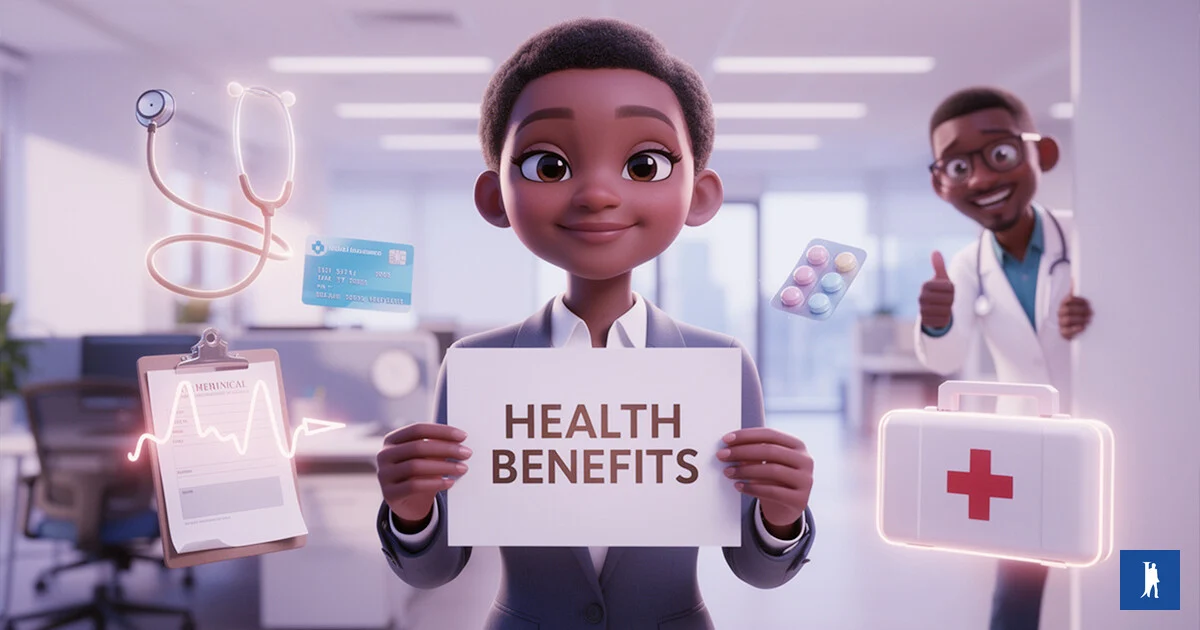
With medical costs rising, out-of-pocket payments accounting for one-third of health spending, and life in Accra putting constant pressure on family budgets, health insurance is no longer a luxury. It is quickly becoming a necessity for survival. Here is why.
Introduction: The High Cost of Getting Sick in Accra
Let us be honest. Accra is an expensive city to live in. The cost of living for one person is around £896 per month . That covers housing, food, and transport. It does not cover a major health emergency.

A visit to a private clinic can cost anywhere from $15 to $30 for a consultation . A minor procedure like an induced abortion in Accra can cost between GH¢250 and GH¢400, depending on the facility . Now imagine a serious illness—cancer, heart disease, or a complicated surgery. The costs can run into tens of thousands of cedis.
📢 GET A DETAILED ARTICLES + JOBS
Join ASJ's WhatsApp Channel and never miss a post or opportunity.
As the Group CEO of Enterprise Group, Daniel Larbi-Tieku, pointed out, research shows that 61% of medical expenses in Ghana are financed through personal savings, assistance from family and friends, or emergency funds . This means that for many families, a medical emergency is also a financial crisis.
A cancer diagnosis, for instance, can be financially catastrophic for patients and their families . This is the reality of healthcare in Accra, and it is why health insurance is becoming more important than ever.
The NHIS Is Growing, But It Has Gaps
The good news is that Ghana’s National Health Insurance Scheme (NHIS) is getting stronger. In 2026, membership hit 20 million people, representing about 60% coverage . Following the rollout of the Free Primary Healthcare policy, the NHIA announced that over 26 million Ghanaians had been enrolled, representing a coverage rate of 76% . The government has “uncapped” the fund, ensuring prompt payment of claims to providers, and planned a 120% tariff increase for healthcare providers .
This is all positive. More people are covered, and the scheme is being better funded.
However, the NHIS does not cover everything. Health Minister Kwabena Mintah Akandoh has noted that out-of-pocket payments still account for roughly one-third of total health expenditure . This means many families are still paying large sums directly to access care.
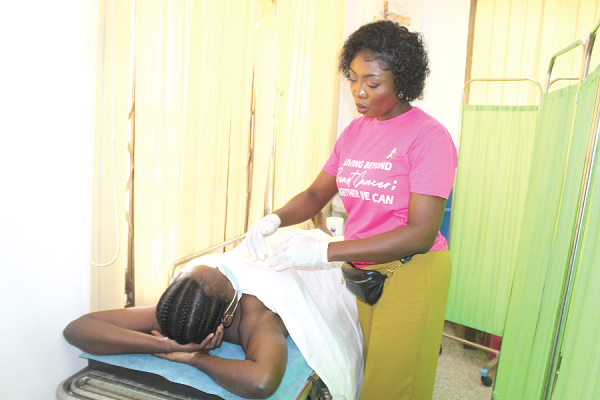
A qualitative study on breast and cervical cancer care—which accounts for 30% of Ghana’s total cancer burden—found several important gaps in the NHIS :
-
Preventive services are excluded: Vital screening tests like pap smears and mammograms are not covered .
-
Essential medicines are limited: Some chemotherapy drugs are not on the approved list, forcing patients to pay out of pocket .
-
Provider inefficiencies: Some healthcare providers are unaware of what the NHIS covers, leading them to charge patients for services that should be free .
One of the most persistent problems is that patients are asked to pay for services on-site that are not liable for reimbursement because providers believe the NHIS tariffs are too low and do not cover the actual cost of care . This gap between policy and practice means patients often end up paying for treatment that should be covered.
Private Health Insurance Is Expanding
Because the NHIS has gaps, private health insurance is playing a growing role. For a long time, private insurance mainly served corporate Ghana—big companies covering their employees. But that is changing.
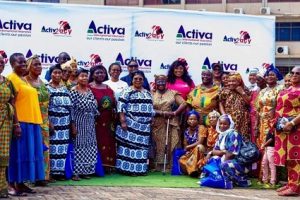
In 2026, Acacia Health Insurance launched a new retail product called Eden Care . It is designed for individuals, families, small businesses, and the informal sector—ordinary Ghanaians who do not have corporate cover . The company’s Managing Director, Mrs. Araba Asumanu, said that for years the question from these groups was consistent: “What about us?” . The launch of Eden Care is the company’s answer.
The product offers:
-
Three flexible packages (Essential, Enhanced, Elite) to suit different budgets .
-
Coverage for chronic conditions with no waiting period, a benefit that addresses a common concern .
-
No restrictive drug list, allowing patients to access needed medications.
-
Access to over 750 accredited healthcare providers nationwide .
-
Telemedicine services, 24-hour support, and digital onboarding .
Another major development is the DOSH Health Insurance platform, integrated with MTN MoMo. It offers entry-level premiums starting at just GH¢365 per year—about GH¢1 per day—making private health insurance more accessible than ever.
Key Reasons Why Insurance Is Essential
1. Inflation and High Cost of Living
As we mentioned, living in Accra is expensive . A healthcare emergency can derail your entire financial plan. The 2026 budget allocated GH¢11 billion to the NHIS to help protect families from the financial shock of illness, but the reality is that NHIS coverage is not always enough .
2. You Are at Risk of Catastrophic Expenditure
When you spend more than 40% of your income on healthcare, it is called “catastrophic expenditure.” Out-of-pocket payments account for a third of Ghana’s total health spend . This means many families are one serious illness away from poverty. Health insurance prevents this by capping your financial risk.
3. Preventing the Stress of “Self-Financing”
Most Ghanaians rely on savings, family, or loans for medical bills . This is an unpredictable and unreliable way to manage healthcare. As the Managing Director of Acacia noted, people are looking for the assurance that when illness comes, “the care they need will not be beyond reach” .
Conclusion: A Smart Investment for Your Family
Health insurance is essential because it provides financial security. The NHIS offers a strong foundation, and it is getting better. But it does not cover everything. For the gaps—chronic disease management, access to private specialists, and peace of mind—private insurance is increasingly important.
The reality in Accra is that you cannot afford to get sick without financial protection. Whether you rely on the NHIS, top it up with a private plan like Eden Care or DOSH, you need a plan. As Daniel Larbi-Tieku put it: “Customer centricity is not merely a slogan, it is a disciplined practice” . For your own family, health insurance should be a disciplined practice too.
Quick Facts
| Topic | Details |
|---|---|
| NHIS Enrolment (2026) | 20–26 million active members (60–76% coverage) |
| Out-of-Pocket Spending | ~33% of total health expenditure |
| NHIS Tariff Increase (2026) | Average 120% |
| Private Health Insurance Coverage | ~1% of population |
| Retail Product Example | Acacia Eden Care: 3 flexible packages, no waiting period, no restrictive drug list |
Frequently Asked Questions
1. Why is health insurance so important in Accra?
Health insurance protects families from catastrophic medical bills. With out-of-pocket spending making up about one-third of health expenditure, a serious illness can easily wipe out savings or push a family into debt <span class=””>.
2. Is the NHIS enough to cover my healthcare needs?
The NHIS covers about 95% of common disease conditions and has expanded coverage significantly in 2026, but it has important gaps . It does not cover routine cancer screenings, some essential medicines, and there can be issues with provider tariffs that lead to patients paying out-of-pocket .
3. What is the cost of private health insurance in Accra?
Private health insurance is becoming more affordable. Acacia’s Eden Care offers flexible packages, and DOSH Health Insurance offers entry-level plans from as low as GH¢1 per day.
4. What is the Free Primary Healthcare policy?
Introduced in 2026, the Free Primary Healthcare policy aims to remove the financial barrier to primary care. It has been integrated with the NHIS and has helped boost membership .
5. What are the main gaps in the NHIS?
Research shows the NHIS does not fully cover preventive care like cancer screening , some essential medicines are not on the approved list , and operational inefficiencies often lead to patients paying informal copayments .
6. What is Acacia’s Eden Care?
Eden Care is a retail health insurance product launched in mid-2026 . It is designed for individuals, families, and small businesses and offers coverage for chronic conditions without a waiting period, no restrictive drug list, and telemedicine services .
7. Who does private health insurance serve in Ghana?
Historically, private health insurance has mainly served corporate Ghana . However, new products like Eden Care are extending coverage to individuals, families, the informal sector, and retirees .
8. Why do some patients still pay out-of-pocket with NHIS?
Some healthcare providers collect copayments because they feel that the NHIS tariffs are too low to cover the actual cost of care . This is a long-standing challenge that the NHIA is working to address through tariff reviews
Source: Accra Street Journal
Last Updated on August 18, 2026 by Samuel Kwame Boadu
Disclaimer: Some content on Accra Street Journal may be aggregated, summarized, or edited from third-party sources for informational purposes. Images and media are used under fair use or royalty-free licenses. Accra Street Journal is a subsidiary of SamBoad Publishing Hub under SamBoad Business Group Ltd, registered in Ghana since 2014.
For concerns or inquiries, please visit our Privacy Policy or Contact Page.

Samuel Kwame Boadu is a Ghanaian media entrepreneur and storyteller with a passion for amplifying urban voices and uncovering everyday truths. He is the Editor-in-Chief and Founder of Accra Street Journal, a dynamic digital platform dedicated to capturing the pulse of Ghana’s capital—its people, culture, challenges, business, sports and innovations.