Introduction: A Buyer’s Nightmare
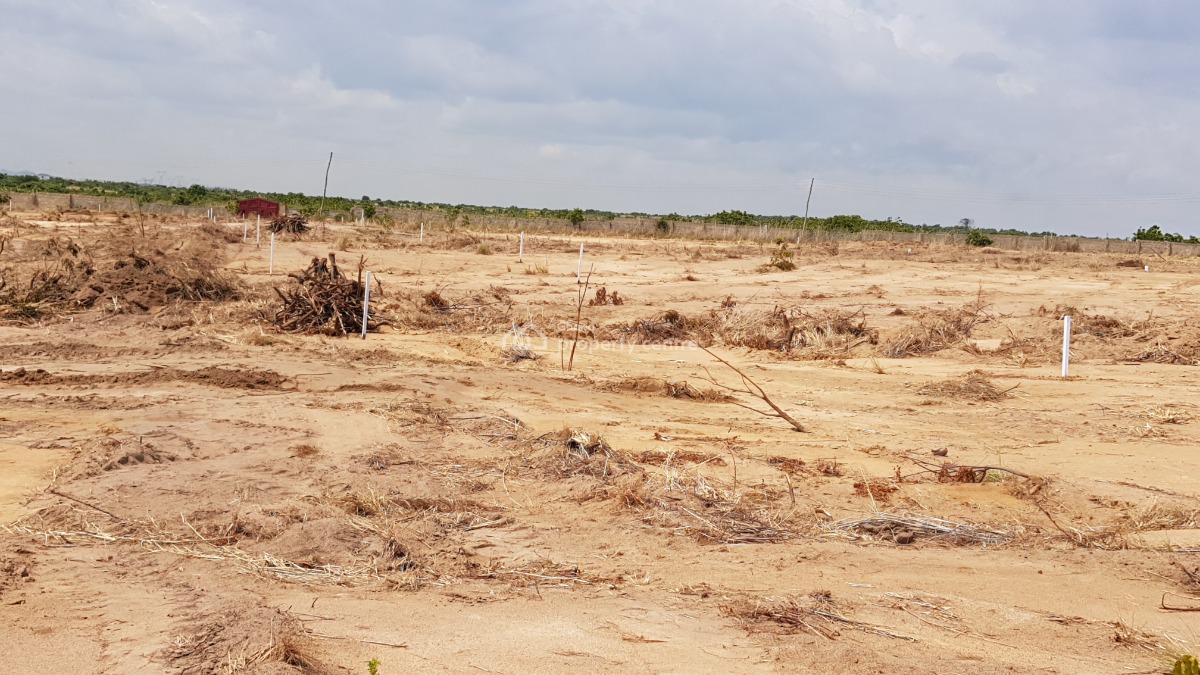
Ewurama Thompson bought a parcel of land from three people who presented themselves as family representatives. She paid her money, received her documents, and planned to build a shopping mall. Three years later, a group of people confronted her on the land. The man leading them introduced himself as the head of the family and told her the sale was invalid. The land had not been sold by the proper authorities, and she should stay away .
Ewurama’s story is not unusual. It happens every day across Ghana. The mistake is not buying family land—the mistake is buying family land without understanding the hidden rules that govern who can sell it, how consent must be given, and what happens if the transaction is done wrong.

This Accra Street Journal guide explains the risks of buying family land that most sellers will never tell you—and how to protect yourself from becoming Ewurama’s next neighbor in litigation.
📢 GET A DETAILED ARTICLES + JOBS
Join ASJ's WhatsApp Channel and never miss a post or opportunity.

The Fundamental Rule: Only the Head Can Sell
In Ghanaian customary law, the head of the family is the key person in every family who takes charge of all family affairs . When it comes to family property, the position of the law is clear: every sale or transfer of family land must be made by the head of the family as a fiduciary with the consent of the family elders .
This is not a suggestion. It is a legal requirement that dates back over 150 years. In the 1872 case of Awortchie v. Eshon, the court held that when a man sells family land, the purchaser must verify that the seller is the head of the family and that the concurrence of the family members has been obtained. If the purchaser knows the land is family land and pays money to the head without requiring proof of family consent, “his money was considered lost .

The law was reaffirmed in the landmark case of Dotwaah v. Afriyie [1965] GLR 257 SC, where the Supreme Court held:
“The head of the family or the successor is an indispensable person in the alienation of family land; and alienation of family property made by the head of the family or a successor purporting to be with the consent and concurrence of the principal members of the family is voidable at the instance of the family if they act timeously; but a conveyance made by any other member without the indispensable person, the head of the family or the successor as the case may be, is void ab initio and confers no interest or title in the land on the purchaser or mortgagee” .
This is the most important sentence any family land buyer will ever read.
Understanding the Key Legal Terms
Void Ab Initio
A transaction that is “void ab initio” means it is void from the beginning. It never had any legal effect. If you buy family land from someone who is not the head of the family acting with the consent of the principal members, your transaction is not merely defective—it is legally nonexistent. You have no interest in the land, no matter how much you paid .
Voidable
A transaction that is “voidable” means it is valid unless and until the family chooses to set it aside. If the head of the family and principal members sell the land, the family may later challenge the sale if they act “timeously” (within a reasonable time). However, the sale is not automatically invalid—the family must take action to void it .
Principal Members
Principal members are elders within the family who are appointed to work with the head of the family. The law requires the concurrence of these principal members—not every single family member. However, the head cannot act alone .
Who Has the Authority to Sell Family Land?
| Seller | Validity of Transaction | What You Get |
|---|---|---|
| Head of family + principal members | Valid (voidable if family objects timeously) | A potentially valid interest, but still subject to challenge |
| Head of family alone (without principal members) | Voidable | A weaker interest; family can set aside |
| Any other family member (not the head) | Void ab initio | Nothing. You have no legal interest in the land |
The critical distinction is this: if you buy from anyone other than the head of the family acting with the consent of principal members, the transaction is void from the beginning. It is as if you never bought anything at all.
As the law was settled in Dotwaah v. Afriyie, the head of the family is the “indispensable person” in the alienation of family land. Without the head’s participation, no valid transaction can occur .
Why Family Land Transactions Are So Risky
Risk 1: Multiple “Heads” of Family
Disputes over who is the legitimate head of a family are common. Families quarrel over succession. Different factions recognize different leaders. When you buy from someone who claims to be the head, you may later discover that another faction recognizes a different person as the rightful head—and that person may reject your transaction.
Risk 2: No Written Record of Consent
The law requires the “concurrence of the principal members of the family.” But there is no standard, publicly accessible record of who the principal members are or what constitutes their consent. You must rely on what the seller tells you and whatever documentation they provide—which may be incomplete or fabricated.

Risk 3: Family Can Void the Sale Even Years Later
The Supreme Court in Dotwaah v. Afriyie held that a sale by the head of the family with consent of principal members is voidable if the family acts “timeously.” However, there is no fixed statute of limitations. The family could challenge the sale years after you have built on the land. The 1872 case of Awortchie v. Eshon held that “there is no limitation of time” for a family to intervene to set aside a sale .
Risk 4: No Protection for “Innocent” Purchasers
Unlike some legal systems where an innocent purchaser for value without notice may be protected, Ghanaian customary law offers limited protection. If you knew or should have known that the land was family land, you bear the risk. The 1872 court held that if the purchaser knew the land was family land and did not verify proper consent, “his money was considered lost” .
Risk 5: The Land Act, 2020 Holds Fiduciaries Accountable
The Land Act, 2020 (Act 1036) holds chiefs, clan heads, family heads, and any authority in charge of management of stool, skin, clan, or family lands accountable as fiduciaries . While this creates legal accountability, it does not protect an uninformed buyer who fails to verify that the seller is the legitimate fiduciary.
How to Protect Yourself: Before paying for family land, request documentation showing that the transaction was approved by the family head with the concurrence of principal members. This should ideally include minutes of family meetings, signed consent forms, and witness signatures from independent third parties.
The Documentation Trap
Family lands are often not registered with the Lands Commission. The “documents” you receive may be:
-
A handwritten receipt
-
A family declaration
-
A sketch of boundaries
-
A sale agreement signed by the seller
None of these documents prove that the seller had authority to sell. The Lands Commission requires a site plan prepared by a licensed surveyor, proof of ownership (indenture, family declaration, etc.), a completed application form (Form 1A), passport photographs, valid identification, a search report, and payment receipts for applicable fees . But even with these documents, your title is only as strong as the authority of the person who sold it to you.
What You Need: A proper sale and purchase agreement should include the full names of the buyer and seller, land size, location, and boundaries, purchase price and payment terms, timeline for possession, representations, warranties, and dispute resolution clauses .
Your Action Plan for Buying Family Land
Step 1: Identify the Rightful Head of Family
Do not rely on what the seller tells you. Ask to see documentation of their position. Inquire within the community. Speak to multiple family members. Verify that the person claiming to be the head is recognized as such by the principal members.
Step 2: Verify Consent of Principal Members
Request evidence that the principal members of the family concurred with the sale. This should be documented in writing, preferably in the form of minutes of a family meeting signed by attendees.
Step 3: Engage a Lawyer Before You Pay
Engage a real estate lawyer experienced in land transactions. Your lawyer will verify ownership and title history, draft or review the sale and purchase agreement, and ensure the transaction is legally valid and safe .
Step 4: Conduct a Search at the Lands Commission
Conduct a search at the Lands Commission to confirm whether the land is registered, who the rightful owner is, and if there are any encumbrances (such as court injunctions or mortgages). Never skip this step .
Step 5: Pay with Traceable Evidence
Avoid cash. Always use bank transfers or cheques and keep copies of all receipts . If the transaction is later challenged, you need proof of payment.
Step 6: Register the Land Immediately
After purchase, register the land in your name at the Lands Commission. This step provides legal proof of your interest and protects you from future ownership disputes .
Red Flags When Buying Family Land
| Red Flag | Why It’s Dangerous |
|---|---|
| Seller refuses to show proof of headship | You cannot verify authority to sell |
| No documentation of family consent | You have no evidence principal members approved |
| Seller pressures you to pay cash | Cash leaves no traceable evidence |
| Land is unusually cheap | May indicate the seller lacks authority |
| Multiple “owners” claim the same land | Indicates family dispute over authority |
| Seller cannot produce a site plan | Land may not be properly surveyed |
| Lawyer not involved | No professional verifying the transaction |
The Cost of Getting It Wrong
If you buy family land from the wrong person, you risk:
-
Loss of your entire investment – The seller may disappear with your money
-
Years of litigation – Family land disputes are among the most common cases clogging Ghana’s court system
-
Loss of any structures you build – If the family voids the sale, you may lose both land and building
-
Inability to sell or use as collateral – Unregistered land has limited market value
It is far cheaper to prevent a land dispute than to fight one in court .
The Alternative: Consider Private or State Lands
If the risks of family land seem daunting, consider alternative options:
Private Lands
Private lands are owned by individuals or companies and are registered at the Lands Commission. The ownership is clear, and transactions require only the seller’s consent—not family concurrence.
State Lands
State lands are owned and managed by the Government of Ghana. Transactions are more structured, though availability is limited .
The primary advantage of private or state lands is clarity of ownership. There is no family to consult, no principal members to satisfy, no risk of the transaction being declared void ab initio.
Frequently Asked Questions (FAQs)
1. Can I buy family land from a family member who is not the head?
Yes, but the transaction will be void ab initio—it confers no interest in the land. You would need the head of family and principal members to ratify the sale .
2. What documents prove that the head of family sold the land?
Ideally, minutes of a family meeting signed by the head and principal members, a sale and purchase agreement, and a site plan from a licensed surveyor. These should be presented at the Lands Commission.
3. How do I verify who the head of family is?
Inquire within the community, speak to multiple family members, and ask for documentation of the seller’s position. If there is a dispute, do not proceed until it is resolved.
4. Can a family challenge a sale years after it happened?
Yes. There is no fixed statute of limitations. The 1872 case of Awortchie v. Eshon held that “there is no limitation of time” for a family to set aside a sale .
5. Does the Land Act, 2020 protect buyers of family land?
The Land Act holds family heads accountable as fiduciaries, but it does not protect a buyer who fails to verify that the seller had authority to sell .
6. What is the difference between void ab initio and voidable?
Void ab initio means the transaction never had any legal effect—you have no interest in the land. Voidable means the transaction is valid unless the family chooses to set it aside .
7. Should I buy family land without a lawyer?
No. Engaging a real estate lawyer early is essential to verify ownership and ensure the transaction is legally valid .
8. How can I protect myself if I already bought family land?
If you have already bought family land, register it at the Lands Commission immediately. If you suspect the seller lacked authority, consult a lawyer to assess your position.
9. Can a foreigner buy family land?
Foreigners can only obtain leasehold interests, not freehold. For family land, the same rules apply: the head of family with consent of principal members must sell .
10. What is the 30-day registration target?
The government has set an ambitious target of 30-day turnaround for land title registration. This target has not yet been consistently achieved .
Conclusion: Knowledge Is Your Only Protection
Family land is not inherently dangerous. Millions of Ghanaians own family land without dispute. The danger is not the land—it is buying the land without understanding the rules.
The head of family, with the consent of principal members, is the indispensable authority for any valid sale. Without the head’s participation, the transaction is void from the beginning. With the head’s participation but without proper consent, the transaction is voidable and can be challenged.
Before you pay for family land, verify:
-
Who is the rightful head of family?
-
Who are the principal members?
-
Have they consented to this sale?
-
Is that consent documented?
And always, always engage a lawyer before you pay.
Ewurama Thompson learned these lessons too late. You do not have to.
Frequently Asked Questions (FAQs)
1. Can I buy family land from a family member who is not the head?
No, the transaction will be void ab initio. You need the head of family and principal members to ratify the sale .
2. What documents prove that the head of family sold the land?
Minutes of a family meeting signed by the head and principal members, a sale and purchase agreement, and a site plan from a licensed surveyor .
3. How do I verify who the head of family is?
Inquire within the community, speak to multiple family members, and ask for documentation of the seller’s position.
4. Can a family challenge a sale years after it happened?
Yes. There is no fixed statute of limitations .
5. Does the Land Act, 2020 protect buyers of family land?
It holds family heads accountable as fiduciaries but does not protect a buyer who fails to verify authority .
6. What is the difference between void ab initio and voidable?
Void ab initio means the transaction never had legal effect. Voidable means it is valid unless set aside .
7. Should I buy family land without a lawyer?
No. Engaging a real estate lawyer early is essential .
8. How can I protect myself if I already bought family land?
Register it at the Lands Commission immediately and consult a lawyer.
9. Can a foreigner buy family land?
Yes, but only leasehold interests, with the same rules applying .
10. What is the 30-day registration target?
A government target for land title registration that has not yet been consistently achieved
Source: Accra Street Journal
Last Updated on June 14, 2026 by Samuel Kwame Boadu
Disclaimer: Some content on Accra Street Journal may be aggregated, summarized, or edited from third-party sources for informational purposes. Images and media are used under fair use or royalty-free licenses. Accra Street Journal is a subsidiary of SamBoad Publishing Hub under SamBoad Business Group Ltd, registered in Ghana since 2014.
For concerns or inquiries, please visit our Privacy Policy or Contact Page.

Samuel Kwame Boadu is a Ghanaian media entrepreneur and storyteller with a passion for amplifying urban voices and uncovering everyday truths. He is the Editor-in-Chief and Founder of Accra Street Journal, a dynamic digital platform dedicated to capturing the pulse of Ghana’s capital—its people, culture, challenges, business, sports and innovations.