




4 min read
Ghana’s economy recorded 6.8 per cent growth in August 2026, up from 5.3 per cent a year earlier, with the services sector accounting for 69.9 per cent of total expansion, according to the Ghana Statistical Service’s monthly growth indicator.
Ghana’s economy recorded a 6.8 per cent growth in August 2026, up from 5.3 per cent in the same period last year, driven largely by strong performance in the services sector.
Key Takeaways
- Ghana's economy recorded a 6.8 per cent growth in August 2026, up from 5.3 per cent in the same period last year, driven largely by strong performance in the services sector.
- The August performance brings the average growth recorded in July and August to 6.9 per cent, providing an early indication of economic activity in the third quarter of 2026.
- The Ghana Statistical Service says the monthly indicator has consistently tracked quarterly GDP performance, with both measures recording 6 per cent growth in the second quarter of 2026.
Data from the Ghana Statistical Service’s (GSS) August 2026 Monthly Indicator of Economic Growth (MIEG) shows that the services sector remained the biggest contributor to economic expansion, accounting for 69.9 per cent of total growth.
Services Accelerate
The sector expanded by 10.7 per cent during the period, compared with 7.1 per cent in August 2025, with information and communication activities leading the growth.
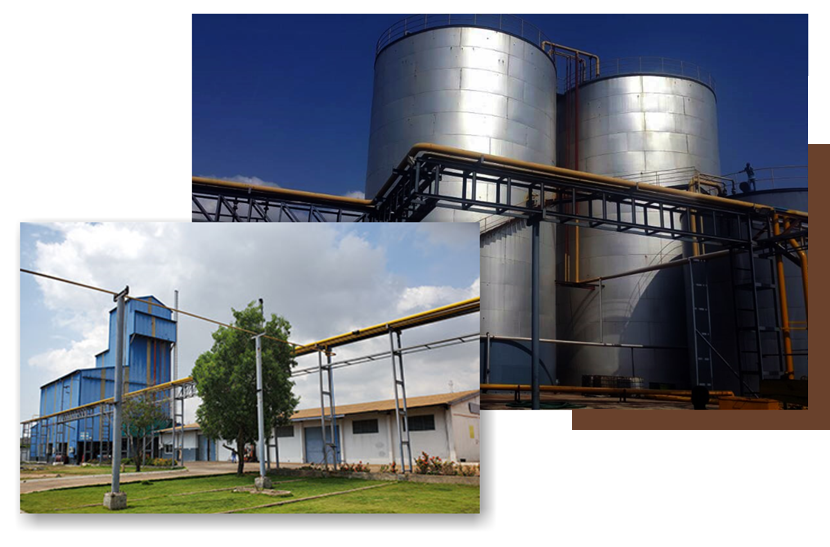
Industry also recorded an improvement, growing by 4.5 per cent, up from 0.8 per cent a year earlier. The performance was largely supported by manufacturing, alongside mining and quarrying activities.
Agriculture, however, slowed significantly.
Agriculture Decelerates Sharply
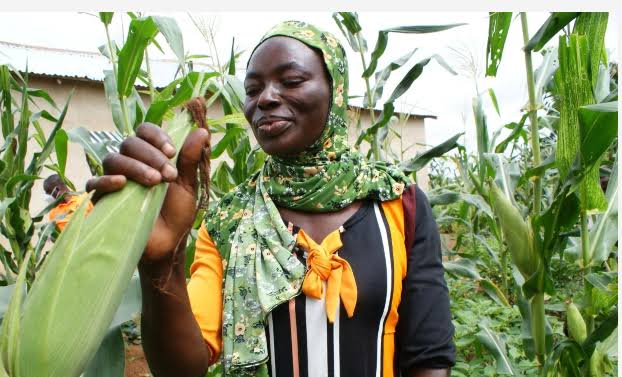
Growth in agriculture slowed to 2.6 per cent in August, compared with 8.6 per cent in the same period last year and 3.7 per cent in July 2026.
The divergence across the three sectors is the defining feature of the August data. Services and industry accelerated; agriculture decelerated to less than a third of its year-earlier pace.
The Contribution Breakdown
The latest figures indicate that:
-
Services contributed 4.8 percentage points to the overall 6.8 per cent growth
-
Industry accounted for 1.4 percentage points
-
Agriculture contributed 0.5 percentage points
-
Net taxes accounted for the remaining 0.1 percentage point
The concentration in services is significant. An economy growing on the back of information and communication activity is generating a different kind of growth than one expanding through agriculture or manufacturing — typically higher in value per unit of output, but also more dependent on electricity reliability, digital infrastructure and a skilled workforce.
July Revised Downward
The Government Statistician, Alhassan Iddrisu, said the monthly indicator provides an early assessment of economic performance ahead of the publication of quarterly Gross Domestic Product figures.

The MIEG data further shows that economic activity grew by 7 per cent in July 2026, although the figure was revised downward from an earlier estimate of 7.4 per cent following the availability of additional data.
The August performance brings the average growth recorded in July and August to 6.9 per cent, providing an early indication of economic activity in the third quarter of 2026.

Tracking the Quarterly Numbers
The Ghana Statistical Service says the monthly indicator has consistently tracked quarterly GDP performance, with both measures recording 6 per cent growth in the second quarter of 2026.
The August figures are provisional and subject to revision as additional data become available.
The next MIEG release, covering September 2026, is expected in the second week of December.
That revision pattern is worth noting. The downward adjustment to July’s estimate, from 7.4 per cent to 7.0 per cent, illustrates that the monthly indicator functions as a signal rather than a final measure — a caveat that matters when the data is used to frame budget projections or investor sentiment.
Quick Facts
Ghana’s economy grew 6.8 per cent in August 2026, up from 5.3 per cent a year earlier, according to the Ghana Statistical Service’s Monthly Indicator of Economic Growth. The services sector expanded 10.7 per cent — up from 7.1 per cent — led by information and communication, and contributed 69.9 per cent of total growth, or 4.8 percentage points of the headline figure.
Industry grew 4.5 per cent, up sharply from 0.8 per cent, supported by manufacturing, mining and quarrying, contributing 1.4 percentage points. Agriculture slowed to 2.6 per cent from 8.6 per cent a year earlier and 3.7 per cent in July, contributing just 0.5 percentage points, with net taxes adding 0.1 percentage points.
July’s growth was revised down to 7.0 per cent from an earlier 7.4 per cent estimate, bringing the July–August average to 6.9 per cent — an early signal for third-quarter activity. The second quarter recorded 6 per cent growth on both the monthly and quarterly measures. Government Statistician Alhassan Iddrisu noted the indicator is an early assessment ahead of quarterly GDP publication, and the figures are provisional, with the September MIEG due in the second week of December.
Source: Accra Street Journal
Last Updated on November 12, 2026 by Samuel Kwame Boadu
Ghana Market Watch
Track Ghana’s economy and financial markets with exchange rates, bank rates, fuel prices, food and commodity prices, economic indicators and financial market updates.

Disclaimer: Some content on Accra Street Journal may be aggregated, summarized, or edited from third-party sources for informational purposes. Images and media are used under fair use or royalty-free licenses. Accra Street Journal is a subsidiary of SamBoad Publishing Hub under SamBoad Business Group Ltd, registered in Ghana since 2014.
For concerns or inquiries, please visit our Privacy Policy or Contact Page.

Samuel Kwame Boadu is a Ghanaian media entrepreneur and storyteller with a passion for amplifying urban voices and uncovering everyday truths. He is the Editor-in-Chief and Founder of Accra Street Journal, a dynamic digital platform dedicated to capturing the pulse of Ghana’s capital—its people, culture, challenges, business, sports and innovations.
Use the following reference when citing or referencing this article.
Your feedback helps us improve our journalism.
Report an Error
Help us maintain accuracy. Let our editorial team know if you spot an issue in this article.
Report a problem with this article