
5 min read
Ghana’s Treasury is committing GH¢15.5 billion to the Ministry of the Interior in its 2027 Budget, outpacing the military’s GH¢10.1 billion allocation as Accra prioritises domestic policing, personnel welfare and border resilience.
Ghana’s Treasury is committing GH¢15.5 billion to the Ministry of the Interior in its 2027 budget, outpacing the military’s GH¢10.1 billion allocation as Accra prioritises domestic policing, personnel welfare and border resilience amid regional Sahel security pressures and a push toward a round-the-clock economy.
Key Takeaways
- Ghana's Treasury is committing GH¢15.5 billion to the Ministry of the Interior in its 2027 Budget, outpacing the military's GH¢10.1 billion allocation as Accra prioritises domestic policing, personnel welfare and border resilience.
- Combined with the Defence vote, the GH¢25.6 billion national security envelope underscores the administration's view that investor confidence and round-the-clock commercial activity depend on visible law enforcement and rapid emergency response.
- Further spending covers armoured personnel carriers, operational vehicles, body armour and firearms-control tracking, alongside a GH¢2.26 billion justice, custodial and identification package for Nsawam Medium Security Prison and the National Identification Authority.
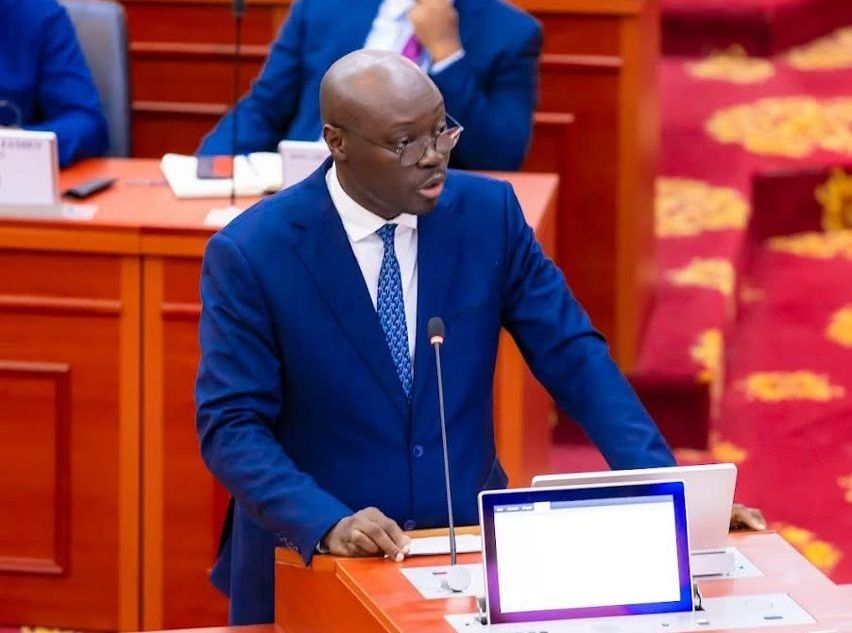
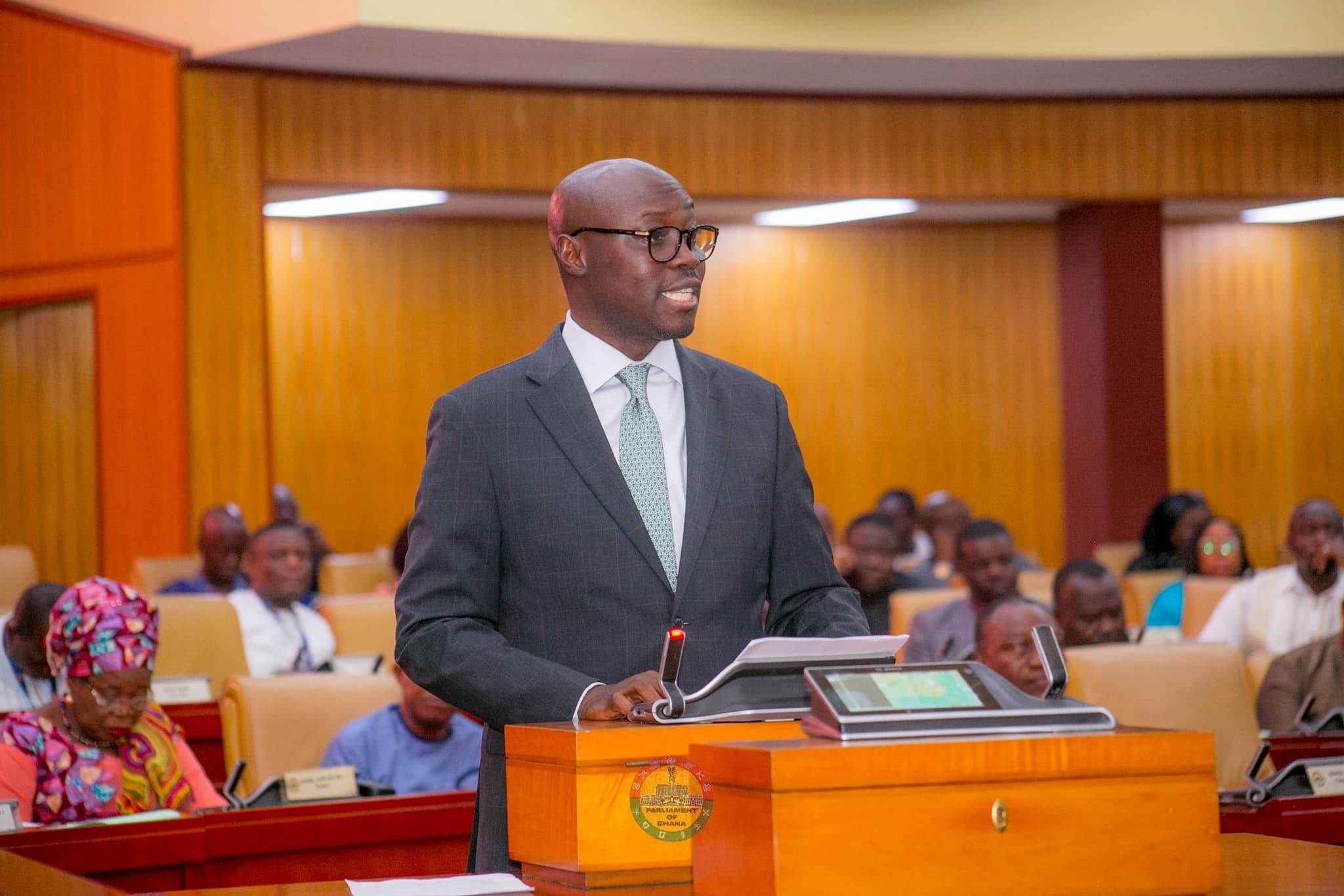
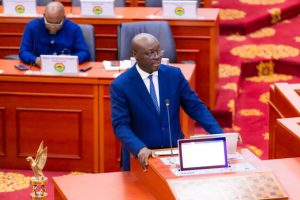
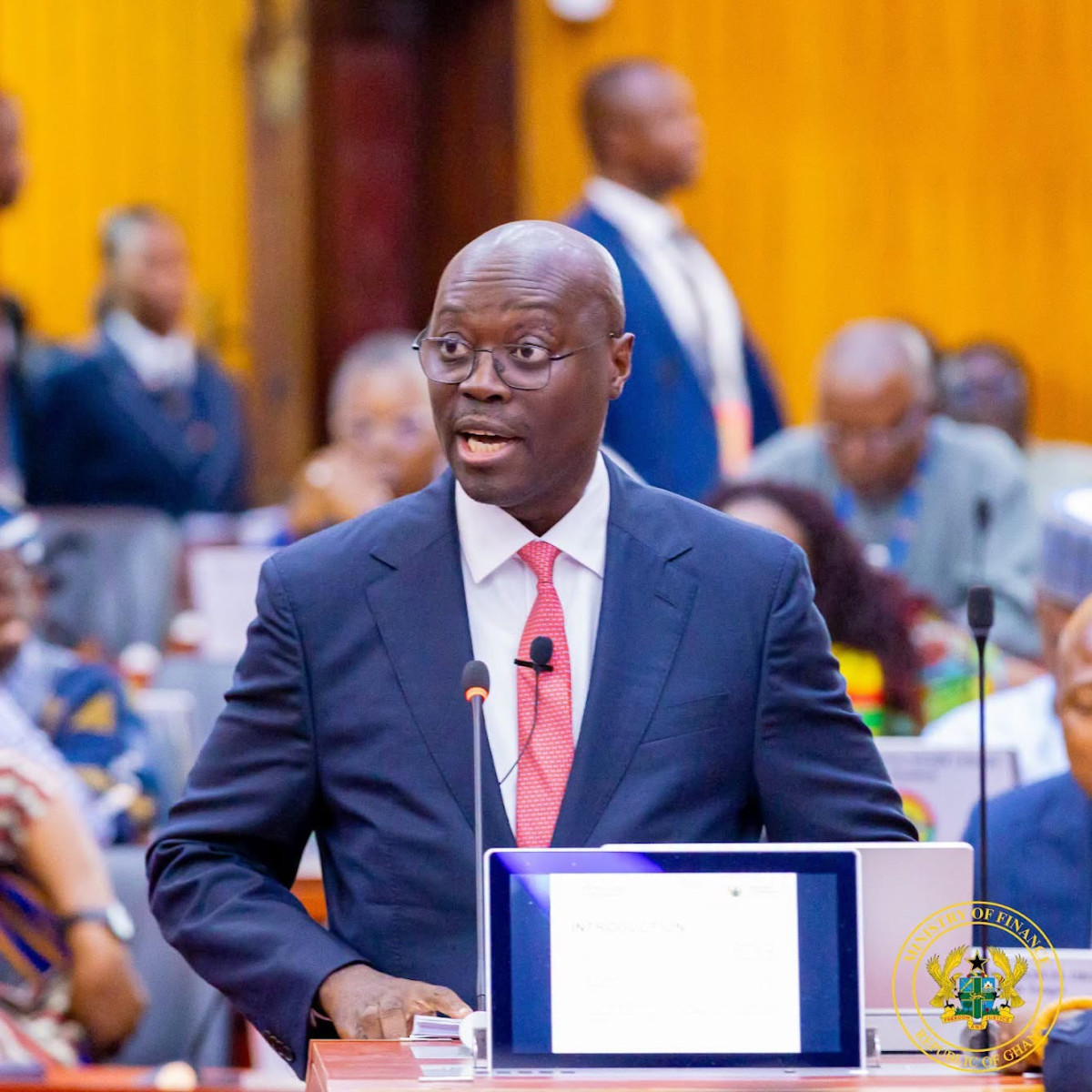
Unveiled to Parliament Thursday evening by Finance Minister Dr Cassiel Ato Forson within a GH¢389.2 billion overall spending plan, the allocation represents a notable increase from the roughly GH¢13.7 billion budgeted for the ministry in 2025.
Combined with the Defence vote, the GH¢25.6 billion national security envelope underscores the administration’s view that investor confidence and round-the-clock commercial activity depend on visible law enforcement and rapid emergency response.
That a domestic ministry outranks the military in allocation is itself a policy statement. Ghana’s armed forces are engaged in external peacekeeping and northern border operations, but the government’s near-term economic agenda — night-time commerce, logistics, market operations — depends on police, fire and emergency services functioning reliably after dark.
Inside the GH¢15.5 Billion Security Envelope
Because the Interior Ministry oversees Ghana’s primary domestic uniformed services — including the Ghana Police Service, Ghana National Fire Service, Ghana Immigration Service, Ghana Prisons Service and NADMO — the bulk of the vote covers salaries and operational readiness.
However, the 2027 budget directs significant capital toward addressing chronic infrastructure and equipment deficits.
Police Barracks and Housing — GH¢300 million. Following an October 2026 directive from President John Dramani Mahama, the budget sets aside GH¢300 million to construct 250 new apartments for officers of the Ghana Police Service, easing severe overcrowding in urban barracks.
Police Hospital Expansion — GH¢200 million. An additional GH¢200 million is earmarked to complete a long-stalled expansion of the Ghana Police Hospital in Accra, adding 106 beds (bringing capacity above 300), a 12-bed intensive care unit, MRI and CT scanners, and specialised surgical theatres.
Tactical mobility and protective gear. Building on recent deliveries of armoured personnel carriers, the allocation funds continued procurement of operational vehicles, body armour and firearms-control tracking systems to counter armed robbery and cross-border illicit weapons trafficking.
Custodial and identification infrastructure. Alongside the Interior vote, Dr Ato Forson announced targeted funding within a broader GH¢2.26 billion justice, custodial and identification package to upgrade facilities at Nsawam Medium Security Prison and sustain operations at the National Identification Authority

Regional Spillover and the 24-Hour Economy Mandate
For security analysts and foreign businesses operating in West Africa, Ghana’s internal security spending is closely watched as a barometer of regional stability.
With violent extremism and transnational organised crime expanding across neighbouring Sahelian states, Accra has leaned heavily on the Ghana Immigration Service and border patrol units — supported by international initiatives like the EU for a Secure Ghana project — to secure northern frontiers.

Domestically, higher policing outlays are directly tied to the government’s broader economic agenda. Expanding commercial activity, night-time logistics and market operations requires continuous street patrols, reliable fire-service coverage for crowded urban markets and faster emergency dispatch.
The connection is often treated as rhetorical; it is in fact operational. A 24-hour economy presumes that a factory operating at 3am can summon emergency services, that night markets are policed, and that fire response in densely packed commercial areas is adequate. Without those conditions, extended operating hours simply shift risk onto businesses.
The Execution Test
For fiscal hawks and civil society observers, the central question for 2027 is whether capital releases will reach frontline stations after recurring personnel emoluments are paid.
While boosting police housing, medical care and armoured mobility addresses longstanding morale and equipment gaps, sustained reductions in crime and border vulnerabilities will depend on disciplined procurement and timely quarterly disbursements from the Treasury.
That caveat reflects a known pattern in Ghanaian security budgeting: personnel costs consume the large majority of allocations, and capital items are frequently the first to be deferred when revenue underperforms. Barracks announced in November can remain unbuilt for years if disbursement follows the historical curve.
Quick Facts
Ghana’s 2027 Budget commits GH¢15.5 billion to the Ministry of the Interior, up from roughly GH¢13.7 billion in 2025, exceeding the GH¢10.1 billion Defence allocation and bringing the combined national security envelope to GH¢25.6 billion within a GH¢389.2 billion total budget.
The ministry vote covers the Ghana Police Service, Ghana National Fire Service, Ghana Immigration Service, Ghana Prisons Service and NADMO, with capital allocations including GH¢300 million for 250 police apartments following a directive from President John Dramani Mahama, and GH¢200 million to complete the Ghana Police Hospital expansion adding 106 beds, a 12-bed ICU, MRI and CT scanners.
Further spending covers armoured personnel carriers, operational vehicles, body armour and firearms-control tracking, alongside a GH¢2.26 billion justice, custodial and identification package for Nsawam Medium Security Prison and the National Identification Authority.
The allocation is tied to Sahel security spillover on northern borders, supported by the EU for a Secure Ghana project, and to the 24-hour economy agenda requiring night patrols, fire coverage and emergency response. Success depends on timely quarterly disbursements reaching frontline stations after personnel costs are paid.
Source: Accra Street Journal

Last Updated on November 12, 2026 by Samuel Kwame Boadu
Disclaimer: Some content on Accra Street Journal may be aggregated, summarized, or edited from third-party sources for informational purposes. Images and media are used under fair use or royalty-free licenses. Accra Street Journal is a subsidiary of SamBoad Publishing Hub under SamBoad Business Group Ltd, registered in Ghana since 2014.
For concerns or inquiries, please visit our Privacy Policy or Contact Page.

Samuel Kwame Boadu is a Ghanaian media entrepreneur and storyteller with a passion for amplifying urban voices and uncovering everyday truths. He is the Editor-in-Chief and Founder of Accra Street Journal, a dynamic digital platform dedicated to capturing the pulse of Ghana’s capital—its people, culture, challenges, business, sports and innovations.
Use the following reference when citing or referencing this article.
Your feedback helps us improve our journalism.
Report an Error
Help us maintain accuracy. Let our editorial team know if you spot an issue in this article.
Report a problem with this article