






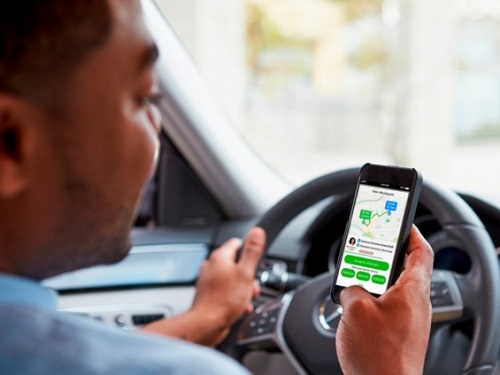
The pitch is simple: sign up, get approved, start earning on your own schedule. The reality involves a stack of documents, a vehicle that meets platform standards, and a choice about whether to drive your own car or rent one from a fleet. For thousands of Ghanaians, ride-hailing has become a viable income stream—but the entry costs and the fine print matter more than the recruitment ads suggest.
The Core Requirements (All Three Platforms)
The document checklist is remarkably consistent across Uber, Bolt, and Yango. Before you download any driver app, gather these:

| Document | Uber | Bolt | Yango |
|---|---|---|---|
| Valid Ghana Driving Licence | Required | Required | Required |
| Vehicle Insurance | Comprehensive recommended; Third Party accepted | Certification Letter or Sticker | Required (via app upload) |
| Roadworthiness Certificate | Required | Required | Required |
| Driver Profile Photo | Required | Clear photo required | Photo check required |
| Ghana Card | Not explicitly listed on Uber’s page | Strongly recommended | Commonly required by fleets |
A critical note on insurance: Uber explicitly states that comprehensive insurance is recommended but third-party is accepted . This is a significant cost difference. Comprehensive insurance for a commercial ride-hailing vehicle can run into thousands of cedis annually. Third-party is cheaper but leaves your own vehicle unprotected in an at-fault accident. Bolt requires an insurance certification letter or sticker, without specifying the tier .
📢 GET A DETAILED ARTICLES + JOBS
Join ASJ's WhatsApp Channel and never miss a post or opportunity.

Uber: The Structured Onboarding
Uber’s Ghana process is the most formalised of the three, with a network of “Uber Heroes”—independent third-party centres that help drivers create profiles, upload documents, and add vehicles at no cost to the driver .
The steps:

-
Sign up online with an email address and smartphone.
-
Upload documents (licence, insurance, roadworthiness, profile photo).
-
Get a vehicle that meets Uber’s standards. If you do not own one, Uber directs you to fleet partners .
-
Complete a Virtual Info Session & Security Assessment .
-
Activate your account.
The fleet option: Uber allows drivers to join a fleet and get into a car without paying anything upfront. Instead, you pay ongoing fees to the fleet owner . This is the lowest-barrier entry point, but it means you do not own the car and your earnings are shared with the fleet owner.
Uber Hero locations include: TEK Ltd (Teshie/Takoradi), Hero Group (Madina/Lapaz), Salvkali Fleet Management (Adenta/Takoradi), Prinfam Consults (Dansoman), BYF Consultancy (Kaneshie), ABS Technologies (Kasoa/Takoradi/Cape Coast), Sharpnet (Osu), and Legacy Cafe (Adabraka/Madina) .
Bolt: The Fastest Registration
Bolt claims the registration process takes less than 15 minutes if you have all documents ready . The platform is free to join—”Opening a Bolt Driver Account is free of charge” .
The steps:
-
Collect your documents (licence, insurance, roadworthiness, profile photo).
-
Submit them through the Bolt driver portal.
-
Wait for review—Bolt says the team reviews applications “within a few hours” .
-
Receive an SMS with a link to create your password or log in.
-
Review the “How to use the Bolt App” information before your first trip.
-
Start driving—Bolt encourages you to take your first trip within 48 hours .
Payment: Bolt pays out weekly. The payment cycle runs from Monday 00:00 to Sunday 23:59, with a balance statement issued afterward . You can receive payments to your mobile money wallet—your MoMo number must start with +233.
If you don’t have a car: Bolt says there are options, and in some cities, longer-term renters can get financing deals from partners . Bolt drivers have reported that some fleets use Toyota Vitz automatics—fuel-efficient and cheaper to run—with daily targets around GH₵130 .
Yango: The Car-Leasing Route
Yango’s pitch is slightly different. It explicitly offers a car leasing option for drivers who do not own a vehicle .
The steps:
-
Download the Yango Pro app (iOS or Android).
-
Complete the registration form.
-
Complete a photo identification check and upload required documents.
-
Start taking rides—Yango says you can start “a few hours after signing up” .
If you don’t have a car: Yango partners with fleet owners who rent cars to drivers. The fee is 18% . The driver fills the tank; the Yango partner handles basic maintenance like oil changes and tyres . If you damage the car and it is your fault, the payments are on you; if it is not your fault, the insurance company covers it.

Earnings claims: Yango advertises weekly bonuses of up to GH₵420 for drivers completing more than 150 rides a week, and monthly earnings of up to GH₵7,000 with Yango partners or your own car . These are indicative figures, not guarantees.
The Real Cost: What the Platforms Don’t Tell You
The Commission Structure
The fare you see is not the fare you keep. Ride-hailing platforms take a commission from each trip. Industry estimates place the commission for Uber, Bolt, and Yango at 25%–30% . Some driver analyses argue the effective rate—once hidden fees and booking charges are tallied—can reach 30% .
The Fleet Trap
If you do not own a car, fleet arrangements can be precarious. A Ghanaian Bolt driver and YouTuber, Drive With Mantong, warned that some fleet deals come with heavy pressure, strict targets, deposits, and deductions, especially for struggling new drivers . He advised newcomers to “take your time, ask questions, and understand every condition before joining any fleet or signing any agreement” .
The alternative is a work-and-pay arrangement, where you make daily or weekly payments toward ownership. Companies like Primelane Ghana and FYM Prime operate these schemes, but they do not publish fixed instalments—the amount depends on the vehicle and the agreement. A low weekly payment can become expensive over several years.
Running Costs
Fuel is the largest ongoing cost. Bolt drivers report that fuel-efficient, low-maintenance vehicles—Toyota Corolla, Suzuki Swift, Hyundai Accent—are preferred over larger, thirstier cars . Bolt has a partnership with MAX for electric motorcycles, which achieve 40%–50% lower operating costs, but that is a separate vehicle category .
Maintenance, insurance, and roadworthiness renewals fall on the driver. If you are on a fleet or work-and-pay arrangement, check who is responsible for what before signing.
ASJ Bottom Line
The cheapest way to start is Bolt, which is free to join, has a fast registration process, and allows you to begin within hours of document approval . If you already own a suitable car, this is the most straightforward path.
Uber offers the most structured onboarding through its Uber Hero network, and the fleet option removes the upfront vehicle cost—but you pay ongoing fees to the fleet owner .
Yango is the most explicit about the leasing route, with an 18% fee for rented cars and partner-managed maintenance . It is a practical option if you want to drive without owning a vehicle, but the 18% fee is significant.
Before you commit, calculate the weak-month test: subtract the commission, fuel, insurance, maintenance, and any fleet or work-and-pay deductions from a bad month’s earnings. If the result is negative, the arrangement is not sustainable, no matter how attractive the platform’s advertised earnings appear.
Quick Facts
| Platform | Signup Cost | Commission (Est.) | Car Option | Payment |
|---|---|---|---|---|
| Uber | Free | 25–30% | Own car or fleet | In-app |
| Bolt | Free | 25–30% | Own car or partner fleets | Weekly to MoMo |
| Yango | Free | 25–30% | Own car or lease (18% fee) | In-app, swift |
Frequently Asked Questions
1. What documents do I need to become a Bolt driver in Ghana?
A clear driver profile picture, valid driver’s licence, vehicle insurance certification letter or sticker, and roadworthiness certificate. A Ghana Card is strongly recommended but not mandatory.

2. Do I need comprehensive insurance to drive for Uber?
Uber recommends comprehensive insurance but accepts third-party insurance . Bolt requires an insurance certification letter or sticker without specifying the tier .
3. Can I drive for Bolt without owning a car?
Yes. Bolt says options exist, and in some cities, longer-term renters can get financing deals from partners . Bolt drivers report that some fleets use Toyota Vitz automatics with daily targets around GH₵130 .
4. How much does Yango charge if I rent a car from them?
The fee is 18% . The driver fills the tank, and Yango partners handle basic maintenance like oil changes and tyres .
5. What is an Uber Hero?
Uber Heroes are independent third-party centres that help drivers create profiles, upload documents, and add vehicles. The service is free to drivers .
6. How much commission do ride-hailing platforms take in Ghana?
Industry estimates place the commission for Uber, Bolt, and Yango at 25%–30% .
7. How quickly can I start driving after registering?
Bolt says applications are reviewed within a few hours and encourages drivers to take their first trip within 48 hours . Yango says you can start receiving rides “a few hours after signing up” .
8. What is the work-and-pay option for ride-hailing drivers?
Companies like Primelane Ghana and FYM Prime provide vehicles to drivers who make daily or weekly payments until they own the car. The instalments depend on the vehicle and agreement, and are not publicly fixed .
9. How do Bolt drivers get paid?
Bolt pays weekly, with the payment cycle running from Monday to Sunday. You can receive payments to your mobile money wallet.
10. Is it better to use my own car or join a fleet?
It depends on your cash position. Own car: you keep more of each fare but bear all costs and the vehicle’s depreciation. Fleet: lower upfront cost but ongoing fees to the fleet owner and less control. Calculate the weak-month test before deciding
Source: Accra Street Journal
Last Updated on October 31, 2026 by Samuel Kwame Boadu
Disclaimer: Some content on Accra Street Journal may be aggregated, summarized, or edited from third-party sources for informational purposes. Images and media are used under fair use or royalty-free licenses. Accra Street Journal is a subsidiary of SamBoad Publishing Hub under SamBoad Business Group Ltd, registered in Ghana since 2014.
For concerns or inquiries, please visit our Privacy Policy or Contact Page.

Samuel Kwame Boadu is a Ghanaian media entrepreneur and storyteller with a passion for amplifying urban voices and uncovering everyday truths. He is the Editor-in-Chief and Founder of Accra Street Journal, a dynamic digital platform dedicated to capturing the pulse of Ghana’s capital—its people, culture, challenges, business, sports and innovations.