

4 min read
Ghana’s 2027 Budget allocates GH¢3.1 billion to the Ministry of Energy and Green Transition and a separate GH¢13.0 billion to cover power sector shortfalls — a split that lays bare how much of the country’s energy spending goes to paying for past losses rather than building the future.
In Ghana’s 2027 Budget, the government split energy spending into two distinct buckets totalling GH¢16.1 billion: GH¢3.1 billion for the Ministry of Energy and Green Transition’s core operations, and a separate GH¢13.0 billion bailout fund to cover ongoing payment shortfalls in the power sector.
Key Takeaways
- It covers administrative salaries, rural electrification expansion, regulatory oversight and initial green transition programmes such as clean cooking initiatives and renewable energy integration.
- According to World Bank assessments in 2026, ECG's revenue collection efficiency stood at roughly 85%, leaving a massive gap between the electricity supplied and the cash actually recovered.
- The annual energy sector shortfall stood at roughly US$1.4 billion in 2025**, with accumulated arrears to IPPs and fuel suppliers reaching **US$1.7 billion.
This separation highlights a persistent structural problem in Ghana’s economy where paying off historical debt and covering revenue losses at the Electricity Company of Ghana (ECG) costs more than four times the actual budget of the Energy Ministry.
Breaking Down the Two Figures
The GH¢3.1 Billion Direct Ministry Allocation
This is the operational and programmatic budget managed directly by the Ministry of Energy and Green Transition. It covers administrative salaries, rural electrification expansion, regulatory oversight and initial green transition programmes such as clean cooking initiatives and renewable energy integration.
Major capital projects — including the newly announced state-owned 1,450-megawatt thermal power plant at Kafodzidzi-Abrobeano and the Second Gas Processing Plant — draw separate funding from the broader New Economy and Big Push infrastructure envelopes.
The GH¢13.0 Billion Energy Sector Shortfall Provision
This is an emergency fiscal transfer from the central Treasury used to plug the financial hole in Ghana’s electricity value chain.
When state utilities collect less revenue from consumers than it costs to buy gas and generate power, the government steps in with this money — alongside an additional GH¢4.3 billion earmarked under legacy arrears clearance — to pay Independent Power Producers (IPPs) and fuel suppliers so the lights stay on.
Why the Shortfall Exists
ECG collection and distribution losses. The Electricity Company of Ghana struggles with high commercial and technical losses, including power theft and unpaid bills. According to World Bank assessments in 2026, ECG’s revenue collection efficiency stood at roughly 85%, leaving a massive gap between the electricity supplied and the cash actually recovered.
High generation costs and take-or-pay contracts. Ghana still relies heavily on expensive thermal power generation. The annual energy sector shortfall stood at roughly US$1.4 billion in 2025**, with accumulated arrears to IPPs and fuel suppliers reaching **US$1.7 billion.
Insufficiency of the fuel levy. Even with the Energy Sector Shortfall and Debt Repayment Levy (the consolidated petrol levy), revenues from fuel taxes alone cannot close the gap. As a result, the Ministry of Finance must divert GH¢13.0 billion directly from general tax revenues to prevent dumsor.
What This Means Practically
Crowding out development spending. Spending GH¢13.0 billion just to cover operational losses in the power sector drains money that could otherwise build hospitals, highways or schools.

For context, the shortfall bailout alone is larger than the entire 2027 Roads and Highways ministry allocation of GH¢11.3 billion.
That comparison is the sharpest available illustration of the fiscal cost of the electricity value chain’s structural deficit. Every cedi spent keeping loss-making distribution solvent is a cedi unavailable for capital investment — and unlike road spending, it produces no visible asset.

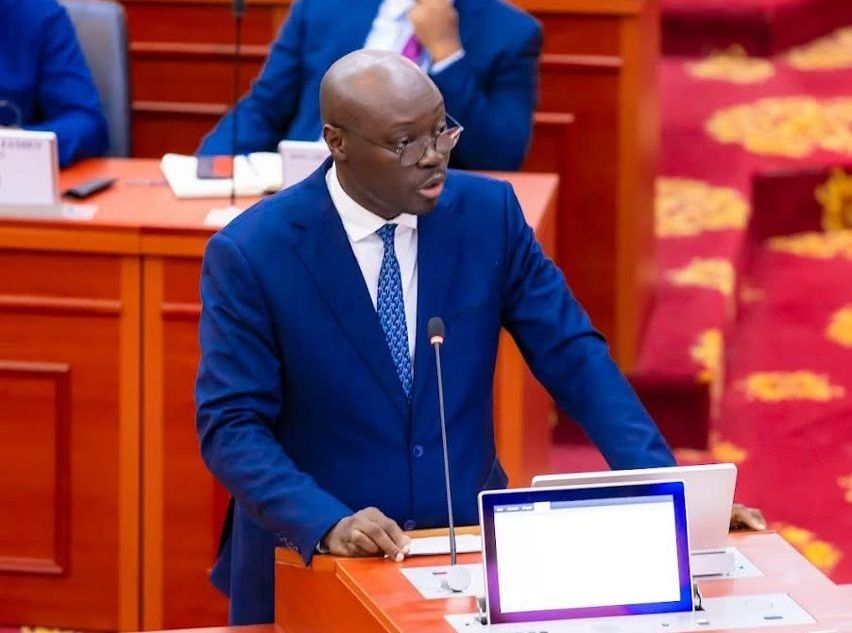
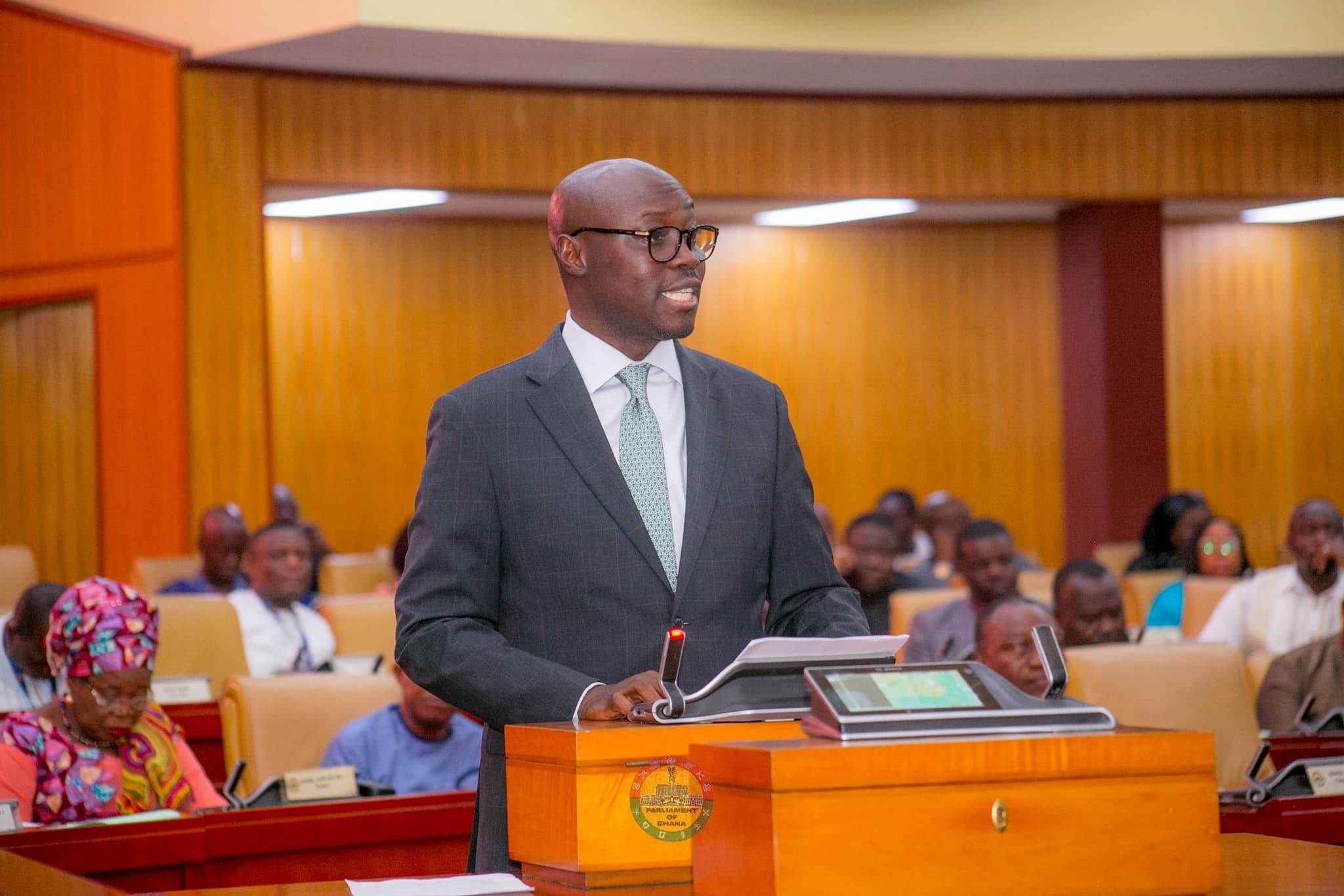
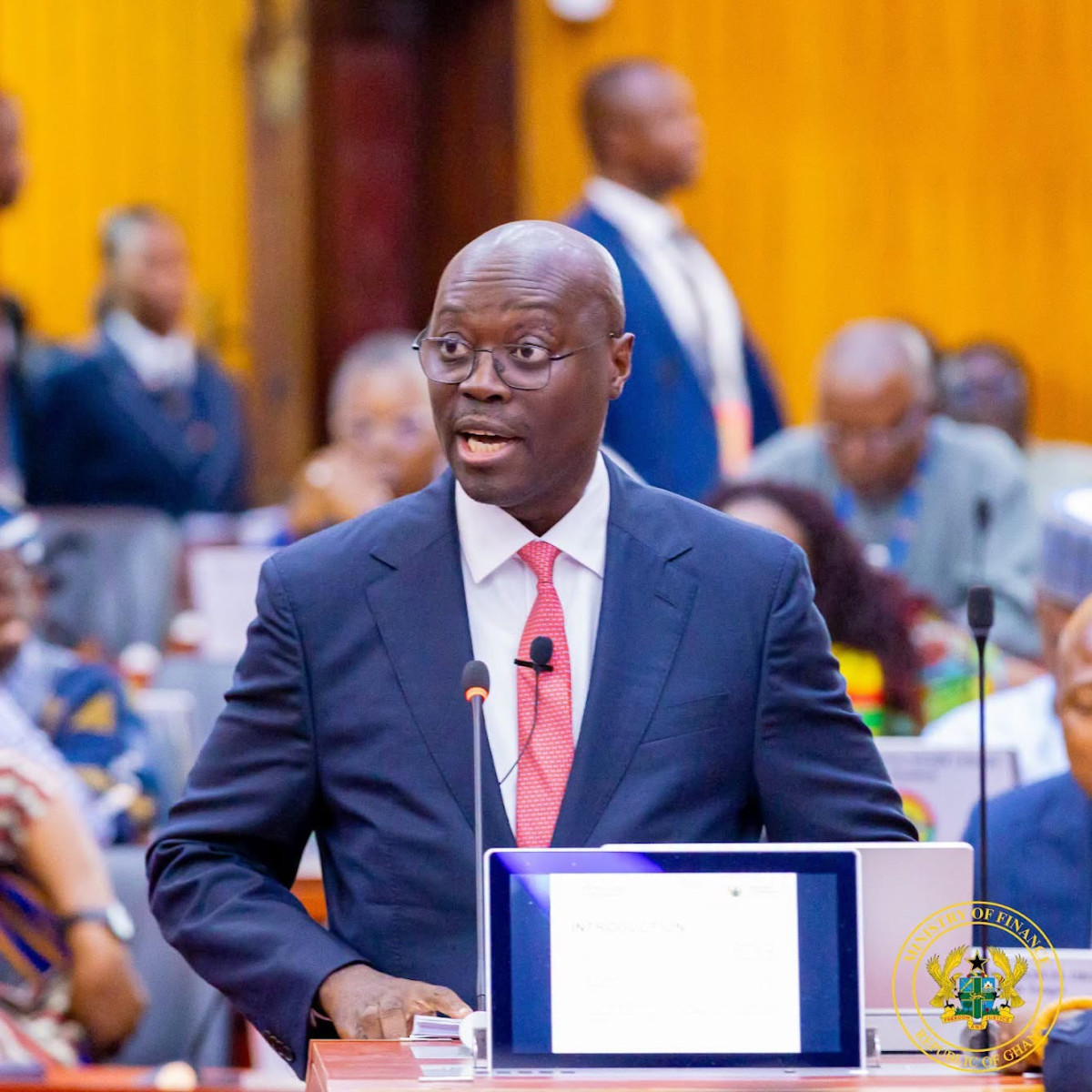
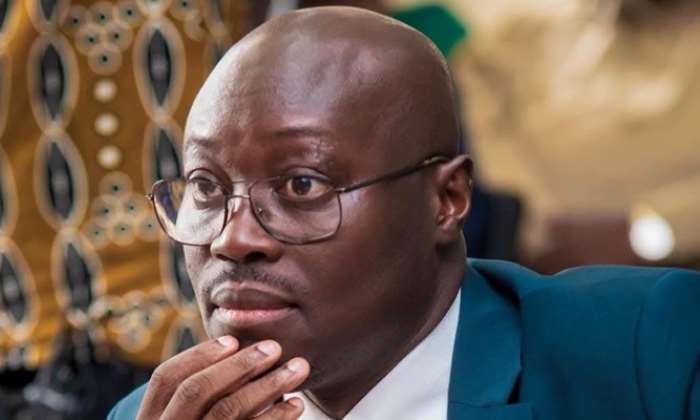
Major reforms coming to electricity distribution. To stop bleeding roughly US$1.4 billion annually, Finance Minister Dr Cassiel Ato Forson announced that the government will deploy two million prepaid meters and implement performance-based private-sector participation in electricity distribution by the end of 2027.
Push toward cheaper power by 2030. By investing in domestic gas processing and a state-owned 1,450 MW power plant, the government aims to eliminate expensive crude oil from power generation and cut generation costs from 16 US cents per kilowatt-hour down to 8 US cents or less, which would eventually reduce tariff pressure on households and factories.
Quick Facts
Ghana’s 2027 Budget allocates GH¢16.1 billion to energy across two buckets: GH¢3.1 billion for the Ministry of Energy and Green Transition’s operations — covering salaries, rural electrification, regulation and clean cooking — and GH¢13.0 billion as an emergency shortfall provision to pay IPPs and fuel suppliers, plus GH¢4.3 billion under legacy arrears clearance.
The shortfall stems from ECG’s roughly 85% collection efficiency per 2026 World Bank assessments, expensive thermal generation, take-or-pay contracts and an annual sector shortfall of about US$1.4 billion in 2025**, with **US$1.7 billion in accumulated IPP and fuel supplier arrears.
The GH¢13.0 billion bailout exceeds the entire 2027 Roads and Highways allocation of GH¢11.3 billion. Reforms include two million prepaid meters and performance-based private-sector participation in distribution by end-2027, alongside a state-owned 1,450 MW thermal plant at Kafodzidzi-Abrobeano targeting a cut in generation costs from 16 to 8 US cents per kWh or less by 2030.
Source: Accra Street Journal
Last Updated on November 12, 2026 by Samuel Kwame Boadu
Disclaimer: Some content on Accra Street Journal may be aggregated, summarized, or edited from third-party sources for informational purposes. Images and media are used under fair use or royalty-free licenses. Accra Street Journal is a subsidiary of SamBoad Publishing Hub under SamBoad Business Group Ltd, registered in Ghana since 2014.
For concerns or inquiries, please visit our Privacy Policy or Contact Page.


Samuel Kwame Boadu is a Ghanaian media entrepreneur and storyteller with a passion for amplifying urban voices and uncovering everyday truths. He is the Editor-in-Chief and Founder of Accra Street Journal, a dynamic digital platform dedicated to capturing the pulse of Ghana’s capital—its people, culture, challenges, business, sports and innovations.
Use the following reference when citing or referencing this article.
Your feedback helps us improve our journalism.
Report an Error
Help us maintain accuracy. Let our editorial team know if you spot an issue in this article.
Report a problem with this article