




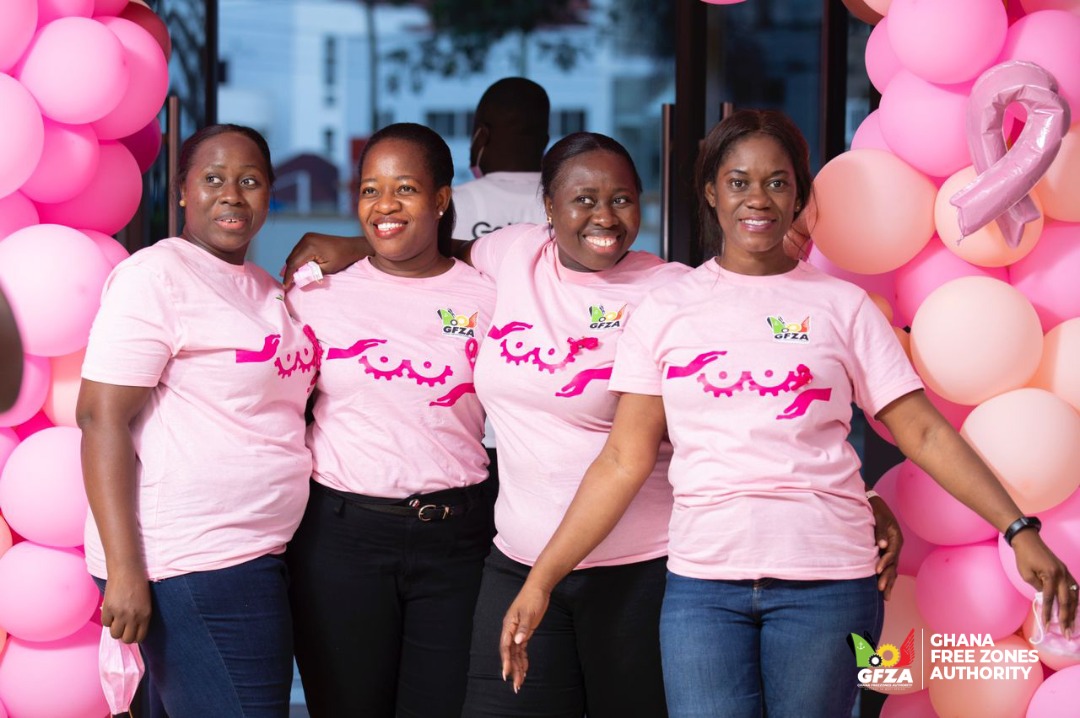
The pink economy is growing. But for Ghanaian businesses, the question is not whether to participate—it is whether the campaign will create lasting health impact or just another round of seasonal visibility.
The Pink Economy Is Real—and Growing
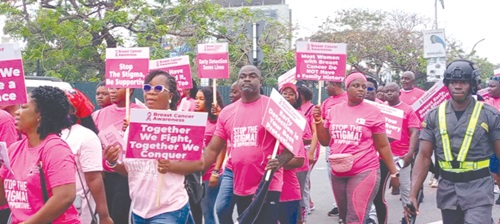
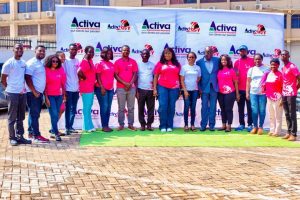
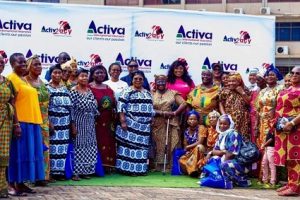
Every October, Ghana’s streets, offices, hospitals, and social media feeds turn pink. Balloons appear at corporate events. Ribbons are pinned to lapels. Businesses redesign their displays, employees wear branded T-shirts, and organisations launch campaigns around breast cancer awareness.

For the suppliers of balloons, ribbons, T-shirts, and event decorations, October brings a predictable seasonal market. The commercial activity is not inherently a problem. Corporate spending can help put breast cancer into public conversation—and when linked to screening, education, or treatment support, it can contribute to the wider response to the disease.
📢 GET A DETAILED ARTICLES + JOBS
Join ASJ's WhatsApp Channel and never miss a post or opportunity.
The concern is whether the symbolism becomes more visible than the substance.
The Stakes: Why This Matters in Ghana
The numbers are sobering. The Ghana Health Service estimates about 4,650 new breast cancer cases and approximately 2,060 deaths annually, while other health-sector reports have cited figures of more than 5,000 cases and 2,695 deaths .
Critically, around 70% of patients seek medical care only at late stages of the disease, which complicates treatment. The average age at diagnosis is 49 .
Ghana’s response is guided by the WHO Global Breast Cancer Initiative, which calls for an annual 2.5% reduction in mortality. Its targets include diagnosing at least 60% of cases at an early stage, completing diagnosis within 60 days of the first visit, and completing treatment for at least 80% of patients .
Deputy Minister of Health Grace Ayensu-Danquah has framed the challenge clearly: “Awareness alone means little if the system cannot deliver timely diagnosis and treatment when patients come forward” .
This is the context in which corporate campaigns operate. The question is whether they help close that gap or simply add noise.
The Gap Between Awareness and Action
Dr Caroline Reindorf Amissah, Deputy Director-General of the Ghana Health Service, has warned against limiting breast health awareness to October. Early detection really provides a good outcome for women all over,” she said, urging that breast health awareness be incorporated into routine health education throughout the year .
The structural barriers are well-documented. The NHIS officially lists coverage for consultation, diagnosis, radiotherapy, and selected chemotherapy medications. But stakeholders report that these benefits are not fully realised in practice. Patients face persistent out-of-pocket payments due to incomplete or delayed reimbursement of screening and diagnostic costs, limited inclusion of costly imaging procedures, and the exclusion of some essential therapies, including immunotherapy.
Rehabilitative care—including breast prostheses after mastectomy—is not covered. Psychological support is often provided free by facilities but not reimbursed by NHIS. Non-medical costs such as transportation, food, and accommodation are excluded entirely .
This is the system that awareness campaigns are meant to feed into. If patients present early but cannot access diagnosis or treatment, the campaign has failed the women it was meant to serve.
What Companies Should Do Before Launching a Campaign
1. Move Beyond Symbolism
A balloon can attract attention, but it cannot diagnose a tumour. A pink shirt can start a conversation, but it cannot provide treatment. A social media post can educate thousands, but it cannot replace an accessible referral system .
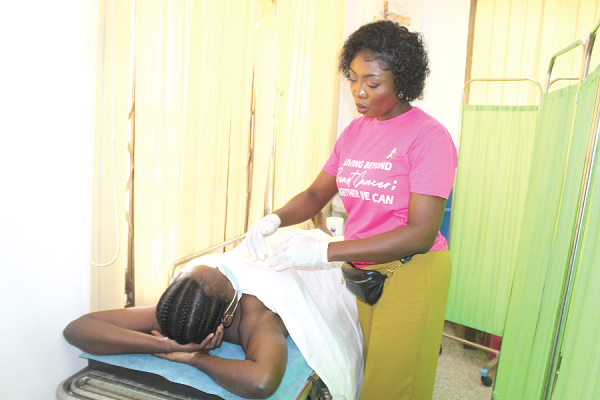
The most impactful corporate campaigns connect awareness to measurable action. This means directing a portion of October budgets towards credible screening partnerships, staff education, transport or referral support, survivor support, and sustained workplace health programmes .
2. Support Screening and Referral
Free breast screening has become a standard feature of corporate Pink October campaigns in Ghana. In 2025, SIC Insurance’s women’s association organised free breast screening throughout October. COCOBOD combined pink-themed activities with free screening at Cocoa Clinic for employees, stakeholders, farmers, and the public. MTN Ghana’s Y’ello Ladies Network raised GH¢100,000 for charities working in breast cancer education and treatment .
These are examples of corporate participation that go beyond decoration. Screening is the bridge between awareness and early detection. But screening alone is not enough. Referral support—helping women navigate the system after an abnormal finding—is equally critical.
3. Address the Cost Barrier
The NHIS now includes breast screening in the Free Primary Healthcare package, announced in 2026 . This is a significant step forward. But stakeholders note that screening tariffs are not yet fully operational, and many women still pay out-of-pocket .
Companies can help by funding screening for employees and community members, or by covering the cost of diagnostic follow-up for women who screen positive but cannot afford further tests.
4. Educate Employees Year-Round
Dr Amissah’s call for year-round awareness is a direct challenge to the seasonal model. Companies that limit breast health education to October miss the opportunity to reach women when it matters—during their annual health check-ups, during workplace wellness programmes, and during the quiet months when awareness fades .
Breast health education should be integrated into routine health and safety programmes, not treated as a once-a-year event.
5. Support Survivors
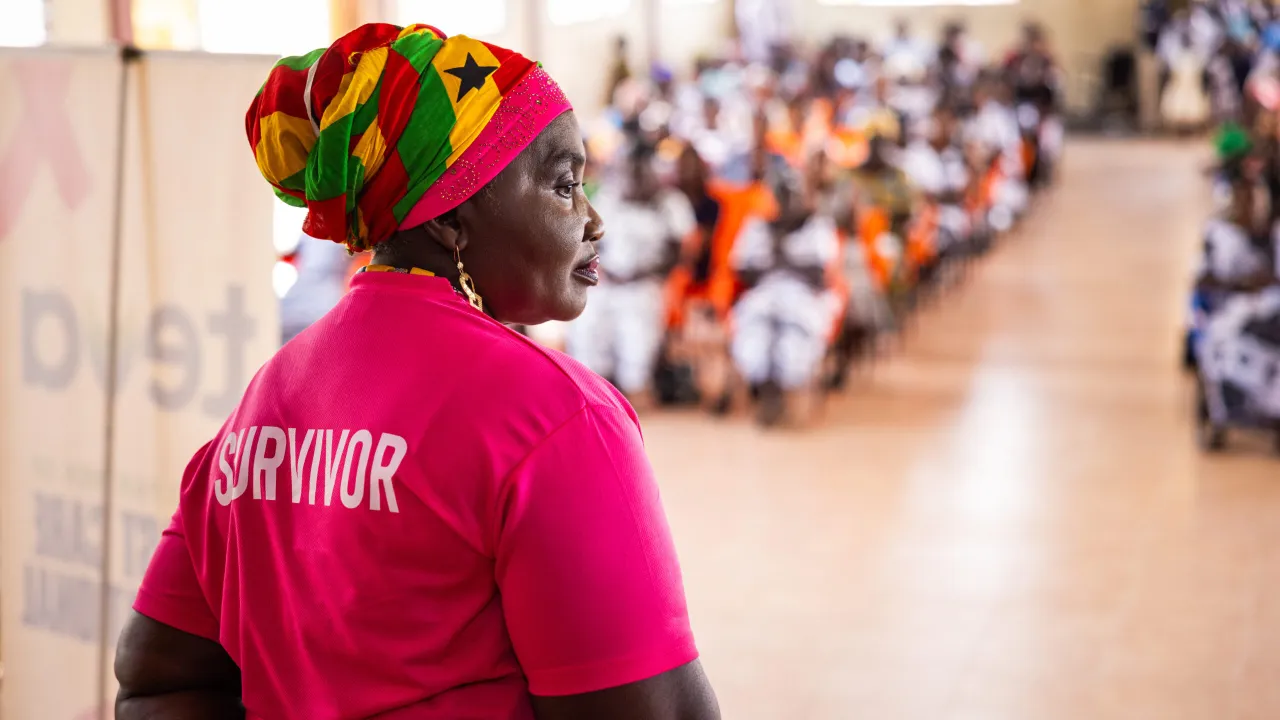
The “pink economy” often focuses on prevention and detection. But women who have been diagnosed and treated face ongoing challenges: rehabilitation, prostheses, psychological support, and economic reintegration. These are areas where NHIS coverage is weakest and where corporate support can make a direct difference.
A campaign that celebrates survivors without supporting them through the recovery journey is incomplete.
The Question Every Company Should Ask
After the balloons are sold, the photographs are taken, and the pink banners are removed, what has actually changed?
Ghana does not need less pink in October. It needs more action behind it. The companies that will be remembered are not the ones that turned their logos pink for a month. They are the ones that funded a screening programme, covered a diagnostic test, supported a survivor, or helped a woman get treated before it was too late.
Quick Facts
| Topic | Details |
|---|---|
| Annual New Cases (GHS Estimate) | ~4,650 |
| Annual Deaths (GHS Estimate) | ~2,060 |
| Late-Stage Presentation | ~70% of patients |
| Average Age at Diagnosis | 49 years |
| WHO GBCI Target | 2.5% annual mortality reduction |
| NHIS Breast Screening | Added to Free Primary Healthcare in 2026 |
| Key Gap | Rehabilitative care and prostheses not covered |
| Corporate Example | MTN raised GH¢100,000 in 2025 |
Frequently Asked Questions
1. What should companies know before launching a Pink October campaign in Ghana?
Companies should move beyond symbolism and focus on measurable action: funding screening, supporting referral and diagnosis, covering cost barriers, educating employees year-round, and supporting survivors. A campaign that ends when November arrives has failed the women it was meant to serve .
2. Is corporate Pink October activity just “pinkwashing”?
It can be. The concern is whether symbolism becomes more visible than substance. A balloon cannot diagnose a tumour. A pink shirt cannot provide treatment. The question is whether the campaign creates lasting health impact
3. What are the best practices for a corporate breast cancer campaign in Ghana?
Direct a portion of October budgets towards credible screening partnerships, staff education, transport or referral support, survivor support, and sustained workplace health programmes. Connect awareness to measurable action .
4. Does the NHIS cover breast cancer screening in Ghana?
Yes. Breast screening is now part of the benefit package under the Free Primary Healthcare policy, announced in 2026. However, stakeholders note that implementation gaps remain, and some women still pay out-of-pocke
5. What are the biggest gaps in breast cancer care in Ghana?
Persistent out-of-pocket payments, delayed NHIS reimbursement, limited inclusion of costly imaging, exclusion of immunotherapy, and lack of coverage for rehabilitative care and prostheses are the main gap
6. How many new breast cancer cases are recorded in Ghana annually?
The Ghana Health Service estimates about 4,650 new cases and approximately 2,060 deaths annually. Other reports have cited figures of more than 5,000 cases and 2,695 death
7. What is the theme of Ghana’s 2026 Breast Cancer Awareness Month?
The theme is “Early Action, Better Outcomes,” with emphasis on awareness, early detection, referral, and access to quality care .
8. Can companies partner with the Ghana Health Service for Pink October?
Yes. The Ghana Health Service is implementing a breast cancer project to improve clinical breast examination, patient navigation, education, and referral. A project led by Jhpiego has screened more than 80,000 people and navigated more than 1,900 for further diagnosis .
9. What should a company do after October ends?
Breast health awareness should be incorporated into routine health education throughout the year. Companies can integrate breast health into workplace wellness programmes, annual health checks, and ongoing employee education .
10. How can companies support survivors, not just awareness?
Companies can fund rehabilitative care, breast prostheses, psychological support, and economic reintegration programmes for survivors. These are areas where NHIS coverage is weakest and where corporate support can make a direct difference
Source: Accra Street Journal
Last Updated on October 4, 2026 by Samuel Kwame Boadu
Disclaimer: Some content on Accra Street Journal may be aggregated, summarized, or edited from third-party sources for informational purposes. Images and media are used under fair use or royalty-free licenses. Accra Street Journal is a subsidiary of SamBoad Publishing Hub under SamBoad Business Group Ltd, registered in Ghana since 2014.
For concerns or inquiries, please visit our Privacy Policy or Contact Page.

Samuel Kwame Boadu is a Ghanaian media entrepreneur and storyteller with a passion for amplifying urban voices and uncovering everyday truths. He is the Editor-in-Chief and Founder of Accra Street Journal, a dynamic digital platform dedicated to capturing the pulse of Ghana’s capital—its people, culture, challenges, business, sports and innovations.